










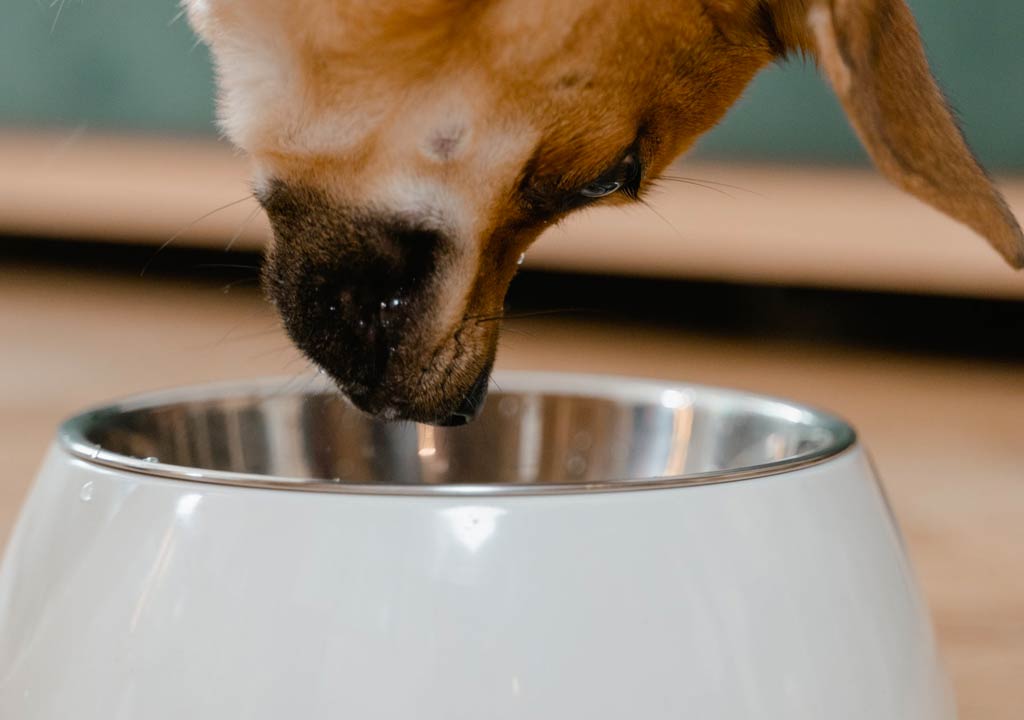
Dog Bowls: Bowl Care & Cleaning Essentials

Essential Dog Bowl Care and Cleaning Routine
Every dog owner wants their canine companion to stay healthy, happy, and well-nourished. Yet one small but powerful detail often gets overlooked: the care and cleaning of your dog's bowls. The bowl you use, how you clean it, and how quickly you respond to wear and tear can affect your dog's digestion, dental health, and overall wellbeing. In this guide, you'll discover a practical, science-informed approach to choosing bowls, preventing contamination, and creating a reliable cleaning routine you can stick with-no matter how busy life gets. We'll break down materials, cleaning methods, sanitation schedules, and common mistakes, then give you a simple, repeatable 7-step routine you can implement today.
Understanding Your Dog Bowl: Materials and Their Implications
The first step toward responsible bowl care is understanding the materials from which bowls are made. Different materials have distinct advantages and drawbacks in terms of safety, durability, ease of cleaning, and how they interact with food and water.
Stainless steel is the gold standard in many households. It's durable, non-porous, resistant to staining, and generally dishwasher-safe. Stainless steel doesn't harbor odors or absorb flavors, which makes it easier to keep clean and maintain. When you choose stainless steel, look for "food-grade" labeling and a bowl that has a narrow, well-fitting base to prevent sliding. One caveat is that stainless steel bowls can develop rust if the surface is damaged or if water sits in the ring around the base. Dry the bowl thoroughly after washing and periodically inspect for scratches or pitting, which can harbor bacteria if the surface is compromised.
Ceramic and enamel bowls are heavy, attractive, and non-porous, which means they resist absorption of odors and stains. However, ceramic and enamel bowls can chip or crack if dropped, and chips create tiny crevices that are difficult to clean and can harbor bacteria. Cracks also compromise the bowl's sanitary integrity, and pests or mold could take advantage of those openings in some environments. If you choose ceramic, inspect the glaze for chips before each use and replace bowls with visible cracks. Ceramic bowls with painted designs should be inspected carefully, as paint can wear off in small flakes that mix with food.
Plastic bowls are lightweight and inexpensive, making them popular for travel or households with multiple pets. However, plastic is porous and prone to scratching, which creates microchannels where bacteria can hide. If you use plastic bowls, replace them at the first sign of deep scratches or discoloration. Some plastic bowls are labeled as "low-density" or "high-density" plastics; higher-density plastics tend to resist scratches better and are easier to sanitize. Regardless of type, never use abrasive cleaners that leave scratches, and consider rotating plastics out of regular use to reduce bacterial buildup in scratched surfaces.
Silicone bowls are flexible, easy to store, and generally dishwasher-safe. They're a good option for travel or for households with limited kitchen space. Silicone is non-porous and easy to clean, but some silicone bowls develop a faint odor if not cleaned promptly after meals. If odor persists, a thorough cleaning and a sanitizing routine can help. Silicone mats or sleeves under bowls can also reduce sliding and noise but should be cleaned along with the bowl to prevent grime buildup around the rim and underneath the mat.
Tough truths about materials: choose the material that aligns with your dog's temperament (chewer, spiller, or gentle eater), your cleaning routine, and your willingness to inspect and replace bowls as they age. Regardless of the material, the best practice is to treat every bowl as a surface that must be kept clean, dry, and free of cracks where bacteria can multiply.
Choosing the Right Bowl for Your Dog
Beyond the material, several practical considerations influence long-term cleanliness and your dog's comfort during meals.
Size and capacity should match your dog's head size and eating speed. A bowl that's too small can cause spills that quickly become messy and breeding grounds for bacteria around the feeding area. A bowl that's too large can tempt overeating in some dogs or become unwieldy for puppies. Use a bowl with a capacity that comfortably accommodates a single meal plus a small margin for extra water during hot days or after exercise.
Non-slip bases prevent tipping and splashing, which makes cleaning easier and reduces the chance of food waste or water everywhere. A rubberized ring on the bottom or a weighted base can keep the bowl stable on tile or hardwood floors. If you have a curious puppy, consider a raised stand with a non-slip surface to reduce mess while the dog learns to eat calmly. Just be mindful that raised bowls don't suit every dog; excessive height can contribute to bloating in some canines, so consult with a veterinarian if you're unsure.
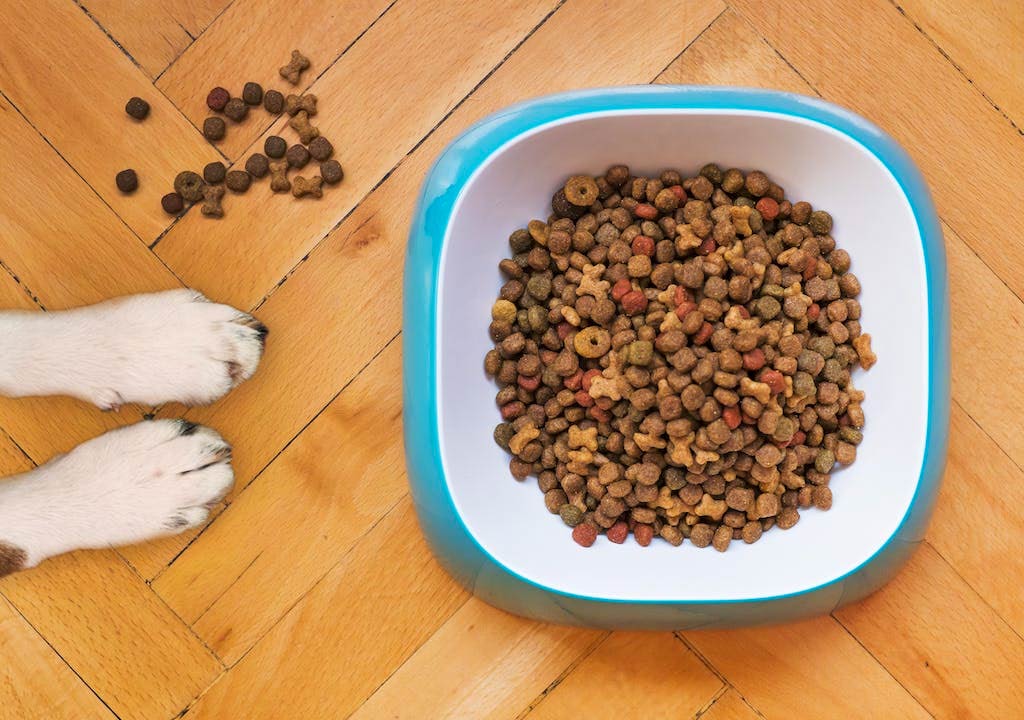
Food type compatibility matters too. If your dog eats raw meat, the bowl routine may require more frequent washing with hot water and a sanitizer. If you feed dry kibble, the dry dust around the rim can accumulate; a quick rinse before refilling helps keep things hygienic. If you use grain-free or specialty diets, the moisture content can affect how quickly residues cling to the bowl's interior. Non-porous materials are typically best for high-fat or protein-rich diets because they're easier to sanitize thoroughly.
Travel and convenience often pushes owners toward collapsible or silicone travel bowls. These are great for walks, car trips, and vet visits, but they still require a routine. Clean and dry them after use, and dry thoroughly to prevent mold growth in damp crevices uncommon in rigid bowls. If you rotate bowls during travel, make a note to replace any worn or degraded components before you head back home.
Daily Care: Quick Habits for Start of Day
Consistency is the secret to preventing contamination and keeping your dog's meals safe and enjoyable. A few quick daily habits can dramatically improve cleanliness without taking up much of your time.
Rinse after meals if you don't plan to wash immediately. A quick rinse gets rid of loose kibble or wet food that can begin to sour and attract bacteria. This is especially helpful in hot weather or if your dog tends to build a crust around the rim.
Check for residues and odors. If the bowl smells off or has stubborn residue that won't wipe away, it's time for a complete wash. Don't rely on air-drying to sanitize; bacteria multiply quickly in warm, damp environments.
Inspect for wear and tear. A daily visual check helps you catch chips, cracks, or deep scratches early. If you find any rough patches or structural damage, replace the bowl promptly to prevent contamination and potential injury from sharp edges.
Clean the exterior area around the bowl as part of your daily routine. Food spills and splashes can leave sticky film on the floor or mat. Wipe the stand, mat, or countertop with a mild cleaner or a simple wipe-down to keep the entire feeding zone sanitary.
The Cleaning Routine: From Daily to Deep Clean
A robust cleaning routine comprises multiple layers: routine daily washing, plus deeper sanitizing on a regular schedule. Here's a practical framework you can adapt to your household rhythm.
Daily washing (warm water and dish soap) is the foundation of good bowl hygiene. After each meal or at least once per day, wash the bowl with mild dish soap and warm water. Use a non-abrasive sponge or cloth to scrub the interior and exterior surfaces, paying attention to the rim and any grooves where food particles can lodge. Rinse thoroughly to remove all soap residues, which can upset your dog's stomach if ingested. Dry with a clean towel or let air-dry on a rack before the next meal.
Rinse and dry before refilling to prevent cross-contamination between meals. This is especially important if you mix wet and dry foods in the same bowl or if you have multiple pets sharing a bowl line. Ensure the bowl is completely dry before adding fresh food or water; moisture trapped in crevices can accelerate bacterial growth.
Weekly sanitation (hot water, soap, and sanitizers as needed) goes beyond routine washing to reduce microbial load. A thorough wipe-down with hot water and dish soap, followed by a sanitizing step, ensures a deeper clean. For most households, a weekly soak in a sanitizing solution, followed by thorough rinsing, is sufficient to keep bacteria at bay.
Deep-clean options for different materials:
- Stainless steel: You can also run stainless steel bowls through the dishwasher on a hot cycle if the manufacturer indicates it's safe. Alternatively, soak in hot water with a splash of white vinegar (about 1 cup per gallon of water) for 5-10 minutes, then scrub and rinse well. Dry immediately to prevent water spots and rust at the rim.
- Ceramic and enamel: Dishwasher use is often acceptable for stoneware or porcelain, but verify the manufacturer's guidance. If washing by hand, use a gentle scrub with a non-abrasive sponge. After washing, inspect for chips or cracks and discard if any are present. Dry thoroughly.
- Plastic: Because plastics scratch easily, consider hand-washing with a non-abrasive sponge. If you use a dishwasher, place plastics on the top rack away from high heat. Replace plastics at the first sign of deep scratches or discoloration. A weekly sanitizing soak is helpful to remove deep-set odors.
- Silicone: Dishwasher-safe in many cases; if hand-washing, use warm water and mild soap. Ensure it dries completely to prevent mold in folds and crevices.
Sanitizing Solutions: Safe and Effective Options
Sanitizing is not strictly necessary every day, but it's a valuable tool when you're dealing with a dog that has a sensitive stomach, a recent stomach upset, or a pet that eats or drinks in a high-risk environment (for example, kennels, dog parks, or households with small children). Here are practical, pet-safe sanitizing options you can use at home.
Dish soap and hot water remain the baseline. A vigorous wash with a soft sponge and hot water removes fats, proteins, and starches that feed bacteria.
White vinegar solution (1:1 water to white vinegar) is a natural sanitizer that helps break down greasy residues and neutralize odors. Soak for 5-10 minutes, then rinse thoroughly with clean water. Note that vinegar should be rinsed away completely, as some dogs may dislike the scent if left behind.
Hydrogen peroxide (3% solution) can be used as a sanitizing rinse in some cases. Use sparingly, rinse well, and ensure no residue remains before the dog eats again. Do not mix hydrogen peroxide with household cleaners, as dangerous reactions can occur.
Bleach solution (unscented household bleach at a safe dilution) is a strong sanitizer. A common protocol is 1 tablespoon of bleach per gallon of water (1:32) for a 5-10 minute soak, followed by thorough rinsing with clean water until there is no bleach odor. Bleach is effective but can be harsh on some materials and must be completely rinsed away. Use this method sparingly and never mix with ammonia or other cleaners.
Note on safety: Always rinse bowls thoroughly after any chemical sanitizing, and let bowls air-dry completely before reusing. Do not allow pets to lick bowls during or immediately after sanitizing. If your dog has a history of sensitivities, consult your veterinarian before introducing new sanitizing methods.
Special Considerations: Dental Health and Bowl Hygiene
Hygienic bowls contribute to your dog's dental health and comfort during meals. Bacteria on dirty bowls can backtrack into the mouth, especially if your dog tends to lick around the rim or chew on pieces of food lodged in corners. Here are practical tips that dovetail bowl care with dental health:
Rinse and wipe after every meal to minimize residue that could become plaque. Quick rinsing reduces the lag time between meals where bacteria might thrive.
Use non-porous materials to inhibit bacterial growth. Stainless steel and ceramic are excellent for minimizing bacterial colonization compared to plastic, which can harbor more bacteria in scratches and microcrevices.
Regular inspection for cracks and chips protects your dog from ingesting tiny fragments of a damaged bowl and reduces microhabitats for bacteria. Replace damaged bowls promptly.
Occasional rotation of bowls can help prevent overuse and wear in one bowl, reducing the chance of hidden residues being overlooked. If you rotate daily between two bowls, treat each as a separate cleaning cycle to maintain hygiene standards.
Seasonal and Environmental Tips: Hygiene Beyond the Bowl
Cleanliness isn't restricted to the bowl itself. The area around the feeding station, water bowl placement, and even how you store bowls when not in use all influence overall hygiene.
Clean the feeding mat or surface where the bowls sit. Spilled water, kibble crumbs, and food residues can accumulate and breed bacteria if left unaddressed. Wipe down with a mild soap solution and allow to dry fully.
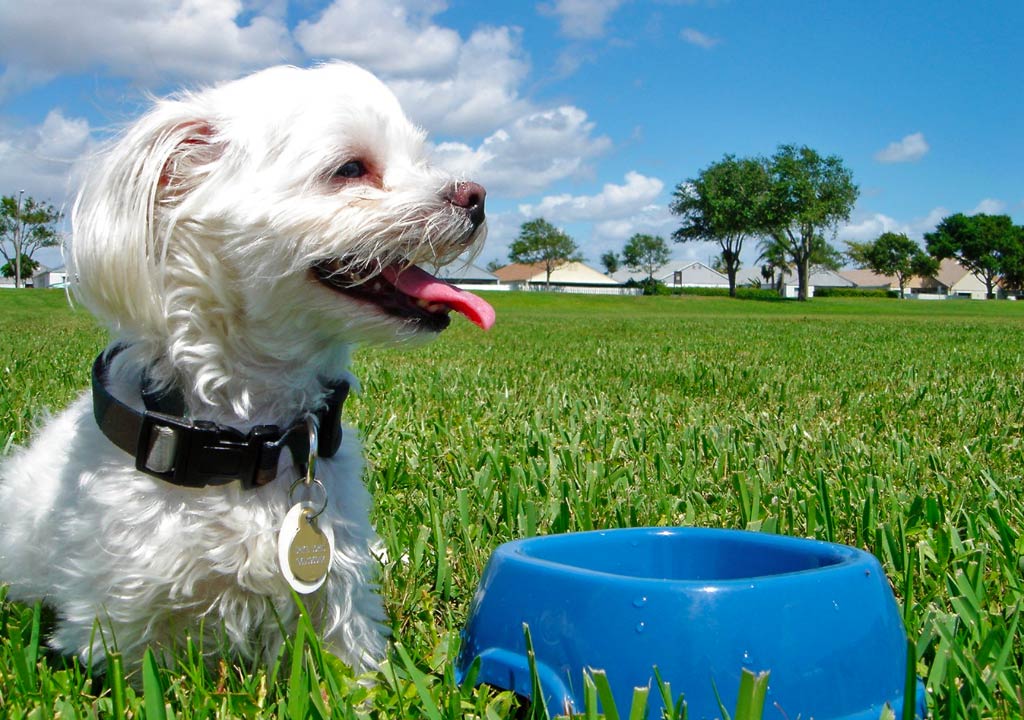
Keep water fresh on hot days. If water sits for hours, it can become stagnant and a breeding ground for bacteria. Replace water at least twice daily in hot weather or after exercise.
Place bowls in a low-traffic, easy-to-clean area. A kitchen or utility room corner with a washable floor surface simplifies maintenance. If you must place bowls on carpet, consider a removable, washable mat that catches spills and is easy to clean.
Travel considerations. When you're away from home, carry a simple travel kit: a collapsible bowl, a small bottle of mild dish soap, wipes, and a zip-top bag for storing dirty bowls until you can wash them properly. Prioritize bowls that are easy to sanitize in transit and that don't require extensive drying time.
Common Mistakes and How to Avoid Them
Even the most diligent owners slip up occasionally. Here are common bowl-care mistakes and how to avoid them, so you don't undermine your hygiene efforts.
Using the same bowl for raw and cooked foods without proper cleaning. Raw meat carries higher bacterial loads. Always dedicate separate bowls for raw foods if possible, or thoroughly sanitize between uses with a hot wash and sanitizing rinse.
Leaving bowls soaking in dirty water. It's easy to think "the longer, the cleaner," but soaking can create a humid, bacteria-friendly environment. Clean and rinse promptly, and avoid leaving water in contact with food residues for extended periods.
Ignoring visible damage. Chips, cracks, and deep scratches are not just cosmetic issues; they're micro-havens for bacteria. Replace damaged bowls promptly to maintain hygiene integrity.
Relying solely on dishwashers. While dishwashers are convenient, not all bowls are dishwasher-safe, and high heat can warp certain plastics or crack delicate ceramic glazes. Always check manufacturer guidelines and, if in doubt, wash by hand using hot water and soap.
Neglecting the feeding area. A clean bowl is essential, but if the surrounding area is dirty, your dog is exposed to bacteria again. Regularly clean the feeding mat, floor, and nearby surfaces to close the hygiene loop.
Putting It All Together: A Simple 7-Step Routine
Here's a practical, repeatable routine you can implement right away. Adapt the frequency to your dog's needs, your household, and the material of your bowls.
1) Pick the right bowl for your dog's size, temperament, and chewing habits. Ensure it has a non-slip base and is appropriate for your dog's diet. Inspect for cracks or chips.
2) After each meal, quickly rinse the bowl to remove loose food particles and prevent lingering odors. Wipe the exterior and the stand or mat if necessary.
3) Daily wash with warm water and a mild dish soap using a non-abrasive sponge. Scrub the interior, rim, and exterior. Rinse thoroughly and dry with a clean towel or air-dry on a rack.
4) Weekly, perform a deeper sanitation. Soak in a warm, oilless solution (such as hot water with a splash of white vinegar) for 5-10 minutes, then scrub again and rinse. Dry completely before refilling.
5) If you use plastic bowls, consider rotating them out after a few months to prevent deep scratching. Switch to stainless steel or ceramic when possible and maintain a strict cleaning schedule for plastics.
6) If you prefer chemical sanitizers, use safe options: a brief 5-10 minute soak in a diluted bleach solution (1 tablespoon per gallon of water) or a 1:1 white vinegar solution, followed by thorough rinsing. Do not leave any chemical residues behind, and ensure the area is well-ventilated during sanitizing.
7) Regularly inspect the entire feeding area. Clean the mat or surface beneath the bowls, wipe down the cabinets or shelves where bowls are stored, and store bowls in a dry, clean place to prevent mold and mildew buildup.
Final Thoughts: Make Bowl Care a Habit
Consistency matters more than perfection. A simple, repeatable bowl-care routine reduces the risk of contamination, supports your dog's digestion, and makes mealtimes more pleasant for both of you. By choosing the right bowl materials, maintaining a straightforward cleaning rhythm, and paying attention to wear and tear, you'll create a healthier feeding environment with minimal daily effort.
Here are a few quick motivation boosters to keep you on track:
- Set a reminder on your phone for a weekly sanitizing session. It's easy to forget, but a reminder helps you stay proactive rather than reactive.
- Keep a dedicated bowl-cleaning kit in your kitchen: a bottle of mild dish soap, a soft sponge, a dent-resistant brush, a clean towel, and a small bottle of an approved sanitizer. Having everything in one place reduces friction.
- Rotate bowl materials if you notice faster wear in one bowl. This helps you maintain hygiene standards and keep the routine fresh.
- If your dog has a sensitive stomach or a recent illness, consult your veterinarian about any adjustments to bowl cleaning frequency, sanitizing agents, or bowl materials to minimize irritation.
Conclusion
Your dog's bowl is more than just a vessel for food and water-it's a hygienic interface between your pet's daily nourishment and your home environment. By understanding the materials, making smart choices about the right bowl for your dog, and following a clear, repeatable cleaning routine, you protect your dog from bacteria, reduce odors, and contribute to better digestion and comfort during meals. The routine doesn't have to be complicated. A few purposeful habits-regular washing, weekly sanitizing, careful inspection, and mindful maintenance of the feeding area-will deliver a clean, safe feeding environment that supports your dog's health year after year. Start today with one bowl, one simple routine, and watch how even small changes can add up to big benefits for your furry friend.
LIKED THIS ARTICLE? SHARE IT: