











How to Spot Unsafe Bowls: Cracks, Microplastics, and Durability Checks

Protect Your Dog's Teeth: Bowl Design and Dental Health Benefits
Every dog owner knows that a wagging tail and a sunny disposition can brighten a whole day. But behind that cheerful exterior lies a set of vital health needs that deserve steady attention-especially dental health. Canine dental disease is incredibly common, yet it's also highly preventable with a combination of good daily habits, regular veterinary care, and smart choices at mealtime. One often-overlooked area is the design of your dog's bowl. The right bowl can support healthier eating, reduce stress around feeding, and contribute to overall oral health when combined with brushing, dental chews, and routine checkups. In this article we'll explore how bowl design relates to dental health, what features to look for, and practical steps you can take to protect your dog's teeth without turning mealtime into a chore.
Understanding Canine Dental Health
First, it helps to understand what dental health means for dogs. Just like humans, dogs accumulate plaque-the sticky film of bacteria that forms on teeth. If plaque isn't regularly removed, it hardens into tartar, which can irritate the gums, cause gingivitis, and eventually lead to periodontal disease. Left unchecked, dental disease can contribute to tooth loss, infections, and systemic issues that affect the heart, liver, and kidneys. Regular brushing is the most effective way to slow plaque buildup, but feeding practices and bowl design can influence exposure to bacteria and the way food interacts with the teeth and gums.
Dogs don't brush their own teeth; they rely on a combination of eating habits, oral hygiene routines, and veterinary care to keep their smile healthy. This means that a holistic approach-one that includes an appropriate bowl design, high-quality dental diets or chews, and consistent brushing-offers the best protection. It's also important to note that some breeds are more prone to dental issues than others, and age can be a factor. For senior dogs or those with a history of dental problems, coordinating with a veterinarian on a dental care plan is essential.
Common Causes of Dental Issues in Dogs
Several factors contribute to dental disease in dogs, and bowl design is just one small piece of the puzzle. Here are the main culprits to consider in the broader context of pet dental health:
- Age and genetics: Some breeds are predisposed to crowded or misaligned teeth, which can make cleaning more difficult and encourage plaque buildup.
- Diet and texture: Soft, ultra-processed foods can stick to teeth more easily than crunchy, fiber-rich foods that help scrub surfaces. That said, many veterinarians advise a balanced diet and avoid relying solely on chews or "dental" foods without brushing.
- Bacteria and hygiene: Bacteria accumulate in the mouth and on feeding surfaces. If bowls are not cleaned regularly or if the dog frequently drinks from dirty water bowls, the risk of bacterial growth increases.
- Inadequate oral care routine: Without regular brushing or professional dental care, plaque can accumulate quickly, leading to tartar formation and gum inflammation.
- Behavioral and feeding factors: Some dogs gulp food quickly, which can cause digestive issues and make it harder for the mouth to "reset" after meals. Slow, mindful eating can help with digestion and overall comfort, though it's not a substitute for brushing.
How Bowl Design Impacts Dental Health: The Indirect Benefits
While no bowl design can replace brushing and professional dental care, certain features can indirectly influence oral health by promoting safer, healthier eating habits and easier maintenance. Here are the main ways bowl design can help-not by cleaning teeth on its own, but by supporting a dental-friendly routine.
- Slower eating and reduced gulping: Slow-feeder bowls and maze-style bowls encourage dogs to take smaller bites and spend more time on their meals. Slower eating improves digestion and reduces the risk of choking or swallowing large food chunks. While this doesn't scrub teeth by itself, it creates opportunities for more thorough chewing and increased saliva production, which can help rinse away food particles and dilute acids in the mouth after a meal.
- Reduced drool and mess: Bowls with secure bases and non-slip bottoms minimize spillage and keep the feeding area clean. A cleaner mouth and environment can translate to fewer bacteria harbored around the mouth and on surrounding surfaces, supporting overall oral hygiene between brushings.
- Proper chewing surfaces: Some bowl designs promote variants in how a dog approaches the food, which can influence the way they chew before swallowing. This can affect how long pieces are in contact with the teeth and gums, potentially aiding in mechanical disruption of plaque along the chewing surfaces. However, this effect is modest compared to brushing and professional cleaning.
- Material hygiene and ease of cleaning: Bowls that are easy to clean and resistant to bacteria better prevent biofilm buildup. Stainless steel and certain ceramic bowls can be cleaned thoroughly after each use, reducing the exposure of teeth to bacteria that gather on a dirty bowl. Plastic bowls, if scratched or worn, can harbor bacteria more easily and may require more frequent replacement.
- Ergonomics and ease of use: Raised or ergonomically designed bowls may reduce strain for dogs with arthritis or neck issues, encouraging consistent, regular feeding and better overall care. When a pet is comfortable eating, they're more likely to maintain a routine that includes dental care as part of daily life.
Types of Dog Bowls and Their Dental Health Considerations
Your options vary widely when it comes to bowl design. Here's a practical guide to popular bowl types and how they relate to dental health and daily care. Remember: the best choice balances hygiene, safety, ease of cleaning, and the broader dental care plan you're following with your veterinarian.
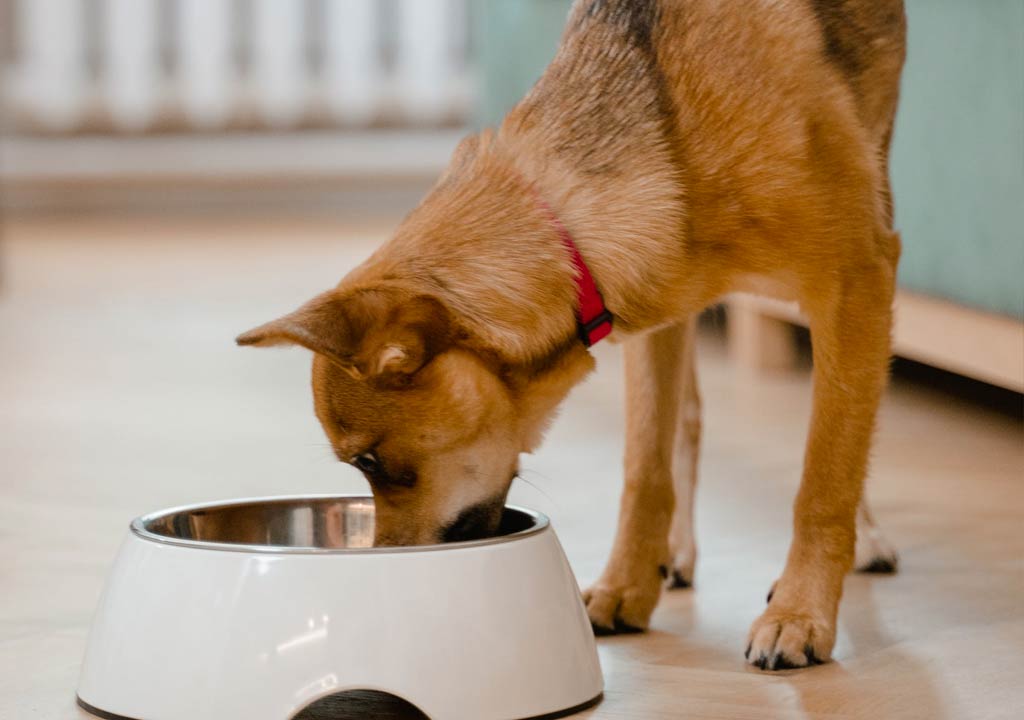
- Stainless steel bowls: Highly recommended for durability and hygiene. Stainless steel is non-porous, dishwasher-safe, and easy to sanitize. It resists scratching better than plastic, which reduces the likelihood that bacteria will hide in tiny grooves. For dental health, the primary benefit is straightforward: easy cleaning means a cleaner feeding surface and a lower risk of contaminating the mouth with bacteria when hands-on hygiene matters. If you choose a steel bowl, look for a well-fitting rim, a non-slip base, and a size appropriate for your dog's size and eating pace.
- Ceramic bowls: Also a good option, especially for dogs that are gentle with their bowls (less chance of chewing or scratching the surface). Ceramic tends to be smooth and easy to clean, but it can chip if dropped, which may leave micro-cracks that harbor bacteria. If you select ceramic, ensure no cracks or glaze pitting, and consider a non-slip ring beneath the bowl to prevent sliding during a meal.
- Plastic bowls: Inexpensive and lightweight, but not ideal for long-term dental health. Plastic can develop scratches and grooves that harbor bacteria and can be harder to sanitize thoroughly. If you already use plastic bowls, consider upgrading after a period or rotating materials to reduce wear and bacterial buildup. If you must use plastic, wash with hot water and a mild detergent and replace when you see scratches or discoloration.
- Slow-feeder bowls (maze or interlocking patterns): Useful for dogs that eat too quickly. These bowls promote a more deliberate feeding style, which can improve digestion and reduce gulping. The indirect dental benefit is that longer, more controlled chewing can contribute to better saliva distribution and a longer pause between bites, allowing the mouth to re-acidify and reduce sudden acidity spikes. However, the main dental benefit remains brushing and dental chews-bowls alone don't clean teeth.
- Elevated or raised bowls: Helpful for large dogs or those with neck or back issues, and can reduce strain during feeding. Ergonomic benefits are real, yet the dental impact is indirect. If an elevated bowl reduces stress and encourages consistent meals, it supports overall health and makes it easier to establish a routine that includes dental care as part of daily life. Avoid overly high setups that may cause spillage or discomfort for shorter dogs or those with back issues in a different way.
- Collapsible or travel bowls: Great for pet owners on the go. Cleaning and maintenance can be more challenging with travel bowls, so it's important to choose a material that's leak-proof and easy to sanitize. While travel bowls may be convenient, ensure you have a plan to clean them thoroughly between uses to prevent bacteria buildup that could affect oral health.
Choosing the Right Bowl: A Practical Guide
Choosing a bowl isn't just about affordability or aesthetics-it's about aligning the bowl with your dog's needs and your dental care plan. Here are practical steps to help you decide.
- Assess your dog's eating speed: If your dog gulps food, a slow-feeder bowl can promote longer eating times and better chewing. This can indirectly support dental health by increasing saliva production and reducing the likelihood of swallowing large chunks. If your dog eats slowly and calmly, you may prioritize hygiene and durability more than speed control.
- Consider dental care routines: If you're committed to daily brushing and regular dental chews, your bowl choice should emphasize ease of cleaning and hygiene. Stainless steel or well-sealed ceramic with smooth surfaces is typically easiest to keep clean. If you're hesitant about brushing, you may want to discuss with your vet whether a dental diet or professional cleaning is more appropriate for your dog's needs alongside bowl choices.
- Match size to mouth and neck: A bowl that's too deep may be hard for a small dog to reach or cause neck strain; a bowl that's too shallow may require your dog to lean in awkwardly, potentially causing spills and mess that invite bacteria. Choose a bowl depth and diameter appropriate for your dog's size and feeding posture.
- Look for stability and safety: A non-slip base helps prevent the bowl from sliding and spilling, which reduces the chance that food sits on the floor and the kitchen area gets contaminated. If you have a curious or strong chewer, ensure the bowl material is resistant to chewing and that the bowl cannot be easily swallowed or broken into sharp pieces.
- Plan for maintenance: Consider how easy it will be to clean the bowl after meals. If you're using a dishwasher, make sure the bowl is dishwasher-safe. If you clean by hand, choose a bowl with a smooth exterior and interior to prevent bacteria from hiding in crevices.
Cleaning, Hygiene, and Maintenance: Protecting Oral Health Beyond the Bowl
Bowl design is part of the hygiene equation, but the larger practice of cleaning and dental care is what truly protects teeth. Here are hygiene best practices linked to bowl use and overall oral health.
- Daily brushing: Brushing remains the most effective way to control plaque. Use a dog-friendly toothpaste and a brush designed for canine mouths. Start slowly, reward with treats, and aim for short daily sessions. If your dog resists, try a dental wipe or a finger brush to build familiarity before transitioning to a full brush.
- Regular veterinary checkups: Many dogs develop dental disease gradually. Professional cleanings and examinations provide a level of care that at-home routines cannot fully replicate. Your vet can also guide you on whether to recommend dental diets, chews, or medicated mouthwashes for your dog's specific needs.
- Dental chews and diets as complements: Dental chews can help reduce plaque and tartar buildup when used as part of a regular regimen. Look for products approved by veterinary dental associations and select sizes that match your dog's mouth. Bone-in chews or hard chews may pose a choking risk for some dogs; always supervise and choose appropriate textures for safety.
- Proper hydration: Ensure your dog has access to fresh water. Water helps wash away food particles and supports saliva production, which naturally contributes to oral cleaning between brushings.
- Routine cleaning and sanitation of bowls: Clean bowls after every meal. Use hot water and dish soap or run stainless steel bowls through the dishwasher if possible. Check for cracks, chips, or scratches that can harbor bacteria. Replace bowls when wear becomes significant.
Integrating Bowl Design Into a Comprehensive Dental Care Plan
Smart bowl choices work best when integrated into a broader dental care strategy. Here's how to harmonize bowl design with brushing, chews, and vet-guided care for a robust oral health program.
- Establish a daily dental routine: Set a fixed time for brushing daily, ideally after meals to create consistency. If brushing every day is challenging, start with a few sessions per week and gradually increase as your dog becomes accustomed.
- Pair mealtime with mindful chewing: A slow-feeder bowl can help establish a mindful eating routine. Pair slow-feeding with appropriate dental chews that are safe for your dog's size and health status. Always supervise chewing sessions to prevent choking and digestive issues.
- Use dental-approved products: Look for dental diets or chews that meet veterinary dental guidelines. Ask your veterinarian for product recommendations that align with your dog's dental health status, age, and breed characteristics. The right product can reduce plaque buildup and support gum health when used as part of a broader plan.
- Create a clean feeding environment: A tidy feeding area reduces cross-contamination and keeps dental hygiene top-of-mind. Clean bowls and feeding mats, wash hands after handling raw diets (if applicable), and keep clutter away from the food zone to encourage consistent care.
- Monitor and adjust: Dental health isn't static. If you notice bad breath, red gums, loose teeth, or trouble eating, consult a veterinarian promptly. They may recommend adjustments to your bowl selection, brushing routine, or dental interventions to address evolving needs.
Myths and Misconceptions About Bowl Design and Dental Health
There are a few common myths about how bowls affect dental health that are worth debunking. Knowing the truth helps you focus on what actually matters for your dog's teeth.
- Myth: A dental-specific bowl will instantly clean teeth. Reality: No bowl design cleans teeth on its own. Brushing, dental chews, and professional cleanings are the key components of dental care. A well-chosen bowl supports hygiene and eating habits but doesn't replace brushing.
- Myth: Plastic bowls are always a bad choice for dental health. Reality: Plastic bowls aren't inherently harmful, but their surfaces can harbor bacteria if scratched or worn. If you currently use plastic, ensure you clean thoroughly and replace when wear becomes evident. Stainless steel or ceramic bowls are often preferred for hygiene.
- Myth: Raised bowls cure neck or back problems. Reality: Raised bowls help some dogs with neck or back discomfort, but they aren't a dental solution. If your dog has health issues, discuss with a veterinarian to find a feeding setup that minimizes strain and supports overall health, including dental care adherence.
Practical Steps: A 7-Point Plan for Protecting Your Dog's Teeth Through Bowl Design
To put theory into practice, here's a concise plan you can implement this week to align bowl design with dental health goals.
1) Audit your current setup: Check the material, size, stability, and ease of cleaning of your dog's bowl. Move toward a stainless steel or ceramic option with a non-slip base for safety and hygiene. If you use a slow-feeder, test whether the pattern actually suits your dog's eating style and adjust if necessary.
2) Align with dental care routine: If you're already brushing daily or using dental chews, ensure your bowl choice doesn't interfere with these routines. For example, ensure a slow feeder doesn't prolong feeding to the point of neglecting brushing afterward.
3) Frequency and portioning: Use appropriate portion sizes based on your veterinarian's guidance. Overfeeding can lead to obesity and dental issues, while underfeeding may reduce saliva production and overall oral health. A balanced approach supports dental and general health.
4) Optimize cleaning habits: Clean bowls after every meal, especially if you feed wet foods or use dental chews. A clean bowl reduces bacterial exposure and helps maintain a hygienic feeding environment.
5) Consider age and breed needs: Some dogs benefit from raised or ergonomic bowls due to mobility or breed-specific postures. Always ensure the setup doesn't compromise cleaning access or safety for teeth and gums.
6) Use dental-friendly accessories: Incorporate dental chews or oral care products endorsed by veterinary guidelines as a complement to bowl design. Never rely on a single method; combine approaches for the best protection.
7) Track progress and adjust: Observe how your dog responds to changes in bowl design and dental care routines. If you notice improvements in eating comfort, digestion, or breath, continue the plan. If you see ongoing dental signs or discomfort, revisit with your veterinarian.
A Quick Reference: How to Decide If You Should Change Your Dog's Bowl
Ask yourself these practical questions to decide whether a bowl upgrade is worth implementing for dental health benefits:
- Is my dog's current bowl easy to clean and free of scratches or cracks? If not, consider upgrading to stainless steel or a smooth ceramic bowl.
- Does my dog eat quickly, leading to gulping? If yes, a slow-feeder bowl can be a simple, non-invasive adjustment that complements dental care strategies.
- Does the bowl stay in place during meals, or does it slide around and create a mess? A non-slip base reduces mess and contamination risks, supporting better oral hygiene.
- Are we able to maintain a consistent brushing and dental care routine alongside mealtime? If not, choose a bowl that supports easy cleaning and a dentally friendly routine that you can sustain long-term.
- Have I discussed my dog's dental goals with a veterinarian? Collaboration between bowl choice, brushing routine, and dental products yields the best outcomes.
Real-Life Scenarios: Case Studies and Practical Tips
Consider these representative scenarios to illustrate how bowl design choices can align with dental health goals in real life.
- Case 1: A medium-sized dog with a tendency to gulp down meals and occasional bad breath. The owner switches to a stainless steel slow-feeder bowl with a non-slip base. They pair this with a daily brushing habit and weekly dental chews. Over a few weeks, mealtime becomes calmer, the dog shows fewer signs of indigestion, and breath improves. While the bowl doesn't replace brushing, it forms part of a practical, sustainable approach to dental care.
- Case 2: A senior dog with neck stiffness and arthritis. The owner selects an elevated stainless steel bowl with a deep, wide rim and places it on a non-slip mat. The dog now eats more comfortably, reducing stress around meals. While dental health requires brushing and chews, the ergonomic design helps ensure consistent feeding and care routines that support oral hygiene and overall wellbeing.
- Case 3: A puppy starting a brushing routine for the first time. The family uses a small, smooth ceramic bowl and chooses a non-slip design. They emphasize cleaning and gradually escalate brushing time, turning mealtime into a positive experience. The combination of a clean bowl and a gentle introduction to brushing helps establish lifelong dental care habits early on.
Common Questions About Bowl Design and Dental Health
Q: Can a bowl really improve my dog's dental health? A: Indirectly. A well-chosen bowl supports hygiene, promotes safer feeding, and can facilitate better adherence to a daily dental care routine. It's not a substitute for brushing or vet-recommended dental care, but it can be a helpful component of an overall plan.
Q: Should I replace plastic bowls with stainless steel or ceramic for dental health reasons? A: If you find your plastic bowl is scratched, stained, or difficult to clean, upgrading to stainless steel or ceramic can improve hygiene. This reduces bacteria exposure and makes daily cleaning easier, which supports oral health.
Q: Do slow-feeder bowls really help with dental health? A: They primarily help with digestion and eating behavior. The potential dental benefit is modest and indirect, through longer chewing and saliva production. Combine with brushing and dental chews for best results.
Q: How often should I clean my dog's bowl? A: Clean after every meal. If you feed wet foods, wash thoroughly with hot water and dish soap or run through the dishwasher if the material is dishwasher-safe. Replace bowls if you notice cracks or roughened surfaces that harbor bacteria.
Conclusion: A Holistic Approach to Protecting Your Dog's Teeth
Protecting your dog's teeth is a multifaceted effort that goes far beyond one piece of gear. While bowl design alone cannot clean teeth, it can significantly influence how your dog eats, how often you brush, and how easily you maintain a hygienic feeding environment. By choosing the right bowl material, ensuring stability and ease of cleaning, and aligning bowl design with a broader dental care plan that includes brushing, dental chews, and regular veterinary checkups, you can give your dog a healthier mouth and a happier life.
Remember: the goal isn't to outperform a toothbrush but to support a daily routine that makes dental health a natural part of your dog's life. Start with a practical, evidence-based approach to bowl design, couple it with regular brushing and veterinary guidance, and monitor your dog's progress over time. Small, consistent steps-like upgrading to a durable stainless steel bowl, incorporating a slow-feeder if needed, and committing to a daily brushing habit-can add up to a big difference in your dog's oral health, comfort, and longevity.
Ultimately, your dog's teeth deserve attention, just like the rest of their body. With thoughtful bowl choices and a comprehensive dental care plan, you can help protect your dog's smile for years to come-one meal at a time.
LIKED THIS ARTICLE? SHARE IT: