














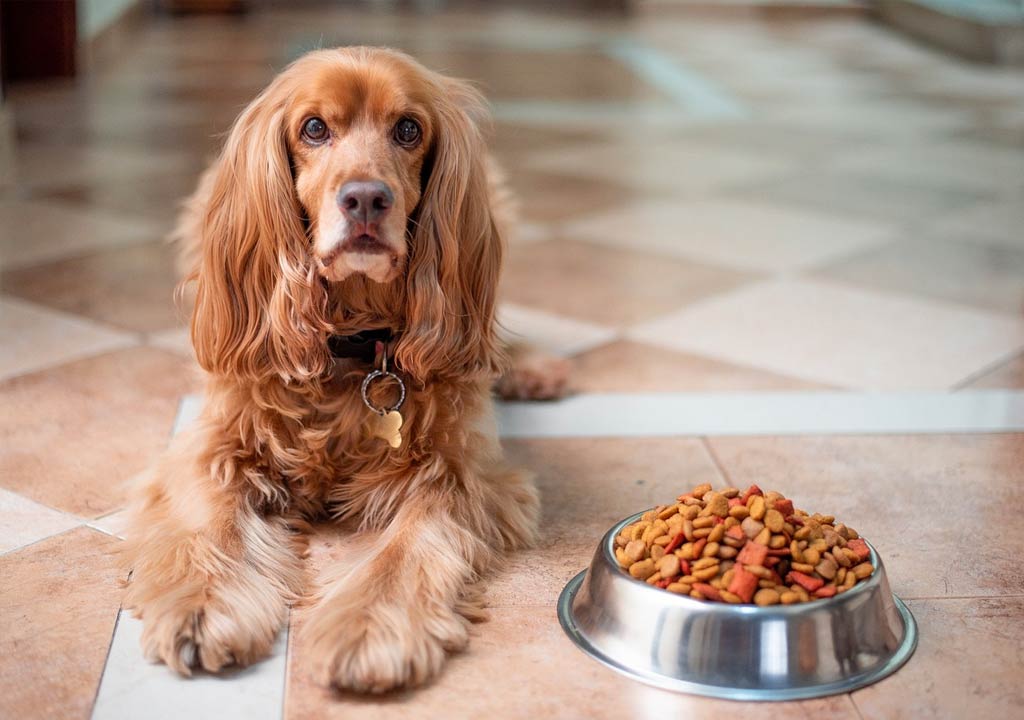
Choosing the Right Dog Bowl: Materials, Hygiene, and Safe Feeding

Choosing the Right Dog Bowl: Materials, Size, and Hygiene for Better Nutrition
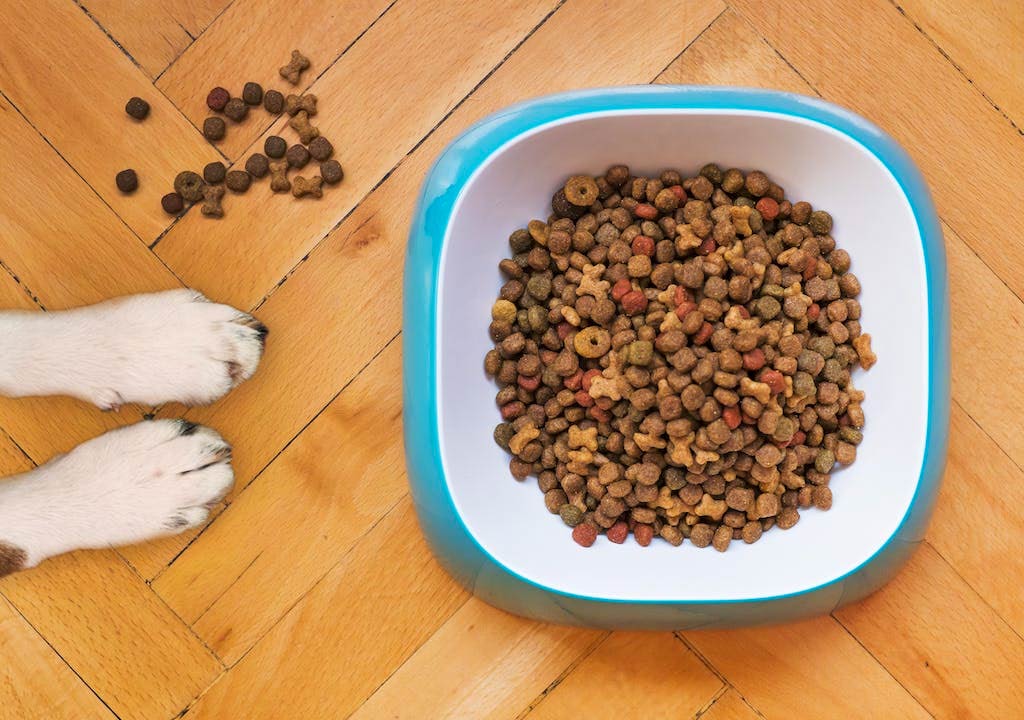
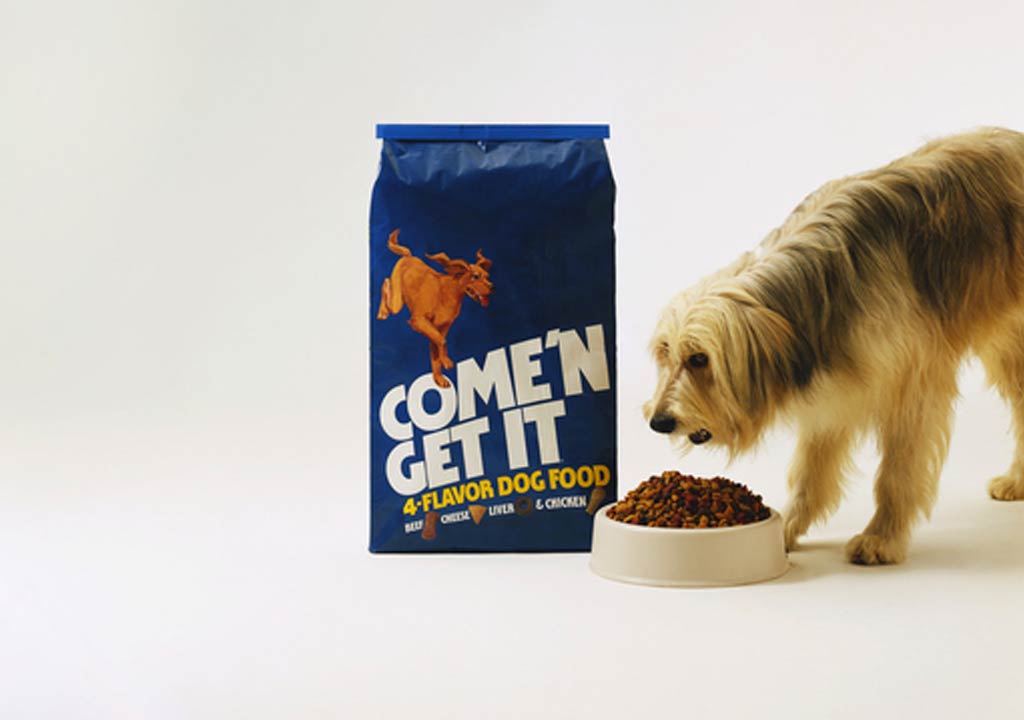
When you think about your dog's nutrition, your first image might be a bowl full of kibble or a cozy space for treats. But the humble dog bowl plays a bigger role than most of us realize. The bowl is the interface between your dog and their food, a daily device that affects how comfortably they eat, how quickly they eat, and, ultimately, how well they digest and absorb nutrients. The right bowl can support healthier eating habits, reduce the risk of dental issues and contamination, and even encourage dogs to try new foods. In this guide, we'll explore three crucial aspects of choosing a dog bowl: materials, size, and hygiene. We'll also tie these choices to practical outcomes for better nutrition and overall wellbeing.
Why the right bowl matters: nutrition is about more than ingredients
Nutrition is not just about what you feed your dog; it's also about how they receive and process that food. A bowl that's too small can cause mess and spills, making portion control messy and frustrating. A bowl that slides around or is too tall for your dog's posture can cause shoulder strain or neck discomfort, which in turn can influence how eagerly they eat. A bowl made from a material that scratches easily or harbors bacteria can introduce contaminants at every meal. All of these factors can subtly affect appetite, digestion, and even appetite regulation over time. The goal is a bowl that fits your dog's body and behavior, is easy to clean and maintain, and supports safe, hygienic feeding habits.
Materials matter: pros and cons for dog bowls
The material of a dog bowl influences durability, ease of cleaning, potential for harboring bacteria, and safety for certain diets. Below are common options, with practical considerations to help you decide which is best for your dog.
Stainless steel: the long-term workhorse
Stainless steel bowls are among the most popular choices for many dogs and their owners. They're durable, non-porous, and typically dishwasher-safe, which makes cleaning easier and more reliable. Stainless steel is less likely to harbor bacteria than porous materials, and it doesn't retain odors the way some plastics can. Look for bowls made from food-grade stainless steel (often labeled 18/8 or 304 stainless) to ensure corrosion resistance and safety.
One important caveat: the interior should be smooth and free of seams or pits where food particles can lodge. A bowl with a scratch or seam can become a hiding place for bacteria, undermining hygiene despite regular washing. If your dog chews aggressively, choose thicker-walled stainless steel with a strong rim to prevent dents and grooving. For dogs with arthritis or dental issues, a shallow stainless bowl can be easier to access than a deep one.
Ceramic and enamel bowls: weight, stability, and glaze safety
Ceramic bowls are heavy, stable, and often come in attractive designs. They're excellent for dogs that push or slide lighter bowls around. Ceramic is non-porous when properly glazed, which helps with hygiene and odor control-provided the glaze is lead-free and designed for food contact. Always check that the ceramic is labeled lead-free and cadmium-free, and inspect for chips or cracks. A chipped glaze can harbor bacteria and may create sharp edges that injure a dog's mouth or gums.
Weight is a practical consideration: heavier bowls stay put on slick floors, which is beneficial for active eaters. However, if a ceramic bowl cracks, it can be harder to repair and more dangerous to chew on, so regular inspection is key. If you're washing a ceramic bowl in a dishwasher, ensure it's dishwasher-safe; harsh heat can cause crazing (fine cracks) in the glaze over time.
Plastic and melamine bowls: budget-friendly but with caveats
Plastic bowls are inexpensive and lightweight, which can be appealing for travel or for dogs that prefer a light-feel in their mouth. However, plastic is porous and prone to scratching. Scratches can trap bacteria, odors, and food residues that are difficult to remove completely, even with regular washing. Over time, scratches can also harbor invisible cracks where cracks can form, creating further spaces for bacteria to hide. If you do choose plastic, select high-quality, BPA-free, food-grade plastic and replace bowls once they become visibly scratched or worn.
Melamine bowls, a type of plastic often marketed as durable and chip-resistant, have raised concerns because some formulations may contain dyes or binders that can leach chemicals under dishwasher heat or at high temperatures. If you want melamine, ensure it is explicitly labeled as food-safe, BPA-free, and approved for contact with hot foods. For many owners, stainless steel or ceramic remains a safer long-term choice.
Silicone and other flexible materials: versatility with hygiene trade-offs
Silicone bowls are flexible, lightweight, and can come with non-slip bases or silicon suction cups to keep the bowl anchored. They're useful for travel and for dogs that push bowls around, or for puppies who tip easily. However, silicone's texture can harbor bacteria if you don't clean it thoroughly, and some lower-cost silicone products may crack or tear with repeated washing or biting. If you select silicone, choose food-grade silicone from reputable brands and inspect regularly for tears or discoloration. Cleaning may require more attention to ensure no soap residue remains in crevices.
Size and fit: how to choose the right bowl for your dog
The size of the bowl should align with your dog's body size, eating style, and daily food volume rather than simply the dog's weight. An appropriately sized bowl helps ensure comfortable eating posture and reduces the likelihood of spills, which can contribute to waste and mess. Here are practical guidelines to help you pick the right size.
First, determine your dog's daily food amount. This is usually given on the dog food's packaging as a recommended daily portion, adjusted for activity level and life stage. If you're unsure, consult your veterinarian or a veterinary nutritionist to determine a target daily caloric intake based on weight, age, metabolism, and activity. Once you have a daily portion, think about how many meals you feed per day and whether you use a single bowl or separate bowls for dry food and wet food. You'll want a bowl that can comfortably hold the total amount for a single meal, plus a little extra to prevent spilling during feeding.
Size guidelines by dog category can serve as a starting point, though individual variation matters. For small dogs (up to about 20 pounds or 9 kilograms), bowls in the range of 1/2 to 2 cups per meal may be appropriate, depending on the dog's energy needs. For medium dogs (roughly 20-50 pounds or 9-23 kilograms), bowls in the 2-4 cup range per meal are common. Large dogs (50-100 pounds or 23-45 kilograms) often do well with bowls that hold 4-6 cups or more per meal, particularly if they eat multiple times a day. Very large or giant breeds might require even larger bowls or separate portions to maintain recommended intake. If you're using a raised feeder or a slow-feed bowl, you'll want to ensure the opening is large enough for comfortable access but not so large that the dog can gulp with too much head motion.
Another sizing factor is the bowl's height and the dog's stance during eating. A bowl that's too deep relative to your dog's neck length can force awkward neck flexion, increasing the effort of swallowing. Conversely, a shallow bowl is more accessible for dogs with short necks or dental issues. A general rule: the dog should be able to lower their head comfortably to eat without pressing their chest toward the floor or hunching their shoulders. If you're unsure, a quick check with your veterinarian or a physical therapist for animals can help you determine the ideal height and diameter for your dog.
Non-slip bases are worth considering, especially for dogs that push bowls or eat with gusto. A stable bowl prevents spills and minimizes cleanups, which can encourage a calmer, more predictable feeding routine. If your dog tends to slide a bowl or tip it over, you might prefer a bowl with a rubber base, a weighted ceramic design, or a silicone sleeve that adds friction to the bottom.
Hygiene and cleaning: keeping bowls safe and sanitary
Hygiene is a cornerstone of nutrition for dogs. A bowl that is clean at every meal reduces exposure to bacteria that can lead to stomach upset or more serious infections. How you clean and maintain bowls depends on the material, the dog's diet, and the household's routine. Here are practical hygiene guidelines to keep in mind.
Daily care is simple but essential. Rinse bowls after each meal to remove remaining food particles. A quick wash with mild dish soap and warm water is typically enough for most domestic dogs, but you should ensure all soap residues are rinsed away completely. Residual soap can irritate a dog's mouth, and some dogs are sensitive to fragrances or detergents. Rinse carefully and dry with a clean towel or air-dry before the next use.
Weekly or more thorough cleaning is advisable for most households. For stainless steel, ceramic, and some high-quality plastics, you can often run bowls through a dishwasher on a normal cycle. Check the manufacturer's guidelines to confirm dishwasher compatibility. For dishwasher-safe items, placing bowls on the top rack can minimize heat exposure that could warp or degrade certain plastics over time. If you don't use a dishwasher, soak bowls in hot, soapy water for a few minutes before scrubbing with a sponge or brush designed for pet dishes. Pay special attention to the rims and any seams where residues can accumulate.
Sanitizing adds an extra layer of protection, especially if your dog has a weaker immune system, is recovering from an illness, or has recently recovered from an infection. A common approach is to use a solution of one tablespoon of unscented, mild dish soap to one gallon of water for routine cleaning, then to rinse thoroughly. For deeper sanitization, you can periodically use a diluted white vinegar solution (one part vinegar to four parts water) to help neutralize odors and kill surface bacteria, followed by a thorough rinse. Do not mix vinegar with bleach or ammonia-based cleaners, as dangerous chemical reactions can occur.
When it's time to replace bowls, don't delay. Scratches, cracks, or visible wear can harbor bacteria and become difficult to clean, even with diligent washing. A bowl that is deeply scratched, chipped, or discolored should be retired. For dogs that eat raw food or semi-wet diets, consider dedicated cleaning tools to avoid cross-contamination if you share utensils or wash in a single sink. It's a good habit to designate a separate brush or sponge for pet dishes to avoid transferring residues to human-use dishes.
Clinic-grade hygiene considerations include avoiding cross-contamination between pet foods and human foods. In households where multiple pets or species share a feeding area, you might opt for separate bowls for each animal and clean station areas in between meals. Some owners also consider color-coding or labeling bowls to reduce confusion and keep track of replacement cycles.
Practical tips for different situations
Every dog is unique, and your bowl choices should reflect life stages, health concerns, and feeding routines. Here are practical tips for common situations you might encounter.
For puppies and junior dogs: choose a bowl with a size appropriate for their growing bodies. Puppies can outgrow bowls quickly, and their eating speed may be faster as they learn to handle new foods. A shallow, wide bowl can help reduce the risk of gulping and choking, while ensuring the puppy has a comfortable stance. You may prefer a plastic or stainless steel bowl that's easy to replace as the puppy grows, or a ceramic option if you want a sturdy, immovable feeding station. Monitor growth and adjust portion sizes as the puppy matures, and consider using a slow-feed bowl if your puppy tends to eat rapidly.
For senior dogs or dogs with arthritis or neck/back pain: look for bowls that are easy to reach and not too deep. A raised feeder can reduce the strain on joints and encourage a comfortable neck posture. Non-slip bases help prevent spilling if tremors or joint stiffness occur. If your dog has dental disease, consider a shallow bowl to minimize jaw compression during eating, and ensure your dog's dental health is monitored as part of a broader nutrition plan. Always consult with your veterinarian if you're making changes related to age-related health issues.
For dogs on special diets (raw, home-cooked, or wet foods): hygiene becomes even more important when you're handling raw products or foods with higher moisture content. A dedicated bowl for raw diets, cleaned with separate tools, can help reduce cross-contamination risks. If you're feeding a homemade diet, ensure the portions are accurate and measured, which is easier with a bowl that allows precise measurement and avoids spillage. Always be mindful of the transition when introducing new foods to avoid digestive upset; the bowl choice itself won't change nutritional content, but reducing stress at mealtimes can support digestion and appetite.
For travel and outdoor meals: consider travel-ready bowls that collapse or fold, or sturdy silicone bowls with secure lids to prevent leaks in transit. Non-slip bases are equally useful in hotel rooms or unfamiliar spaces where surfaces may be slick. When traveling, you may want to pack a small supply of bowls that you know are easy to clean, so you don't have to rely on possibly dirty hotel amenities.
Putting it all together: a quick decision framework
Choosing the right dog bowl is a balancing act among material safety, size, and hygiene. Here's a simple framework you can use to make a quick, informed decision:
1) Assess your dog's size, age, and eating style. If your dog gobbles food, a slow-feed or raised bowl might be beneficial. If your dog slides bowls around, a weighted or non-slip option helps.
2) Pick a material that aligns with your cleaning routine and risk tolerance. Stainless steel is a reliable starting point for most households due to durability and cleanliness. Ceramic offers weight and a touch of style but requires care to avoid chips. Plastic is budget-friendly but should be chosen carefully and replaced as scratches accumulate. Silicone works well for portability and anti-slip benefits but needs thorough cleaning.
3) Choose the right size and height. Ensure the bowl can comfortably accommodate a single-meal portion with a little extra space. The dog should be able to eat without hunching excessively, and the bowl should be stable on your floor type (tile, wood, carpet). Consider a raised feeder if it suits your dog's comfort, but be mindful of any breed-specific guidance about bloat prevention and consult your veterinarian as needed.
4) Prioritize hygiene. Select dishwasher-safe options if you use a dishwasher, and adopt a consistent cleaning routine. Inspect bowls for wear and replace them when necessary. If you feed raw or wet foods, be extra vigilant about sanitation and cross-contamination across feeding stations and utensils.
5) Adapt over time. Dogs grow, their health changes, and their eating preferences evolve. Revisit your bowl choice periodically to ensure it still meets their needs. A bowl that once worked well may become less suitable as your dog ages or as your home environment changes (more carpet, more floor space, new kitchen layout, etc.).
Common myths and how to avoid them
As you shop for bowls, you may encounter advice that sounds convincing but isn't supported by evidence. Here are a few myths and the realities behind them:
Myth: A slower feeder cures all gulping problems. Reality: For some dogs, slow-feed bowls reduce the speed of eating and can help prevent bloating, but they're not a universal solution. Payday attention to the dog's overall feeding routine and health status is important, including meal frequency, portion size, and exercise after meals.
Myth: More expensive bowls are always safer. Reality: Price does not guarantee safety. Read labels, verify food-grade materials, check for certifications, and inspect the bowl for wear. A mid-range stainless steel bowl from a reputable brand often offers the best balance of safety, durability, and value.
Myth: The same bowl works for dry, wet, and raw foods. Reality: Different diets have different moisture contents and textures. Wet and raw foods can adhere to surfaces more easily, so you may want to clean more frequently or select materials with smoother interiors. Some households use separate bowls for different food types to simplify hygiene, especially if raw feeding is involved.
Final thoughts: a small change can support big nutrition gains
Choosing the right dog bowl is a simple, tangible step you can take to support your dog's nutrition and overall health. The material you select influences safety and cleanliness; the size and design influence eating posture, portion control, and the risk of spills; and robust hygiene habits ensure that mealtimes stay a source of nourishment rather than a source of illness. By considering your dog's unique physical traits, feeding style, and health considerations, you can pick a bowl that makes meals easier, cleaner, and more enjoyable for both of you.
Remember: no single accessory can fix every issue, and nutrition is a system. Pair your well-chosen bowl with appropriate portion control, balanced diet, regular veterinary check-ins, and a consistent feeding routine. If you have concerns about a specific health condition, dietary needs, or feeding practices-such as a dog with a history of bloating, dental disease, or food allergies-consult your veterinarian or a veterinary nutritionist for personalized guidance. The right bowl is a cornerstone of good nutrition, not a replacement for professional medical advice.
In summary, when you're selecting a dog bowl, you're choosing comfort, safety, and hygiene for your best friend's daily meals. Weigh the materials against your budget and cleaning habits; match the bowl size and height to your dog's body and eating style; and commit to a simple, reproducible cleaning routine. With thoughtful choices, your dog can enjoy meals that are not only nutritious but also comfortable, clean, and stress-free-supporting better digestion, healthier weight management, and a happier life overall.
LIKED THIS ARTICLE? SHARE IT: