













Safe Materials for Dog Bowls: Stainless Steel, Ceramic, and BPA-Free Options

Choosing Safe Dog Bowls: Materials, Hygiene, and Health Risks
A dog bowl isn't just a container for food and water; it's a daily tool that touches your pet's health. The material a bowl is made from, how easy it is to keep clean, and even little design features can influence how safe it is for your dog over weeks, months, and years. This guide walks you through the key factors to consider when selecting a dog bowl, with practical advice on preventing health risks and maintaining top hygiene.
Why bowl safety matters
Dogs explore the world with their mouths, noses, and tongues, and their bowls are constant companions. A bowl that harbors bacteria, leaches chemicals, or cracks easily can become a source of illness or discomfort. Contaminants sneak in through tiny cracks, chipped glaze, or worn surfaces, while poor hygiene can turn a simple meal into a vehicle for infections. Even seemingly small decisions-whether to choose stainless steel over plastic, or whether to go with a raised feeder-can add up over time.
While most well-made bowls are safe when cared for properly, awareness helps you avoid common pitfalls. This article highlights materials, cleaning practices, and warning signs to help you choose bowls that support your dog's health rather than complicate it.
Materials at a glance: pros, cons, and safety basics
There are several common bowl materials on the market. Each has its strengths and potential drawbacks. Understanding these can help you pick the right option for your dog's habits, your kitchen setup, and your willingness to maintain them.
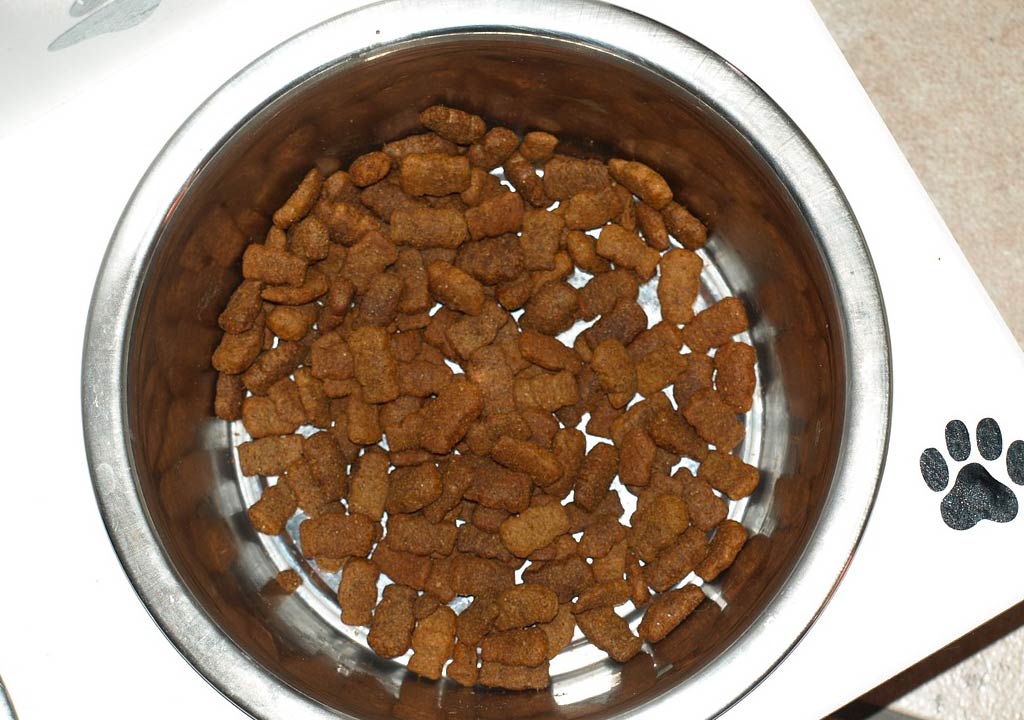
Stainless steel
Pros:
- Non-porous surface makes it highly resistant to bacteria when cleaned properly.
- Durable and long-lasting; less prone to scratches than plastic.
- Usually dishwasher-safe and easy to sanitize.
- Heavy bowls are harder for dogs to flip or push around.
Cons:
- Can become very hot or cold to the touch in extreme environments, though this doesn't transfer to food in normal kitchen conditions.
- Some low-quality stainless steel can rust or corrode over time, especially if scratched and exposed to harsh cleaners.
- A small number of dogs may have a metal sensitivity or allergy, though this is uncommon.
Best practice: - Look for "food-grade" stainless steel with a strong seam and a heavy base (often labeled 18/8 or 304 stainless). These indicators reduce the risk of rust and alloy leaching. - Replace bowls with deep gouges, pits, or heavy scratches, because bacteria can hide in crevices. - Use a non-slip mat or a weighted rim to prevent sliding and spreading water or food around the floor.
Ceramic and porcelain
Pros:
- Heavy and stable, which helps prevent tipping.
- Smooth glaze interior makes cleaning easier and can be visually appealing.
- Generally inert if the glaze is properly fired and food-safe.
Cons:
- Glazes can contain lead or cadmium in low-quality wares or older items. Even when glaze is declared "lead-free," tiny amounts can still pose a risk if the bowl is chipped or used frequently with hot foods.
- Cracks or chips can harbor bacteria. A cracked glaze can allow bacteria to penetrate and accumulate.
- Ceramic bowls can crack or break if dropped, creating sharp edges that are dangerous for pets.
Best practice: - Choose ceramic bowls that clearly state they are "lead-free" or "food-safe glaze," ideally with testing information or from reputable brands. - Inspect bowls for chips or cracks regularly; discard any bowl with visible damage. - Avoid drastic temperature changes (e.g., going from freezer to hot water) to reduce fracture risk.
Plastic and low-cost plastics
Pros:
- Lightweight and inexpensive; easy to replace when worn.
- A wide range of colors and sizes; convenient for multi-pet households.
Cons:
- Porous surfaces can harbor bacteria and odors after repeated use, especially if scratched.
- Aging plastics can leach chemicals such as BPA or related plasticizers in some formulations; while many manufacturers now label BPA-free plastics, there is ongoing debate about other compounds (e.g., phthalates) and long‑term exposure.
- Chewing pets may damage plastic bowls, increasing the risk of ingestion of plastic fragments.
Best practice: - If you choose plastic, select BPA-free, food-grade plastic from reputable brands and replace bowls at the first sign of deep scratches, warping, or cracks. - Avoid using plastic bowls for hot foods; never heat or microwave plastic bowls, as heat can increase chemical leaching. - Regularly wash with hot water and dish soap; consider rotating in new bowls to minimize bacterial buildup in aged plastics.
Silicone
Pros:
- Flexible and durable; many silicone bowls have non-slip bases and are easy to store.
- Safe for pets, and some silicone bowls are marketed as "dishwasher-safe" and "mold-resistant."
Cons:
- Some older or cheaper silicone products may retain odors if not cleaned thoroughly.
- There is concern about degradation over very long-term heat exposure; though typical dog use doesn't require heating, occasional use in warmed checks should be considered.
- Some lower-cost silicone products may have additives or fillers that could raise questions about safety.
Best practice: - Look for food-grade silicone from reputable brands and ensure the product is designed for repeated dishwashing and food contact. - Clean thoroughly with hot water and mild soap; avoid harsh scrubbing that could scratch silicone.
Glass
Pros:
- Non-porous, inert, and easy to sanitize; attracts less bacteria when clean.
- Can be elegant and simple in design.
Cons:
- Fragile and can shatter if dropped or knocked off a counter.
- Heavier than plastic or silicone, which may be a consideration for small dogs or households with children.
Best practice: - If choosing glass, opt for tempered or reinforced glass and supervise households with thrashing or inquisitive dogs. - Use a non-slip mat to minimize movement and reduce the risk of breakage.
Wooden bowls
Pros:
- Naturally stylish and can be gentle on some dogs' mouths if well-suited to their chewing habits.
Cons:
- Porous and difficult to sanitize completely; can absorb odors and harbor bacteria if not kept clean.
- Wood can crack, warp, or split with moisture exposure.
Best practice: - Generally, wood is less common for regular dog bowls. If you choose wood, ensure it is sealed and used for dry food only, with regular checks for moisture damage.
Health risks by material: what to watch for
Understanding the health risks associated with each material helps you weigh trade-offs and avoid hidden hazards. While many animals live long, healthy lives using bowls made from various materials, recognizing red flags can prevent problems before they arise.
Plastic: leaching and bacteria
- Chemical leaching: Some plastics can release chemicals into food or water, especially when exposed to heat or wear. While many plastics are labeled "BPA-free," other compounds may still pose concerns. In dogs, ingestion of degraded plastic fragments can cause digestive upset or, in rare cases, obstructions. - Microabrasions harbor bacteria: Scratches and grooves on worn plastic bowls can trap bacteria, which makes thorough cleaning more challenging. This is why many vets and animal nutritionists favor non-porous materials that are easier to sanitize.
Ceramic and glaze: toxins in glaze and cracking issues
- Lead and cadmium: Poorly regulated glazes in some ceramic wares can release lead or cadmium, especially if the glaze is compromised by chips or cracks. Even if a bowl is labeled "glazed ceramic," it's prudent to consider the source, age, and condition. - Cracks and bacteria: Chips and cracks create hiding places for bacteria and allow moisture to remain in micro-cracks, which complicates cleaning and sanitizing.
Stainless steel: the baseline safety risk
- Metal exposure is rare but possible: In older or very low-quality stainless steel, heavy wear or corrosion can lead to small amounts of metal leaching. However, for most dogs, especially when bowls are properly cared for, stainless steel is among the safest options. - Allergies and sensitivities: A tiny fraction of dogs may have metal sensitivities or dermatitis, though this is uncommon. If your dog displays unusual skin or mouth irritation after using a metal bowl, consult a veterinarian.
Silicone and glass: practical safety considerations
- Silicone safety: Generally considered safe for food contact, provided it is high quality and maintained clean. Repeated heating should be avoided if the product isn't explicitly rated for it, though most dog use doesn't require heating. Odor retention in some silicone products can be a hygiene nuisance if not cleaned well. - Glass safety: Glass itself is inert and non-porous, but breakage risk is a practical concern and can be a hazard to dogs, especially in homes with young or clumsy pets.
Hygiene practices: keeping bowls clean and disease-free
Even the safest material can become a troublemaker if you don't keep it clean. Bacteria, yeast, and mold can flourish in pet bowls if they aren't washed regularly and thoroughly. The key is consistent routines that fit your dog's eating schedule and your household's habits.
Cleaning frequency
- Food bowls: wash after every meal to minimize bacterial growth and odors. For multi-dog households, this becomes even more critical to prevent cross-contamination between pets. - Water bowls: wash at least daily, or more often if you notice cloudy water, slime, or an unpleasant smell. In hot weather or if you use a bowl outdoors, wash more frequently.
Cleaning methods by material
- Stainless steel: hot water and dish soap work well. For a deeper clean, you can run stainless steel bowls through the dishwasher if the manufacturer approves. Soaking in a mild vinegar solution can help remove mineral buildup, followed by a thorough rinse. - Ceramic: wash with hot soapy water and scrub with a non-abrasive sponge. If you use a dishwasher, ensure the ceramic is labeled dishwasher-safe. Avoid drastic temperature changes to prevent cracking. - Plastic: wash with hot, soapy water; use a sponge or brush to reach grooves. Rinse thoroughly and dry completely. If the plastic is scratched, replace it, as bacteria can reside in scratches. - Silicone: wash with warm water and dish soap. Some silicone bowls are dishwasher-safe; check the label. Dry thoroughly to prevent moisture from lingering in any crevices. - Glass: wash with dish soap and warm water; dry with a clean towel. If it's dishwasher safe, use the dishwasher, but avoid sudden temperature changes that could stress the glass.
Sanitizing and odors
- Occasional sanitizing: For a deeper clean, you can sanitize with a mild, pet-safe disinfectant or a diluted solution of white vinegar. Rinse thoroughly afterward to remove any residue. - Odor control: If a bowl develops persistent odor despite cleaning, it may be time to replace it. Odors can indicate bacteria buildup in scratches or on coatings. - Separate bowls for food and water: Keeping separate bowls helps reduce the complex bacterial load that can develop around wet food and standing water.
Safety and maintenance reminders
- Inspect regularly: Look for cracks, chips, and deep scratches, especially in ceramic and plastic bowls. Replace damaged bowls promptly to reduce bacterial growth risk. - Avoid heat exposure beyond recommended limits: Some plastics and coatings can degrade with high heat. If you're heating food or using a heated water source, confirm compatibility with the bowl material. - Keep bowls in a clean, dry area: A damp environment can accelerate mold growth in some materials, so store bowls in a dry cabinet when not in use.
Choosing the right bowl for your dog: practical guidelines
Beyond material, several practical factors influence safety and comfort for your dog. Small details-like bowl size, anti-slip features, and temperature considerations-can affect how well your dog eats and how easy the bowl is to keep clean.
Size and capacity
- Food bowl diameter: For most dogs, the interior width should be wide enough to prevent whisker fatigue (the condition where a dog's whiskers touch the sides of the bowl). This is especially important for long-nosed breeds, but it matters for all dogs to ensure comfortable eating. - Water bowl capacity: A general rule is to provide a water supply that lasts between 24 and 48 hours, depending on climate, exercise level, and diet. If your dog drinks a lot, a larger or multiple water sources may be helpful. Tip: A bowl that is too small can lead to spilled water and frequent cleaning; one that is too large can be awkward to use. Balance is key.
Weight and stability
- A heavy bowl with a broad base reduces tipping and sliding, which is particularly helpful for puppies or dogs with a strong urge to push bowls around. - Look for non-slip bottoms or silicone rings to keep bowls in place on tile or hardwood floors.
Anti-slip and noise reduction
- Anti-slip features: Rubberized or silicone bases, weighted rims, or non-slip mats under bowls prevent noise and movement, which can be particularly important in shared living spaces or apartments. - Noise considerations: Metal bowls can be noisier when a dog eats. Some people prefer silicone or ceramic bowls to reduce clang and clatter, especially during early training or when light sleepers are in the home.
Raised vs. standard height
- Raised feeders can ease neck, back, and joint strain for some dogs, particularly larger breeds or dogs with arthritis. They can also help with slower eating and promote better digestion in certain cases. - However, raised feeders are not universally beneficial. Some dogs, especially those prone to bloat or those with certain medical histories, may not benefit from elevation. If you're unsure, consult your veterinarian.
Food type and compatibility
- If you feed raw, home-cooked, or highly acidic diets, consider bowls with non-reactive surfaces (stainless steel or well-sealed ceramic) to minimize any chemical interactions. - If your dog is a chronic chewer, a tougher material like stainless steel is often the safer choice because it resists chewing and reduces ingestion risk from damaged bowls.
Safety checklist: red flags to watch for
Use this quick checklist when evaluating a bowl or shopping for a new one:
- Material integrity: No cracks, chips, or deep scratches, especially for ceramic and plastic bowls.
- Labeling: For ceramics, ensure lead-free and food-safe glaze; for plastics, confirm BPA-free and food-grade labeling.
- Security: Non-slip base and stable design to prevent tipping and spills.
- Cleanability: A smooth interior surface without hard-to-reach grooves where bacteria can hide.
- Maintenance: Easy to disassemble or clean, and dishwasher-safe if that's your routine.
- Suitability for your dog: Consider size, eating style, jaw alignment, and any health issues (arthritis, sensory sensitivities, chewing behavior).
Practical shopping guide: how to choose with confidence
When you're standing in a store or browsing online, here are practical steps to pick a safe, durable bowl that fits your dog and your lifestyle:
Read labels and product claims carefully
- Look for phrases like "food-grade," "lead-free glaze," "BPA-free," and "dishwasher safe" as applicable to the material. - Check the brand's reputation and the presence of third-party testing or certification if you're concerned about heavy metals or chemical safety.
Inspect before you buy
- Examine for obvious defects: cracks, rough edges, or rough seams that could irritate your dog's mouth or harbor bacteria. - For ceramic bowls, inspect the glaze edge and interior for chips. A glazed interior should be smooth and intact. - For plastic bowls, perform a gentle scratch test with a non-abrasive pad; deep scratches indicate wear and potential bacteria niches.
Consider your dog's needs
- If your dog is a chewer or dental grinder, stainless steel is often the best balance of durability and hygiene. - If you have a small breed or a dog with a sensitive stomach, choose a bowl with smooth edges and stable placement to minimize stress during meals. - For dogs with arthritis or neck pain, a raised feeder might provide comfort, but monitor for any reporting of discomfort or changes in behavior after switching to a raised design.
Common myths debunked
Myth: Plastic bowls are always unsafe for dogs. Reality: Not all plastics are created equal. BPA-free plastics can be safe when well cared for and replaced when scratched or worn.
Myth: Glass bowls break easily and are unsafe. Reality: Glass is inert and easy to sanitize, but dropping or rough handling can cause breakage. If you have a careful household, glass can be a fine option.
Myth: Raised feeders cause bloat. Reality: The link between feeding posture and bloat is complex and varies by individual dog. For some dogs, a raised feeder helps; for others, it's not advisable. Always evaluate your dog's health history and consult your veterinarian if concerned.
Environmental and long-term considerations
Choosing a bowl also involves thinking about the environment and long-term use. Replacing bowls regularly is wasteful if you're using the same material that lasts for years. Conversely, choosing a durable material that's easy to clean can reduce waste and ongoing plastic exposure.
- Consider durability and lifecycle: Stainless steel and high-quality ceramic tend to last longer than cheaper plastics, which reduces waste and replacement frequency. - End-of-life options: Recycle or reuse when possible, especially for stainless steel and glass. Don't pour hazardous leftovers into the trash; clean thoroughly first. - Do you share bowls? In multi-pet homes, having separate bowls for each dog reduces cross-contamination and helps you track individual pet's intake, water consumption, and health changes.
Putting it all together: a practical plan for your next bowl purchase
1) Assess your dog: Consider size, chewing habits, possible allergies, and any medical concerns. If you're unsure, ask your veterinarian for guidance.
2) Choose a material with your dog in mind: Stainless steel is a strong default for most dogs due to hygiene and durability. Ceramic offers a stable option for many households but requires care to avoid chips. Plastic can be acceptable if you replace worn bowls and avoid using harsh additives. Silicone and glass have their niche uses depending on your household's priorities.
3) Pick the right features: Look for a non-slip base, a size appropriate for your dog's muzzle and eating pace, and a design that minimizes spills and mess. If multiple pets share the space, consider multiple bowls or labeled bowls to prevent cross-feeding issues.
4) Plan a cleaning schedule: Establish a routine that fits your daily life. Daily washing of food and water bowls is a good standard, with extra attention during hot weather or after a dirty meal.
5) Inspect regularly: Replace bowls at the first sign of damage. A cracked or chipped surface can harbor bacteria and may injure your dog's mouth.
Conclusion
Choosing a dog bowl is more than a matter of style or convenience. The material you select, how you maintain it, and how well it fits your dog's health needs can influence daily comfort, digestion, and long-term well-being. By prioritizing non-porous, well-made materials; enforcing consistent cleaning and inspection routines; and tailoring your choice to your dog's size, behavior, and medical history, you can reduce health risks and create a safer, more hygienic feeding environment.
Remember: every dog is different. If you notice unusual symptoms after meals-gastrointestinal upset, persistent mouth irritation, or changes in appetite-consult your veterinarian for personalized advice. A well-chosen bowl isn't a cure-all, but it's a foundational piece of everyday pet health that deserves thoughtful consideration.
LIKED THIS ARTICLE? SHARE IT: