















Material Matters: Ergonomic and Durable Choices in Dog Bowls Design & Materials Spotlight

Color, Scale, and Style: A Spotlight on Form-Focused Dog Bowl Design
When you think of a dog bowl, you might picture a simple stainless steel dish gathering food and a splash of water. Yet beneath the surface lies a confluence of color theory, scale precision, and stylistic intent that can transform a practical object into a design statement-and into a tool that supports better feeding, better postures, and even better homes. This spotlight on form-focused dog bowl design explores how color, scale, and style interact to create bowls that are not only safe and functional but also aesthetically enriching for both pets and their humans.
Designers and pet owners alike share a goal: reduce friction between feeding and daily life. A form-focused approach asks: How does this bowl sit in space? How does it invite easy use for a nervous senior dog or a strong chewer? How does its color speak to the room's palette or to the dog's perception? How does the scale of the bowl align with the dog's body, posture, and eating habit? By answering these questions, we can move beyond generic "pet hardware" toward objects that are both humane and beautiful.
Color as a Behavior Modifier: Seeing, Not Just Feeding
Colors do more than decorate. They influence mood, perception, and even behavior. In the context of dog bowls, color decisions can affect appetite, recall, and ease of use for humans who supervise feeding. Yet color for dogs is not the same as color for people. Dogs have fewer color receptors in their retinas, which means they perceive color differently. They are more sensitive to contrasts and to blues and yellows, and less able to distinguish between subtle reds and greens. For bowl design, this has practical implications.
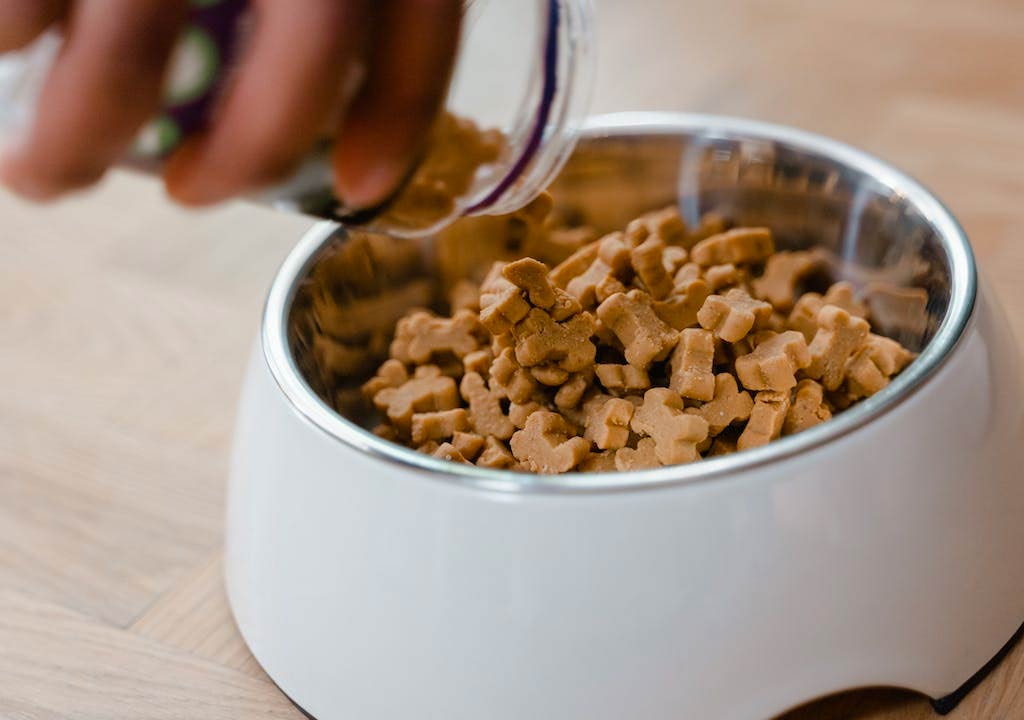
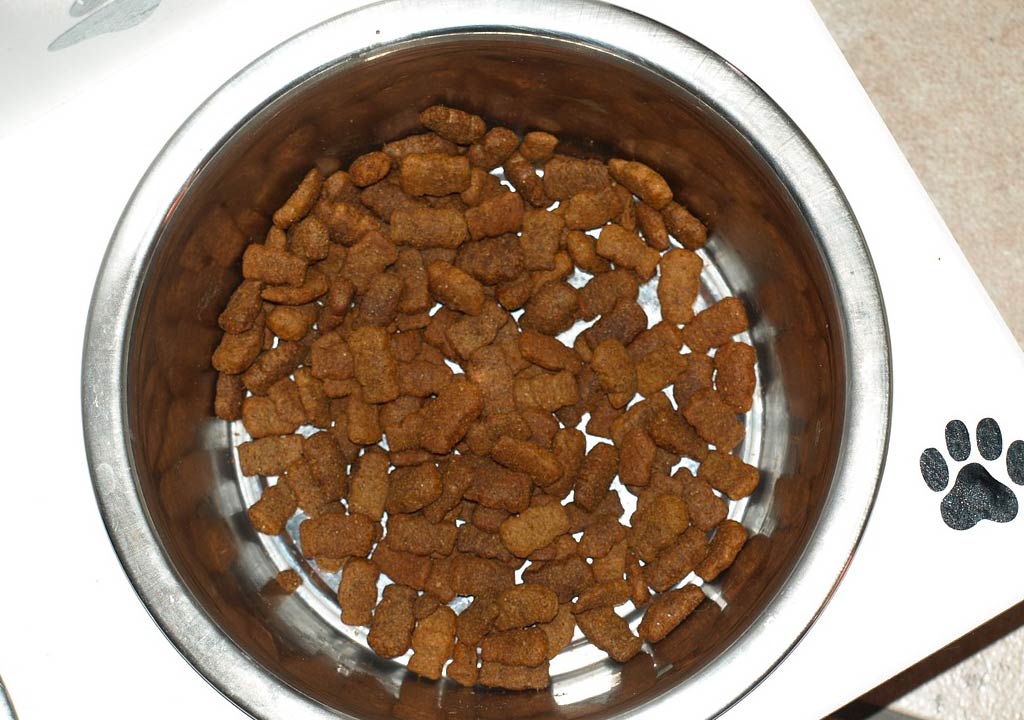
First, contrast matters. A bowl interior that contrasts with food can help a dog visually identify where to lick or scoop, potentially simplifying the act of eating for nervous or elderly dogs. For instance, a light-toned interior against darker kibble can offer a clear edge to the dog's perception. Conversely, a bowl that blends foods into the interior color may create a confusing edge. Designers can exploit this by selecting interiors that provide a gentle visual cue without being jarring to human eyes.
Second, surface finish and color saturation influence perceived weight and heft. A matte charcoal exterior coupled with a glossy, high-contrast interior can read as sturdy and easy to clean while also signaling where the rim ends and the body begins. Color palettes that echo natural materials-stone, slate, warm wood tones-tend to ground the bowl in domestic spaces and communicate durability. Yet there is space for whimsy: soft pastels can soften the visual demand in a child's room or a playful kitchen, while bold primary colors can serve as visual anchors in an otherwise monochrome interior.
Third, color in raised or modular bowls can be used to distinguish between pets in multi-dog households. Subtle color cues on separate bowls help families organize feeding times, reduce cross-feeding confusion, and create a clear "personal space" for each animal. This practical function is a form of color communication-the same way labeling a bottle in a kitchen streamlines daily rituals.
Color choices should also consider safety. Non-toxic pigments are essential, particularly in bowls made for puppies who investigate objects with their mouths. Glazes and coatings must be food-safe and durable under repeated washing. For color-laden finishes, the risk of wear-through should be balanced against the bowl's expected life. A vivid, heat-set glaze might offer lasting color while remaining scratch-resistant, but it should be tested for chipping and potential ingestion hazards. In short: color can be delightful, but it must be responsibly chosen.
Scale and Proportion: Fit for Function, Not Just Form
Scale is perhaps the most overlooked but most impactful design parameter in dog bowls. A bowl is a tool of posture: it determines how the dog's neck aligns with its forelimbs, how much the head must bend, and how much cranial contact occurs with the bowl edge. Poor scale can encourage awkward postures that, over time, contribute to neck strain or poor swallowing. A well-scaled bowl supports natural, healthy feeding posture and makes the act of eating more comfortable for dogs of every age and size.
Key considerations include diameter, height, and the rim's geometry. A bowl with too-wide a diameter may cause a dog to tilt the head at an awkward angle to reach the food; a bowl that is too shallow can lead to spillage and a messy feeding session. Raised bowls-stands that lift the bowl several inches off the floor-offer the benefit of an elevated feeding posture, which can be beneficial for large dogs or dogs with arthritis. However, the raised height must be adjustable or matched to the dog's leg length and spinal alignment to avoid forcing the dog into an unnatural neck angle.
Ergonomics are not just about the dog's comfort. For human caretakers, bowl scale influences practicality. Easy-grip rims or lips reduce the risk of spills during refills or cleaning. A stand with a stable base and subtle weight distribution minimizes tipping if an excited dog pushes against it during feeding. For multispecies households or families with children, scale must be forgiving: bowls that are robust, easy to remove from stands, and simple to sanitize keep routines smooth.
There is also the matter of floor space and placement within a kitchen or feeding nook. A bowl that sits too close to a wall or cabinet can crowd a dog's range of motion, while one placed too far away invites awkward bending. A form-focused approach considers these spatial relationships as part of the design brief: how the bowl exists within a room and how its presence affects daily life. In practice, this means testing bowls in real-life settings, not just in a studio, to understand how scale interacts with the user's lived environment.
For smaller dogs, compact bowls with a modest interior diameter reduce the need to orchestrate an exaggerated neck bend to reach food. For larger dogs, deeper interiors and thicker walls convey durability and reduce the chance of tipping. In practice, many designers adopt multi-sizes or adjustable-height stands to accommodate a range of breeds, ensuring that a single product can serve a family with multiple dogs. This not only improves user experience but also reinforces the idea that form can be flexible without sacrificing function.
Style and Form Language: From Minimalist Silhouettes to Sculptural Presence
Style in dog bowls is not about chasing trends; it's about shaping a visual language that complements a space while honoring the dog's experience. Three core strands define form-focused bowl styling: silhouette clarity, edge geometry, and material honesty. When these are aligned, a bowl reads as intentional furniture rather than mere hardware, elevating an ordinary object into a piece that can be appreciated over time.
Silhouette clarity involves creating a simple, recognizable shape that can be manufactured with consistency. A clean, rounded interior and a gentle taper to the outer wall convey a sense of calm and approachability. A heavy base communicates stability, especially for bowls that feature an elevated design. The silhouette should communicate its function at a glance: a bowl that appears sturdy, easy to handle, and straightforward to clean is more likely to be adopted into daily life.
Edge geometry matters for comfort and usability. A smoothly contoured rim that is neither razor-sharp nor overly rounded reduces the risk of injury to the dog's mouth and makes the bowl more pleasant to interact with. Some designers use a slightly rolled or beveled edge to guide the dog toward the center of the dish, which can encourage efficient eating and reduce food spillage. Rim geometry also interacts with cleaning: a clean interior radius that allows easy access with a sponge or brush helps maintain hygiene.
Material honesty is a guiding principle in form-focused design. The material should reveal its intrinsic properties-stainless steel communicates durability and ease of cleaning; ceramic suggests warmth and craft; silicone or Tritan plastic offers flexibility and lightweight practicality; bamboo composites can signal sustainability and texture. Each material has a tactile character that informs how the dog interacts with the bowl and how the bowl integrates into the home. Transparent or translucent materials can subtly reveal the contents while offering a modern, airy look. Opaque finishes can ground a space with weight and presence.
Style also encompasses color cadence-whether the bowl behaves as a statement piece or blends into the background. A dish that visually disappears in a kitchen of neutrals can feel like a seamless part of the interior; conversely, a bold color or distinctive texture can function as a playful accent or a designer reference point. The key is consistency: if you favor a minimalist aesthetic, extend it through all surfaces and avoid competing patterns. If you love eclectic color, carry that through a family of bowls, stands, and feeding accessories to create a curated, cohesive look.
Materials, Finishes, and Maintenance: Safety Meets Aesthetics
The choice of material is a form-focused decision with safety implications. Stainless steel is a staple for good reason: it's durable, non-porous, easy to sanitize, and resistant to scratches. It can be finished in brushed or polished textures, each carrying a distinct aesthetic and a different feel under the hand. Ceramic bowls offer a tactile warmth and a sense of craft. They can be glazed in a spectrum of colors and patterns, but chipped edges and staining are considerations that require careful use and occasional replacement.
Silicone bowls, collapsible or rigid, provide portability and flexibility. They're gentle on the floor and can be folded for travel, but they require more attention to cleanliness to avoid odor retention. Tritan plastic bowls bring lightweight practicality, but they can scratch and may stain if not cared for properly. For eco-conscious families, compostable or bamboo-derived composites provide an option that signals sustainability, though durability and heat resistance must be weighed against daily use and dishwashing cycles.
Finishes matter as well. Matte, satin, and glossy finishes convey different moods and practicalities. A matte finish tends to hide fingerprints and minor abrasions, which is beneficial for everyday use. A glossy finish can feel more polished and modern but may show scratches more readily. Glazes in ceramic bowls must be food-safe and lead-free, with stable, durable coatings that won't craze or chip with repeated dishwashing. For raised bowls, finishes that resist staining from moisture and food coloring help maintain a cleaner look over time.
Maintenance is a form of care that reflects design integrity. A well-designed bowl should be easy to clean by hand or in a dishwasher (where appropriate), with smooth interior curves that do not trap food. Detailing like non-slip bases, integrated mats, or rubber gaskets should be designed to withstand repeated washing and drying cycles. The more resilient the finish and the more straightforward the cleaning process, the longer the bowl will maintain its appearance and performance, reinforcing the relationship between form and function.
Case Studies: Concrete Examples of Form-Focused Bowls
While every dog's needs are unique, a few design archetypes illustrate how color, scale, and style come together to create effective products. Here are three representative approaches that highlight the spectrum of form-focused dog bowl design.
1) The Everyday Stainless Steel with a Purposeful Lift
Design: A heavy-bottom, double-wall stainless steel bowl sits on a non-slip silicone ring and a low-profile stand that can be adjusted in height. The interior is mirror-polished for easy cleaning, while the exterior features a matte charcoal finish to minimize fingerprints and scratches. The rim is gently rounded, guiding the dog's mouth toward the center of the bowl and reducing edge-biting anxiety.
Color and scale: The exterior's charcoal tone contrasts with the shiny interior, offering visual depth without overwhelming a kitchen's palette. The adjustable stand expands the bowl's utility for various breeds and ages. The scale is conservative yet practical: not too tall for small dogs, but tall enough to elevate feeding for larger dogs, which can aid posture.
Why it works: This design respects the dog's physiology by providing an ergonomic feeding position and a reliable non-slip base. It also supports households that rotate between dogs of different sizes, while the color and finish keep the object visually restrained and easy to maintain.
2) Ceramic Calm: Pastel Glaze and Gentle Curves
Design: A hand-thrown ceramic bowl with a shallow interior and a slightly flared rim sits on a smooth ceramic base or a discreet wooden stand. The glaze palette leans toward pale blues and soft creams, creating a calming presence that complements restful kitchen environments. Interior glaze is food-safe and glossy enough to resist staining.
Color and scale: The pastel exterior softens the room's mood, while the interior provides a clean, bright surface for food. The bowl's footprint is modest, making it ideal for apartments or compact kitchens. Scale emphasizes approachability-the bowl looks friendly on a countertop, neither imposing nor invisible.
Why it works: Ceramic's tactile warmth invites gentle interaction, and the pastel color communicates serenity. For households that value artisanal craft, this approach signals care and intention, elevating the routine act of feeding into a moment of mindfulness.
3) Elevated Minimalism: Sleek, High-Contrast, and Modular
Design: A modular set with a raised stand and interchangeable bowls in different sizes. The stand uses a clean, linear profile with a slim crossbar and a wide, weighted base for stability. Bowls come in black, white, and a rich cobalt option, offering high-contrast choices that are visually striking in modern interiors.
Color and scale: The color palette creates a bold visual impact while maintaining a calm, contemporary vibe. The stand allows the bowl's height to be adjusted incrementally, supporting a range of dog sizes and postures. The silhouette is geometric and confident, reflecting a design language that pairs well with modern furniture and fittings.
Why it works: The modular approach speaks to families that may grow or diversify their pet roster. The raised configuration can improve digestion and comfort for large dogs, while the option to switch bowls preserves the product's relevance for years. The high-contrast color choices aid visibility and identity, reinforcing a sense of design coherence throughout the home.
Practical Guidelines for Designers and Pet Owners
Whether you are designing a bowl from scratch or selecting one for your home, these practical guidelines can help you prioritize form without losing function:
- Match scale to the dog's size and posture. Ask: When the dog is seated, what is the angle of the neck relative to the floor? The bowl should support a natural, comfortable posture and reduce strain on the neck and shoulders.
- Prioritize non-slip bases and stable stands. Spills create mess and anxiety for both dogs and humans. A weighted base or a textured, non-slip ring can make a big difference in everyday use.
- Choose color with intention. Use contrasting interiors for better food visibility and choose exterior colors that complement or intentionally contrast the room's palette. Ensure finishes are non-toxic and durable under repeated washing.
- Consider accessibility and cleaning in equal measure. Rims should be comfortable to lick, interiors should be easy to scrub, and any seams should be minimal and sealed to avoid breeding bacteria.
- Think about multi-dog households. Color-coding or different bowl sizes can reduce cross-feeding and help families manage feeding times more efficiently.
- Balance aesthetics with safety. Avoid sharp edges, toxic coatings, or fragile materials in households with curious puppies or aggressive chewers. Durability is a design feature as much as a practical necessity.
- Test in real-life contexts. A bowl that looks great in a showroom may feel different in a kitchen's lighting or on a busy feeding station. Observe how it behaves when a dog licks, paws, or nudges it, and adjust accordingly.
The Role of Sustainability in Form-Focused Design
As households become more environmentally conscious, sustainable materials and design practices increasingly influence bowl design. Reusable, repairable, and recyclable components extend a bowl's lifespan and reduce waste. A form-focused approach embraces sustainability not as an afterthought but as an integrated design criterion.
Considerations include:
- Material choice with end-of-life in mind: steel and ceramic are highly durable and recyclable, while certain biobased plastics may offer lighter options but require careful lifecycle thinking.
- Modularity to extend life: adjustable stands and replaceable bowls let owners refresh parts without discarding the entire system.
- Supplier transparency: non-toxic finishes and provenance information empower owners to make responsible choices.
- Repair culture: bowls designed to be disassembled for cleaning or minor repairs encourage longer use and reduce disposal.
In practice, a well-designed, sustainable bowl isn't just about the material; it's about the user's experience over time. If a bowl resists staining, is easy to clean, and offers a flexible fit for changing needs, it reduces the likelihood that a family will replace it prematurely. The more durable the design, the more it supports a sustainable lifestyle without sacrificing style.
The Aesthetic-Function Dialogue: How Color, Scale, and Style Interact
Color, scale, and style do not exist in isolation; they engage in a continuous dialogue that defines the user experience. A bowl's color can influence how scale is perceived. A smaller dog's bowl, painted in a vivid color, can visually "read" larger on a shelf if paired with a broader stand or a contrasting base. Conversely, a very large bowl in a minimalist, matte finish can appear more restrained and integrated, even in a visually busy space. This perceptual flexibility is at the heart of form-focused design: color helps the eye, scale aids the body, and style communicates intention.
Similarly, style choices can modulate how a bowl behaves in a room. A sculptural, high-contrast design can push a bowl into the role of furniture, inviting viewers to notice it as a deliberate design choice. A subdued, rounded form can recede, turning the feeding area into a serene corner of the home. The interplay between color and form creates spaces that feel curated, rather than cluttered or accidental.
In addition, the scale of a bowl can influence emotional responses. A compact, neatly scaled bowl can feel intimate and cozy, ideal for small apartments or gentle feeders. A bold, oversized bowl can make a statement, signaling strength and presence, while still fulfilling the dog's functional needs when paired with the right stand. The ability to tune scale and color together offers designers and owners a broad palette for customizing spaces to match personalities, rituals, and routines.
Future Directions: Smart, Adaptive, and Humane
The trajectory of form-focused dog bowl design is moving toward smarter, more adaptive solutions. While safety and comfort remain paramount, we are seeing explorations in smart bowls that track water intake, feeding frequency, and even the dog's chewing patterns. These technologies can provide actionable insights for owners, enabling better health management and tailored feeding programs. At the same time, designers are reconciling digital functionalities with tactile, analog experiences. The safest smart features are those that complement daily life without creating data burdens or privacy concerns for pets.
Future bowls may feature adaptive features that respond to the dog's posture. For example, a sensor-enabled stand could adjust its height slightly as a dog finishes a growth period, ensuring continued ergonomic alignment. Another possibility is intelligent color-changing surfaces that indicate food freshness or hydration status, using color cues to communicate subtle messages to the caregiver. The challenge will be to design these features in ways that are unobtrusive, non-intrusive, and easy to operate for humans who may not be tech-savvy.
Beyond technology, sustainability and circular design will continue to shape color, scale, and style decisions. Bowls and stands may be designed for disassembly, with components that can be replaced or upgraded as needs evolve. Recyclable materials and repair-friendly joints can keep products in circulation for longer periods, reducing waste and aligning with responsible consumer practices. This future promises bowls that are not only beautiful and functional but also respectful of the broader systems in which they exist.
Takeaways for Craft and Home
Whether you are crafting bowls, curating a pet-friendly interior, or designing a product line for a retailer, here are concise takeaways to keep in mind:
- Lead with ergonomic scale. Always test against real dogs to ensure posture-friendly feeding. Adjustable-height options are a strong design feature.
- Use color to communicate, not just decorate. Consider dog perception, contrast, and human-room aesthetics when choosing colors.
- Prioritize safe materials and finishes. Food-safe glazes, non-toxic pigments, and durable coatings protect pets and longevity of the product.
- Be honest about the material's character. Let the material's inherent properties guide the design language-stainless steel reads as durable; ceramic reads as craft; silicone reads as portable and flexible.
- Favor modularity and repairability. A design that allows part replacements extends life and reduces waste.
- Design with the home in mind. Bowls should harmonize with existing furniture, lighting, and flooring, not clash with them.
Closing Thoughts: The Gentle Art of Feeding as Design
Color, scale, and style are not superficial traits in dog bowl design; they are instruments that shape everyday rituals, the affection between pets and humans, and the quality of daily life. A form-focused approach treats the bowl not as a disposable accessory but as a partner in nourishment, a piece that must "perform" reliably while also adding warmth, clarity, and beauty to a home.
The best bowls understand that design is a conversation. They speak in color that dogs can perceive and humans can appreciate, in scale that respects both animal physiology and human layout, and in style that complements the room's mood without overpowering it. They balance aesthetic ambition with practical constraints, and they invite continued use through thoughtful materials, finishes, and ergonomic details.
As designers push forward, we can anticipate bowls that are bolder in their silhouettes and more nuanced in their color ranges, yet never at the expense of safety or comfort. We may see innovations that marry form with intelligent feedback, providing owners with subtle, actionable insights while remaining approachable for all family members. We may also witness a growing emphasis on sustainability: modular components that can be updated or replaced, and materials chosen for longevity and responsible disposal. In the end, the simplest bowls-the ones that feel inevitable in their place-will likely be the ones that teach us the most about how color, scale, and style can collaborate to enhance a life shared with a dog.
Final Note: A Call to Slow, Intentional Design
In a world full of quick-fix consumer goods, form-focused dog bowl design invites a slower, more intentional approach. It asks designers to observe how a bowl sits in a kitchen, how a dog interacts with its edges, how a color scheme resonates with the space, and how a product can age gracefully. It begs pet owners to reflect on their own spaces and routines, to choose bowls that support health and happiness, and to consider the life of the object beyond its first use. By paying attention to color, scale, and style-with safety and practicality as non-negotiables-we can elevate a simple feeding moment into a small daily ceremony of care and design appreciation.
About the Author
The perspectives shared in this piece come from designers and pet-owners who approach dog bowls as objects of daily use and artistic inquiry. The aim is to illuminate the choices that shape form and function, encouraging readers to look closely at the objects that populate their homes and to imagine better, kinder, more beautiful ways to nourish their canine companions.
LIKED THIS ARTICLE? SHARE IT: