













Choosing the Right Dog Bowl and Keeping It Clean: A Practical Guide

Safe Sanitizing Techniques for Dog Bowls
Every dog owner knows that mealtime is a moment of happiness for canine companions. But a bowl that isn't cleaned properly can become a hidden threat, harboring bacteria, yeasts, and molds that may cause tummy trouble for your furry friend and even little risks for your human household members. The good news is that keeping your dog's bowls clean and sanitary isn't complicated. With a practical routine and a few safe cleaning methods, you can protect your pup from illnesses and keep your home smelling fresh. This guide breaks down safe sanitizing techniques, tailored to different bowl materials, washing frequencies, and common scenarios.
Why sanitation matters: bacteria, biofilms, and daily life with dogs
Bacteria such as Salmonella, E. coli, and Campylobacter can be present on bowls, especially if food scraps linger or if bowls are not rinsed well after meals. Over time, bacteria can form a stubborn biofilm-an invisible, slimy layer that sticks to surfaces and is resistant to light scrubbing. Dogs with sensitive stomachs, puppies who explore with their mouths, or dogs that share bowls with other dogs are particularly at risk. Even if your dog seems healthy, a bowl that's rarely cleaned can become a source of infection for you and your family when you handle it or prepare meals nearby.
Beyond health, routine cleaning helps prevent odors, deter pests (like ants or flies), and extend the life of the bowls themselves. Certain materials withstand cleaning better than others, and using the right method makes sanitation more effective without damaging the bowl or exposing your dog to harsh residues.
Material matters: stainless steel, ceramic, and plastic bowls
The three common bowl materials-stainless steel, ceramic, and plastic-each have advantages and caveats when it comes to sanitation.
Stainless steel: This is widely regarded as the easiest material to sanitize. Stainless steel resists staining, scratches, and chemical absorption better than plastic or unglazed ceramic. It's typically dishwasher safe and tolerates hot water, which helps kill many microbes. If you notice rainbow-colored water spots or minor scratches, these don't likely impact safety as long as the bowl is clean, but deep grooves can harbor biofilms over time. Regular replacement isn't usually necessary unless the bowl is heavily scarred or corroded.
Ceramic: Ceramic bowls are durable and often heavy, which can deter tipping. They're generally easy to sanitize, but chipped or cracked glaze can harbor bacteria in tiny crevices. If you see cracks, replace the bowl to prevent biofilm buildup and potential injury from sharp edges. Some ceramic glazes may degrade if exposed to aggressive chemicals, so use cleaning methods that stay within mild to moderate strengths and rinse thoroughly.
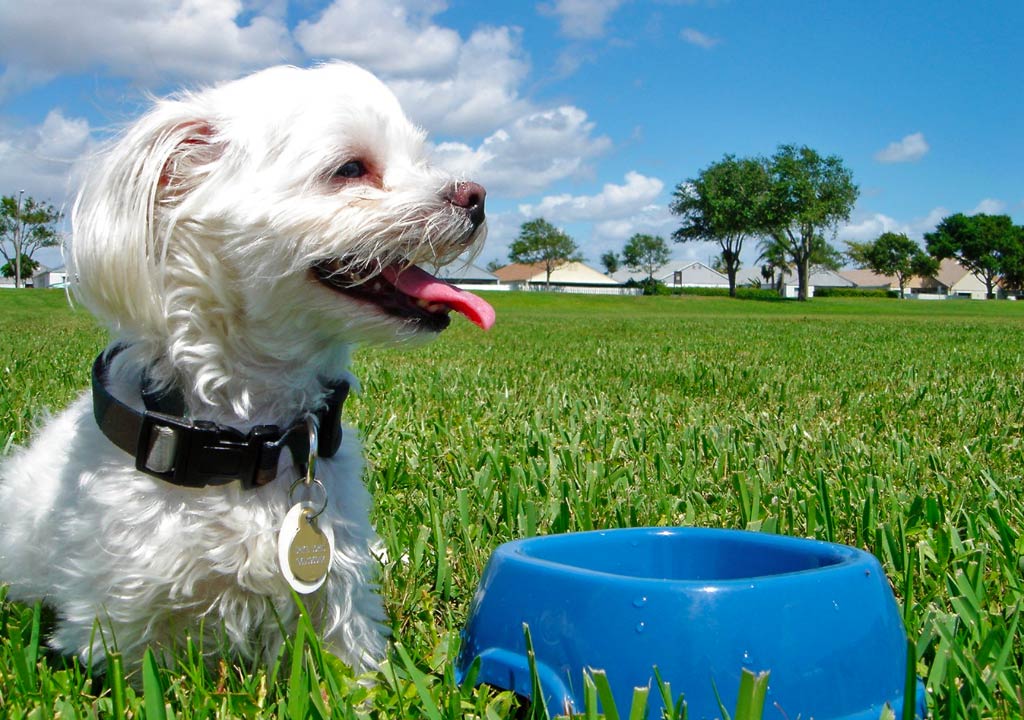
Plastic: Plastic bowls are lightweight, inexpensive, and sometimes more comfortable for tiny mouths. However, plastic scratches easily, and those scratches can trap food particles and bacteria that are harder to remove with routine washing. If you use plastic bowls, consider replacing them every 6-12 months or sooner if they show deep scratches, discoloration, or lingering odors. For multi-dog homes or shared bowls, plastic can become a hotspot for cross-contamination if not cleaned meticulously.
How often to clean: a practical routine
A consistent routine helps prevent buildup and keeps mealtimes hygienic. Here's a practical framework you can adapt to your household:
- Daily: Rinse bowls after each meal to remove food particles, wash with warm water and mild dish soap, then rinse again and air dry or towel dry. If you're using a dishwasher, you can place bowls on the top rack if the manufacturer indicates they're dishwasher safe.
- Weekly (or more often if needed): Perform a deeper sanitizing task using one of the methods below. This helps eliminate any biofilms that may have formed despite routine washing.
- Seasonal or as-needed: Inspect bowls for cracks or deep scratches and replace if needed. If a dog was ill or had a gastrointestinal issue, sanitize more thoroughly and consider replacing bowls if any residue persists after cleaning.
Step-by-step: daily cleaning routine
Following a simple, consistent routine makes daily sanitation quick and effective. Here's a practical sequence you can follow every day:
- Rinse the bowl immediately after your dog finishes a meal to remove loose food particles and saliva. This reduces the amount of debris that drys onto the surface.
- Wash with warm water and a mild, pet-safe dish soap using a non-abrasive sponge or brush. Scrub the interior and the exterior, paying special attention to any grooves or seams.
- Rinse thoroughly. Ensure all soap residues are rinsed away because soap residues can irritate your dog's mouth if ingested in small amounts.
- Dry completely with a clean towel or allow to air-dry on a rack. A dry bowl is less inviting to bacteria than a waterlogged surface, and it helps prevent odor buildup.
- Store clean bowls in a dry, sanitary place until the next meal. If you're storing them with other items, keep them separate from food preparation surfaces to minimize cross-contamination.
Deep sanitizing techniques: when and how
There are times when a deeper sanitizing step is warranted. For example, after an illness in the household, if the dog shows digestive issues, or if a bowl has accumulated a persistent odor despite regular washing. Here are several safe, pet-friendly methods. Choose one method per session, and always rinse thoroughly after sanitizing.
Method A: Hot water and mild dish soap (a thorough daily scrub)
For a strong but gentle clean, hot water plus a mild dish soap works well if you don't want to use any chemicals beyond standard household products. Use water that's comfortably hot to the touch (not scalding) and scrub with a non-abrasive sponge or brush. Rinse well until you no longer detect soap in the water. Dry thoroughly.
Method B: Vinegar soak (for mineral buildup and odors)
White distilled vinegar is a gentle, natural acid that can help break down mineral buildup and neutralize odors. Mix a 1:1 solution of water and vinegar in the bowl, submerge, and soak for 5-10 minutes. After soaking, scrub with a clean sponge, rinse thoroughly, and dry. Do not leave vinegar in plastic bowls for extended periods as it can cause minor pitting over time; rinse thoroughly to avoid any chemical taste left for your dog.
Method C: Hydrogen peroxide soak (3%)
Hydrogen peroxide is a mild sanitizer that can be effective against a broad range of microbes. Use 3% hydrogen peroxide and mix with water at a 1:1 ratio. Submerge the bowl and soak for 5-10 minutes, then scrub, rinse, and dry. Hydrogen peroxide can have a mild whitening effect on white bowls; this is usually harmless, but test on a small area if you're concerned about colorfastness.
Method D: Diluted bleach solution (for tough sanitizing jobs)
In households with multiple dogs (or after a bout of illness), a diluted bleach solution can be a highly effective sanitizer for hard, nonporous surfaces. Use unscented household bleach (5-6% sodium hypochlorite) and mix 1 tablespoon of bleach per 1 gallon (3.8 L) of water. Submerge the bowls and soak for 5 minutes, then rinse thoroughly with clean water multiple times to remove all traces of bleach. Allow the bowls to air-dry completely in a ventilated area. Important safety notes:
- Never mix bleach with ammonia or with acidic cleaners (like vinegar) in the same container. If you use bleach, rinse thoroughly before adding any other cleaning agents.
- Only use bleach on hard, nonporous surfaces. Do not use bleach on wooden bowls, resin-fiber bowls, or porous materials, as it can damage the surface and leave residue.
- Rinse until you can no longer smell or taste chlorine. This may require multiple thorough rinses.
Method E: Dishwasher sanitation (top-rack, heat-dry)
Many bowls are dishwasher-safe. If yours is, you can rely on the dishwasher's hot water and sanitation cycle to help kill microbes. Place bowls on the top rack to minimize heat exposure to any plastic components, check that the bowls are labeled as dishwasher-safe, and use a routine cycle (preferably one with a heated dry). If your dishwasher's heat is strong, the bowls will dry thoroughly and reduce any residual moisture that bacteria could otherwise use as a growth medium. After the cycle, inspect bowls to ensure they're completely clean and dry before use.
Choosing the right method for your bowl material
Different materials tolerate chemical cleaners differently. Here are practical guidelines to help you tailor sanitizing methods to the bowl you own:
Stainless steel: You can generally use hot soapy water alone, and you may opt for diluted bleach or hydrogen peroxide for deeper sanitizing, followed by a thorough rinse. Stainless steel is resilient, but avoid abrasive pads that can scratch and create nooks for microbes to hide. If you're using a dishwasher, ensure the bowl is dishwasher safe and use a sanitized cycle when available.
Ceramic: Most ceramic bowls clean easily with soap and water, and many are dishwasher safe. For stubborn stains or odors, consider a vinegar or hydrogen peroxide soak as described above. Avoid long soaks in acidic solutions if the glaze is not rated for such exposure, and always rinse thoroughly afterward.
Plastic: Plastic bowls demand more caution because scratches create micro-housing for bacteria. Use non-abrasive sponges and consider replacing scratched bowls regularly. For plastic, a mild soap approach is often sufficient; if you choose a deeper sanitizing method, opt for peroxide or a well-diluted bleach solution and rinse thoroughly, ensuring no chemical residue remains.
Special situations: illness, puppies, and multi-dog households
Different life stages and household configurations call for tailored handling of dog bowls.
Puppies and growing mouths: Puppies explore with their mouths, which makes bowls more susceptible to contamination. Clean promptly after meals and consider more frequent sanitizing during house training or when introducing new foods.
Multi-dog households: Shared bowls become a higher-risk scenario for cross-contamination. Use separate color-coded bowls for each dog, and clean each bowl thoroughly between uses. If scarcity or space is an issue, a rotating schedule to sanitize bowls after each dog's meals can help maintain hygiene without becoming a daily burden.
Tips to minimize biofilm formation and odors
Biofilm is a common challenge in busy households. Here are practical tips to keep biofilms from taking hold and to keep odors at bay:
- Wash bowls immediately after meals to remove organic matter that bacteria feed on.
- Rinse thoroughly and dry completely to prevent microbial growth in damp, stagnant surfaces.
- Inspect bowls weekly for deep scratches, chips, or cracks. Replace at the first sign of wear, as damaged surfaces harbor microbes and can injure your dog's mouth.
- Store bowls in a dry, clean place away from food prep areas to minimize cross-contamination.
- Rotate bowls so no single bowl remains in heavy use for extended periods; this allows for effective sanitizing during the weekly deep clean.
A simple weekly sanitation checklist you can print or save
Keeping a simple, repeatable weekly routine helps ensure nothing falls through the cracks. Here's a compact checklist you can use as a reminder:
- Remove bowls from the feeding area and rinse off any loose debris.
- Wash with hot water and mild dish soap using a non-scratch sponge. Rinse thoroughly.
- Choose one deep sanitizing method based on your bowl material and household needs (vinegar soak, hydrogen peroxide soak, diluted bleach, or dishwasher sanitized cycle).
- Rinse thoroughly again to remove any residual cleaning agents.
- Dry completely before reintroducing to mealtimes.
- Inspect for wear, cracks, or odors; replace if necessary.
Common mistakes to avoid
Even the best-intentioned routines can stumble on a few common missteps. Here are some to watch out for and how to avoid them:
- Letting food dry on bowls: Once dried, food residue becomes harder to remove and can harbor bacteria. Rinse promptly after meals and clean daily as described.
- Using strong cleaners without thorough rinsing: Leftover residues can irritate your dog's mouth. Always rinse until no soapy or chemical taste remains.
- Cleaning with abrasive tools: Scratch-prone materials can create microhabitats for microbes. Use soft sponges or brushes, especially on plastic or ceramic bowls.
- Assuming the dishwasher is always enough: A dishwasher may not reach all inside grooves or reseat the rack. Confirm that bowls are dishwasher-safe and inspect them after cycles for any remaining debris or residue.
Safety notes: protecting you and your dog
When handling these cleaning agents, keep a few safety practices in mind to protect both you and your dog:
- Wear gloves if you have sensitive skin or if you're using stronger sanitizers like diluted bleach.
- Keep pets away from cleaning area until bowls are fully rinsed and dry. Even small amounts of residue can irritate a dog's mouth or eyes.
- Always rinse bowls with clean water after using any chemical sanitizers. Do multiple rinse cycles if you're unsure about residue.
- Label bowls (especially if you use shared bowls in a multi-pet household) so each dog knows which bowl belongs to them and to prevent accidental ingestion of cleaning agents during the rinse cycle.
Frequently asked questions
Q: Can I just use hot water to clean dog bowls?
A: Hot water helps remove grease and residual food, but it may not be sufficient to eliminate all microbes. A mild soap rinse or a weekly sanitizing step is recommended for thorough hygiene.
Q: How often should I replace plastic bowls?
A: Consider replacement every 6-12 months or sooner if you notice deep scratches, persistent odors, or discoloration. Scratches can harbor bacteria and be hard to sanitize completely.
Q: Is it safe to use bleach around pets?
A: When used properly (diluted, in well-ventilated areas, and thoroughly rinsed), diluted household bleach can be safe for hard, nonporous surfaces. Always rinse until the smell is gone and never mix bleach with ammonia or acidic cleaners in the same area.
Putting it all together: a sample weekly plan
Here's a practical week-long plan you can customize to your routine. This plan uses a combination of daily quick cleans and a weekly deep sanitizing step. Adapt the exact days to match your schedule.
Monday: Quick rinse after dinner; wash with warm soapy water, rinse, and dry. No deep sanitizing this day.
Wednesday: Quick rinse, then one of the deep sanitizing methods (for example, a white vinegar soak for 5-10 minutes). Rinse thoroughly and dry.
Friday: Full daily clean (hot water + mild soap) plus a light scrub with a sponge to remove any buildup; dry completely.
Sunday: Deep sanitizing method of choice (bleach if you have multiple dogs or a particularly persistent odor, or peroxide/vinegar for gentler approach), followed by thorough rinsing and drying.
Bottom line: why this matters for your dog and home
Sanitation of dog bowls isn't just about keeping things clean; it's about reducing the risk of illness, controlling odors, and creating a healthier living space for you and your dog. A consistent routine-with careful attention to the material of your bowls, appropriate sanitizing methods, and careful rinsing-keeps bacteria at bay without introducing harsh chemicals to your dog's meals. When you invest a little time in maintenance, you'll notice fewer tummy troubles for your pup, fewer odors around the feeding area, and less worry about potential cross-contamination in multi-pet households.
Final tips for success
To wrap up, here are a few final tips to make safe sanitizing easy and routine-friendly:
- Invest in a small dish tub or dedicated cleaning station in your kitchen to keep bowls separate from food prep areas and to streamline the washing process.
- Consider color-coded sets for households with multiple dogs to minimize cross-contamination between bowls.
- Label or keep track of which bowls are cleaned on which days to maintain consistency across the week.
- Test a new cleaning method on a single bowl first to ensure the finish remains intact and the dog's mouth isn't irritated by any residual taste.
- Document your routine for new household members or guests who help with feeding, ensuring everyone follows the same hygiene standards.
Conclusion
Sustainable, safe sanitizing of dog bowls is a straightforward part of responsible pet ownership. By understanding your bowl materials, sticking to a clear cleaning rhythm, and choosing appropriate sanitizing methods when needed, you can protect your dog from bacteria, odors, and unwanted odors in the home. The key is consistency: a little daily care, a few thoughtful weekly steps, and the occasional deep clean that fits your household needs. With these techniques, you'll give your pup a clean, safe, and welcoming mealtime that supports their health and your peace of mind.
LIKED THIS ARTICLE? SHARE IT: