

















Quiet and Anti-Slip: Design & Materials Spotlight on Dog Bowls

Ceramic Craft Meets Everyday Usability: The Art of Designer Dog Bowls
In the quiet dawn of a home, a dog's bowl sits on the floor like a small island of ritual. It is where nourishment, care, and routine converge. But beyond its practical function, a designer dog bowl can be a work of ceramic craft-an object that heightens daily life through tactility, beauty, and thoughtful engineering. Ceramic craft has long been celebrated for its ability to fuse form and function, and when it steps into the realm of pet care, it invites us to reconsider the ordinary as something worthy of attention, texture, and personality. This is the story of how ceramic craft meets everyday usability in the art of designer dog bowls, where every curve, glaze, and base is chosen with the dog's comfort and the owner's aesthetic in mind.
From Clay to Comfort: The Craft Behind Ceramic Bowls
Ceramic bowls begin as raw material transformed through human hands. Some artists wheel-throw a form with deliberate, even pressure, coaxing symmetry from a lump of clay. Others hand-build or model pieces with coils, slabs, or extruded tendrils that are joined and refined. Slipcasting, a method often used for repeatable shapes, can yield bowls with consistent profiles while allowing for intricate surface decoration. Each method speaks to a philosophy: make something that is sturdy enough for daily use, but also expressive enough to narrate the maker's intent.
Behind every glaze lies a conversation between chemistry and craft. Glazes are not merely colors; they are protective skins that must be food-safe, durable, and easy to clean. In designer bowls, the interior glaze is typically chosen for non-porous, glass-like surfaces that resist staining and harbor fewer bacteria. The exterior glaze, meanwhile, can be more expressive, offering texture, color, or pattern without compromising the integrity of the interior. Responsible makers use lead-free, food-safe formulations and test their glazes for dishwasher durability, thermal shock resistance, and chipping tendencies. The result is a bowl that looks as alive as the bowl feels when a dog's whiskers skim its rim.
The journey from wheel or hand to kitchen table is also a study in material resilience. Stoneware is a favorite among designer bowls for its density and ability to withstand everyday banging, bumps, and temperature shifts. Porcelain offers a lighter touch with a fine edge, while earthenware carries a warmth that invites touch. The artist's choices-clay body, firing temperature, glaze recipe, and post-firing finishes-combine to determine how the bowl will perform in real life: how it sounds when a dog noses it, how it glints in a sunbeam, and how long it remains a cherished part of a daily ritual.
Materials, Techniques, and the Small Details That Matter
Designer dog bowls are not all the same under the glaze. They reveal a careful balance of material science and human psychology. The most common clay bodies used are stoneware and porcelain, chosen for their strength and low porosity. Stoneware is robust and forgiving, making it ideal for households with boisterous eaters and eager drinkers. Porcelain offers a sleeker silhouette and a smoother surface, which can feel more refined but may require a more sensitive glaze. Each bowl's thickness is deliberate: too thin and it risks cracking or warping under heat or cold; too thick and it becomes heavy and cumbersome for a small dog to lift.
Non-slip bases are a small detail with a big impact. Designers often incorporate silicone rings, rubber feet, cork bottoms, or a textured foot ring to prevent sliding and tipping. A bowl that remains fixed in place not only reduces cleanup but also minimizes stress for a dog during meals. The interior surface must be non-porous and easy to clean, with a glaze that resists staining from dog food and is dishwasher-safe if the maker endorses it. For smaller dogs with long ears or whisker fatigue, some designers explore slightly shallower basins or rounded lips that allow a comfortable sniff without necessitating a head tilt that disrupts the meal ritual.
Texture plays a role too. Some bowls feature a slightly rough exterior that feels good to hold and prevents the bowl from sliding when placed on slick floors. Others use a matte glaze that reduces glare and makes it easier to notice any residue. Patterns-whether raised relief, etched lines, or painted motifs-are not just decorative; they can inform how the bowl behaves in a kitchen with preparation noise, kids, or multiple pets. A well-executed texture can hide minor scuffs and scratches that accumulate over time, extending the bowl's visual life as a cherished object in the home.
Designing for Usability: Size, Weight, and the Rhythm of Daily Life
Design for dog bowls is, at its core, design for daily life. Size matters in two directions: the dog's physical size and the user's living space. A bowl that is too large for a small terrier may intimidate feeding cues; one that is too small for a large breed will spill and trap air when the dog's appetite is strong. Designers often offer a range of capacities, with guidance: small bowls around 4-6 ounces for tiny breeds, mid-sized bowls 8-12 ounces for medium dogs, and larger bowls 16-32 ounces or more for big dogs or heavy eaters. Hydration bowls for water follow similar logic but emphasize depth and rim height that prevent splashing during quick lapping or playful nudges from paws.
Weight is another critical factor. Heavier bowls feel substantial and are less prone to tipping, but they can be cumbersome to lift for cleaning. Some bowls employ a weighted base or a low center of gravity to achieve stability without feeling cumbersome to the dog owner. Lightweight bowls that pair with non-slip bases can strike a balance, especially in homes with hard floors that are prone to slippery dynamics. In kitchens that double as play zones, a modular approach-two bowls that nest together, or a travel-friendly double bowl with a carabiner clip-can simplify storage and transport without sacrificing style or function.
Edge, lip, and rim design also affect usability. A gently sloped interior leads to easier corner cleaning, while a rounded rim that sits flush against the dog's snout can prevent food from clinging to the edge. For dogs that tend to push their bowls around, a slightly raised lip on the outer edge can reduce food fling and keep the feeding area tidier. For water bowls, a wider rim can make drinking more comfortable, while a deeper bowl can reduce spillage caused by enthusiastic lapping. In essence, designers map the daily movements of the dog-how it bows, lifts, licks, and nudges-and sculpt a bowl that cooperates with those motions rather than fighting them.
Aesthetics Meets Practicality: Styles That Suit Homes
Designer bowls often read as sculpture first and utility second, yet the most successful pieces walk the line gracefully between aesthetics and usability. The surface language-glaze color, texture, and finish-can complement a home's interior, from Scandinavian-inspired neutrals to bohemian palettes, from mid-century silhouettes to modern geometric forms. A bowl can be a focal point in a kitchen, a calming accent in a dining room, or a quiet partner in a pet's favorite corner. The designer's voice is visible in the silhouette: a tall, narrow bowl may emphasize elegance, while a stout, rounded form radiates warmth and approachability. Pattern, motif, and color can reflect a dog's personality or a family's shared story, turning mealtime into a little ritual of belonging.
Color is more than decoration. It can influence mood and even ease the human pairing of food and water with the pet's routine. Some owners select colorways that echo their living spaces, creating a seamless aesthetic that minimizes visual clutter. Others opt for playful glaze combinations-two-tone layers, speckled surfaces, or subtle marbling-that celebrate craft while still remaining practical. The interior might be a crisp white or a soft neutral to highlight the dog's food aroma, while the exterior bears a glaze with tactile variation that engages the senses beyond sight. The best bowls become conversation pieces in their own quiet way, inviting admiration as they quietly support daily care.
Cleaning, Care, and Longevity: Keeping Craft Alive in the Everyday
Care instructions are an essential part of any designer bowl's story. Many ceramic bowls are dishwasher-safe, a boon for busy households, but some glazes and finishes require gentler handling. Hand washing with mild soap preserves the glaze's integrity and reduces the risk of micro-scratches that can harbor bacteria over time. A soft sponge, warm water, and a dry finish are enough to keep the exterior looking new, while the interior benefits from a quick rinse and careful drying. For bowls with silicon feet, check the feet regularly for wear; if the silicone tears or loses its grip, replace or retire the bowl to prevent tipping on slick surfaces.
Damage happens. Chips and cracks are not just cosmetic; they can introduce micro-porosity where stains and odors hide. Responsible designers select glazes with high resistance to chipping and ensure the glaze remains intact after minor impacts. When a bowl is too damaged to restore, many studios offer repair or replacement options, honoring the craft's longevity rather than encouraging waste. This philosophy-repair rather than discard-aligns with sustainable thinking and the emotional investment owners place in a piece that accompanies daily rituals.
Ethics, Sustainability, and Safe Choices
The best designer bowls reflect ethics as much as aesthetics. Sustainability starts with materials: responsibly sourced clay, low-emission kilns, and glazes formulated to be non-toxic and food-safe. Local or regional production reduces transit emissions and supports nearby artisans, a choice that often yields shorter production timelines and more transparent provenance. Some studios experiment with reclaimed clay or post-consumer ceramic scraps, turning waste into new forms. Others design with longevity in mind, selecting robust materials and timeless shapes that resist "fast fashion" cycles in home decor.
Packaging and waste are part of the equation. Recyclable or reusable packaging, minimal ink, and clear usage care instructions help owners understand how to maintain bowls without unnecessary waste. Design for disassembly is a growing principle: bowls designed so that different components-wall thickness, rim finish, base material-can be replaced or refurbished rather than discarded. For animal welfare, designers emphasize non-toxic finishes, smooth edges, and interiors free of pinholes or rough patches that could irritate a dog's mouth or paws during cleaning. The ultimate goal is a product that is not just beautiful but responsibly made, safe for animals, and gentle on the planet.
Case Studies: Designers Who Turn Bowls into Statement Pieces
While the stories of individual studios are numerous and deeply varied, a few patterns recur: the fusion of traditional craft with contemporary living, a humane approach to pet care, and a commitment to tactile joy. Consider a studio that specializes in stoneware bowls with a subtle, organic glaze drawn to mimic river-washed stones. These bowls carry a weight that asserts presence on the floor yet reveal a gentle sheen when light touches their surface. Their rims are rounded to ease the dog's drinking motion, and the bases feature a silicone ring that grips polished floors without leaving marks. The result is a functional sculpture that brings a sense of calm to the kitchen while standing up to daily life.
Another designer focuses on modularity and travel-ready design. Double bowls that can nest for travel or separate for home use appeal to families on the go. A single, elegant silhouette houses two different glazes on opposite sides, so owners can pick a look that suits their mood or the dog's dietary day. The interior is optimized with a shallow depth for small dogs, while the exterior bears a tactile glaze that feels comforting to the owner when handling morning and evening routines. It's a prime example of how form and function can be married without sacrificing artistry.
Then there are artisans who push for ecological storytelling. Their collections incorporate recycled white clay from studio floor offcuts and glaze tests that reveal a soft, mossy palette inspired by outdoor ceramics culture. Each bowl carries a small trace of its own making-the mark of a hand, a slight variation in glaze thickness, a brushed texture that hints at the wheel's motion. For pet owners, these bowls offer a sense of connection to craft that goes beyond the kitchen table; they become a reminder that everyday rituals can be layered with meaning and craft.
Choosing the Right Designer Bowl for Your Dog
With so many options, how does a pet owner choose a bowl that is both beautiful and practical? Here are guiding ideas to help align a purchase with real-life needs:
- Size and capacity: Match the bowl to the dog's size and eating style. For dogs that eat quickly or gulp water, a moderate depth and a stable base help reduce splashing and spillage. For small breeds, consider a shallow bowl that makes it easy to lift and sip without bending too far. For large dogs, a larger capacity and a heavier base reduce the risk of tipping during a hearty meal.
- Stability: If the dog is a frequent spiller or has an especially vigorous eating pattern, prioritize a non-slip base and a weight that makes tipping unlikely. A base design that grips the floor while staying quiet on tiles or wood floors can be a game changer in busy households.
- Waste and maintenance: Check whether the glaze and construction are dishwasher-safe if that suits your routine, and whether the interior glaze resists staining from common dog foods. Consider whether you prefer a matte finish that hides minor imperfections or a glossy glaze that wipes clean with less effort.
- Safety and health: Look for lead-free glazes and non-porous interiors. If your dog has sensitive gums or a history of dental issues, a bowl with a slightly rounded lip may be easier to navigate during feeding. Cleanliness is a non-negotiable: opt for surfaces that resist bacteria buildup and are easy to sanitize.
- Aesthetics and home harmony: The bowl should feel like a natural extension of your living space. If your home favors minimalism, a bowl with clean lines and restrained color can blend seamlessly. If your home celebrates craft and color, a bowl with a vivid glaze and textured exterior can become a focal point and a conversation starter.
- Longevity and repairability: Consider whether the maker offers replacement parts, repair services, or a warranty. A brand that values repair over replacement aligns with sustainable living and can offer peace of mind for many years of use.
The Future of Ceramic Dog Bowls: Innovation and Ritual
Looking ahead, designer dog bowls are likely to become even more attuned to daily rituals, pet wellness, and user experience. Innovation might include modular feeds that combine a food or treat dispenser with a water reservoir, all crafted in ceramic to preserve aesthetic continuity. Some designers are exploring stacked, multi-bowl systems that allow households with multiple pets to maintain consistent style while keeping meals organized. Others are experimenting with sensory-friendly surfaces-subtle textures that engage touch, aiding calm during meals for shy or anxious dogs. While function remains paramount, the trends point toward bowls that feel like a natural extension of the home's design language rather than disposable props.
In the realm of materials, we may see more collaborations providing fish-scale glazes, luminous underglazes, or crystalline finishes that shift with lighting. Technological advances in glaze chemistry will likely unlock surfaces that are nearly impervious to staining while remaining easy to sanitize. Sustainable approaches-upcycling, local kiln networks, and transparent supply chains-will continue to shape how designers balance beauty with responsibility. The art of designer dog bowls, thus, becomes a living dialogue: between the maker's hand, the dog's daily motions, and the human desire for objects that enrich life rather than merely fill a practical need.
Conclusion: Where Craft Meets Everyday Usability
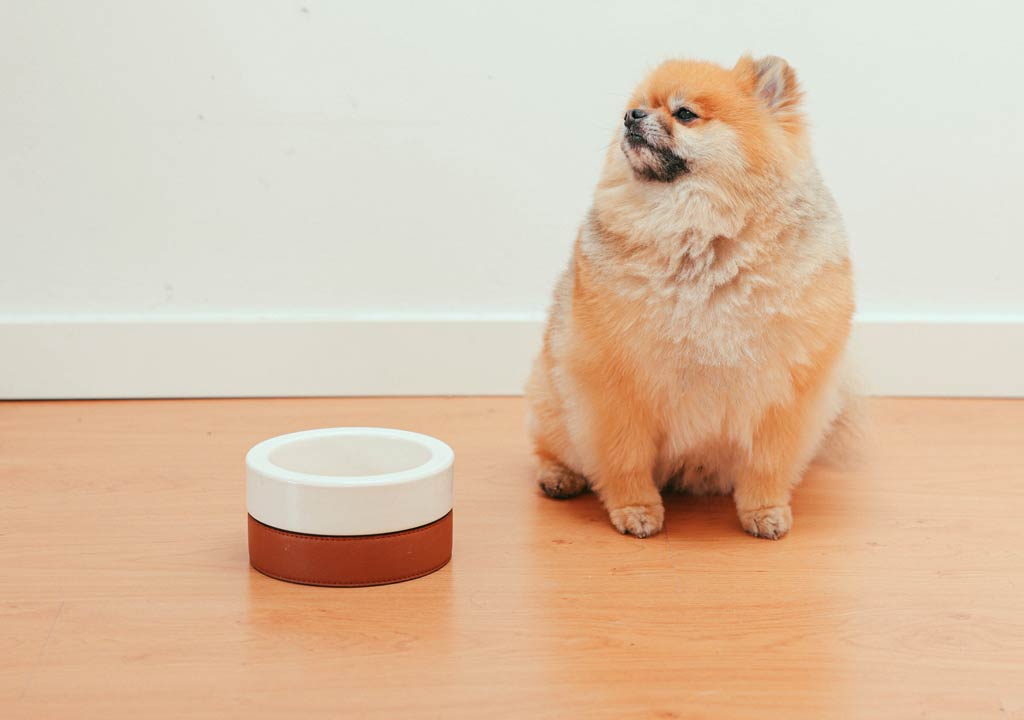
The designer dog bowl is more than a feeding tool. It is a small stage on which the drama of daily life plays out: a dog approaches, noses the rim, licks, and pauses for a moment of contentment; the owner mirrors a ritual of care, choosing the right moment to fill the bowl with nourishment or water; the bowl, crafted through centuries of ceramic technique and modern ergonomic thinking, supports both participants with elegance and reliability. When ceramic craft meets everyday usability, the result is a tool that nourishes body and spirit-a tiny sculpture that sits on the floor and, in its quiet way, elevates the ordinary into something memorable.
Designer bowls remind us that daily rituals can be slow, tactile, and beautiful. They invite us to slow down just a fraction, to notice the glaze's subtle warmth, the weight that steadies a head during a meal, and the quiet joy of a wagging tail as the dog approves of a well-made, well-loved object. In this convergence of artistry and practicality, we find a larger message: that objects we interact with every day can teach us to appreciate craftsmanship, to choose materials that endure, and to celebrate the small moments when life is both functional and beautiful. The art of designer dog bowls, at its best, offers more than nourishment-it offers a gentle invitation to live with intention, to honor the animal companions who enrich our days, and to fill our homes with objects that are as enduring as the memories they help create.
LIKED THIS ARTICLE? SHARE IT: