












Choosing the Right Dog Bowl: Material Matters for Durability and Comfort

Choosing the Right Dog Bowl: A Step-by-Step Guide for First-Time Pup Parents
Bringing a new puppy into your home is a wonderful, messy, joyful adventure. One of the first practical decisions you'll make is choosing the right bowl for feeding time. The right bowl supports healthy digestion, keeps messes to a minimum, and makes mealtimes a calmer routine for both you and your pup. This step-by-step guide is written for first-time dog parents who want clear, actionable advice, not hype or guesswork. By the end, you'll know what to look for, how to measure for your dog's needs, and how to set up a feeding space that works well in your home.
Note: Every dog is unique. If your puppy has special health concerns-like a predisposition to bloat, dental issues, or food sensitivities-consult your veterinarian for personalized recommendations. This guide provides general guidance and best practices that fit most puppies and adult dogs.
Step 1: Understand Your Dog's Needs
The foundation of choosing a bowl is understanding your dog's size, age, eating style, and any health considerations. Answer these questions to start:
- What is your dog's approximate weight and height? Larger dogs will generally need bigger bowls and possibly raised options, while toy breeds do better with smaller bowls to prevent overextension of the neck.
- Is your dog a fast eater or a slow eater? Fast eaters often benefit from slow-feed bowls or puzzle feeders to prevent gulping and bloating.
- Does your puppy have dental issues or sensitive gums? If so, a softer food or a mouth-friendly feeding approach may influence bowl choice (and food texture).
- Does your home have a dedicated feeding area or a cluttered space where a bowl could get knocked over? Anti-skid bases help in busy households.
- Is your dog a chewer or a rough handler of dishes? This can steer you toward more durable materials and sturdier designs.
Understanding these basics helps you select a bowl that fits your pup's daily routine and reduces the chance of spills, stress, or discomfort during meals.
Step 2: Choose the Right Material
The material of a dog bowl affects hygiene, durability, taste, and safety. Here are the most common options with their pros and cons:
Stainless Steel
- Pros: Extremely durable, non-porous (resists bacteria, odors, and staining), dishwasher-safe, and easy to sanitize. Many manufacturers offer 304-grade or 18/8 stainless steel for food use.
- Cons: Some dogs may develop a preference for the metal, and very cheap steel bowls can dent or rust over time if not cared for.
- Best for: Most dogs of all sizes; ideal if you want a long-lasting, easy-to-clean option.
Ceramic (Glazed) Bowls
- Pros: Heavy, less likely to be tipped over; can be visually appealing with color and patterns; easy to clean.
- Cons: Can chip or crack if dropped; some glazes may contain lead or cadmium in older or lower-quality wares; replacement is sometimes necessary after chipping.
- Best for: Dogs who are gentle with their bowls and households where a heavier bowl is helpful to prevent tipping.
Plastic Bowls
- Pros: Lightweight and inexpensive; available in a wide range of colors and shapes.
- Cons: Prone to scratching, which can harbor bacteria and odors; some dogs develop plastic allergies or mouth sensitivity; not as durable as stainless steel.
- Best for: Temporary use or travel bowls, and households on a tight budget-provided you replace scratched bowls regularly.
Tips for material selection:
- Prefer food-grade materials and verify dishwasher-safe labeling if you plan to wash bowls in a dishwasher.
- For puppies, a durable material that withstands chewing is wise-stainless steel or heavy ceramic is often best.
- Regularly inspect bowls for cracks, chips, or deep scratches; replace any bowl that shows damage to avoid bacteria buildup or injury.
Step 3: Decide on Size and Capacity
The right bowl size depends on your dog's weight, age, and typical daily portion. Here are practical guidelines to help you pick:
- Puppies: Start with smaller bowls (1-2 cups) that match their current portion size and can be easily managed by tiny mouths. As your puppy grows, you can transition to larger bowls. For very small breeds (under 10 pounds), a 1-2 cup bowl is often sufficient.
- Medium-sized dogs (20-50 pounds): A bowl in the 2-4 cup range works for most meals, especially if you feed twice daily. For dogs with larger appetites or higher energy needs, you may use 4-6 cup bowls.
- Large and giant breeds (50+ pounds): Bowls in the 6-8 cup range or larger help prevent constant refilling and ensure consistent portioning, particularly if the dog is fed multiple times a day.
Practical rule of thumb: choose a bowl that is big enough to hold a full serving for one meal plus a little extra, but not so large that your dog has to lean over a deep, wide bowl in an awkward position. For many dogs, a bowl with a depth that allows the dog to reach the food without having to bend the neck too far is ideal.
Also consider the design: shallow, wide bowls can be easier for dogs with long noses or sensitive facial structure, while deeper bowls are useful for dogs who prefer to scoop food toward the back of their mouth.
Step 4: Consider Bowl Features That Support Mealtimes
Beyond material and size, several features can improve feeding for many dogs. Choose based on your dog's habits and health needs.
Anti-Skid and Non-Slip Bases
- Keep bowls in place on tile or wood floors. Look for rubberized rings or weighted bases to reduce slipping and tipping, which helps keep feeding areas clean and reduces mess.
Raised vs. Standard Bowls
- Raised bowls: Elevate the bowl to a height that reduces neck strain and can aid digestion for some dogs, particularly larger breeds or dogs with arthritis. However, raised bowls aren't ideal for all dogs; some veterinary sources question whether raising bowls can contribute to bloating in deep-chested breeds in rare cases. If in doubt, discuss with your vet, especially for breeds known to have GI concerns.
- Standard bowls: Simpler and often easier for puppies who are learning eating rituals. They also free up space on the floor, which can be beneficial in smaller homes.
Slow-Feed and Puzzle Bowls
- For fast eaters, slow-feed bowls use internal ridges, mazes, or compartments that force the dog to eat more slowly. This can reduce gulping, vomiting, and bloating risk for some dogs.
- Puzzle feeders provide mental stimulation during mealtime. They're especially useful for highly energetic dogs who need enrichment. Start with simple puzzles and gradually increase difficulty as your dog learns.
Collar and Handle Considerations
- If you're teaching a puppy or an anxious dog, consider bowls with easy-to-grip rims or handles when you're washing or filling them. This can help you manage the bowl more easily during busy mornings.
Step 5: Optimize Space and Home Design
Where you place the bowl affects both cleanliness and your dog's eating experience. Consider these tips when setting up feeding stations:
- Quiet corner: Choose a calm, consistent spot away from high-traffic areas. A quiet corner reduces distractions and helps dogs settle during meals.
- Counter vs. floor: Most dogs feed best at floor level. Elevated surfaces reduce bending for some dogs, but floor-level bowls are usually easier for puppies to manage as they learn to eat and drink properly.
- Hygiene zone: Place bowls on a washable mat or tray to catch spills and make cleanup easier. Regularly clean the mat to prevent buildup of old food and bacteria.
- Storage and organization: If you use multiple bowls (water bowls, food bowls, and travel bowls), keep them in a designated area to simplify meal prep.
Also think about your routine. If you share indoor and outdoor spaces with other pets, you may want separate feeding areas to avoid competition or food guarding.
Step 6: Prioritize Cleaning and Hygiene
Healthy feeding starts with clean bowls. Here's a practical hygiene plan you can adopt:
- Daily: Rinse bowls after meals and wash with warm, soapy water. If possible, run the dishwasher for stainless steel or certain ceramic bowls that are labeled dishwasher-safe.
- Weekly: Inspect bowls for scratches or chips. Replace any bowl with deep scratches, cracks, or chips that can harbor bacteria or cause injury.
- Sanitation: For households with multiple pets or if a dog has an upset stomach, consider sanitizing bowls with a mixture of white vinegar and water or a pet-safe disinfectant, following product instructions.
- Water bowls: Clean and refill water bowls more frequently. Hydration is essential, and a dirty water bowl can discourage a dog from drinking.
Note: Avoid harsh cleaners or bleach that leave residues. Rinse thoroughly to ensure no soap film remains, which can upset sensitive stomachs.
Step 7: Budget, Durability, and Longevity
Bowls come in a range of price points, from inexpensive plastic to premium stainless steel or designer ceramics. Here's how to think about budgeting:
- Durability matters: Stainless steel and high-quality ceramic tend to last longer, especially with a growing puppy who may drool, lick, or chew. Invest in a bowl that will withstand daily use for years.
- Replacement costs: Plastic bowls may be cheaper upfront but can require more frequent replacement due to scratches and bacteria buildup. Stainless steel bowls often offer better long-term value.
- Note on warranties: Some bowls come with warranties-this can be a sign of durability and quality. Check if there's coverage for manufacturing defects.
- Style vs. practicality: A bowl that looks nice but is difficult to clean or prone to tipping might end up costing you more time and effort in the long run.
Set a realistic budget based on your home, the number of pets, and whether you want one set of bowls for all meals or separate bowls for water, food, and treats. A practical approach is to have at least two bowls per dog-one for food and one for water-with a backup set in case of spills or needs for quick cleaning.
Step 8: Special Considerations for Puppies
Puppies have different feeding realities from adult dogs. Here are puppy-specific tips to help you transition smoothly:
- Size and growth: Start with appropriately sized bowls and adjust as your puppy grows. You'll likely replace bowls several times during the first year as your puppy becomes a larger adult.
- Meal frequency: Puppies require more frequent meals, often three to four small meals per day. Use bowls that make it easy to portion small meals and avoid overfeeding at once.
- Chewing risk: Puppies explore with their mouths. If your puppy is a chewer, prioritize sturdy stainless steel or robust ceramic and keep plastic toys or brittle items away from their feeding space.
- Transitioning to adult bowls: As your dog grows, you may want to transition to a different bowl size or type. Do this gradually to minimize stress and ensure your dog maintains good eating habits.
With puppies, you'll also want to teach good feeding behavior early. Offer bowls in a calm, quiet corner and model a relaxed feeding routine so your puppy learns that mealtimes are safe and predictable.
Step 9: Common Mistakes to Avoid
A few common missteps can undermine even the best bowl choice. Here are pitfalls to watch out for-and how to avoid them:
- Choosing the cheapest option: A very cheap plastic bowl may lead to scratches and bacteria growth, and it's often not the best long-term value.
- Neglecting regular cleaning: Buildup of old food and bacteria can cause stomach upset and unpleasant odors.
- Ignoring your dog's eating style: If your dog eats too fast, avoid large, deep bowls that encourage gulping; opt for slow-feed designs or puzzle feeders.
- Forgetting water access: Many dogs drink less if water bowls are not frequently cleaned or are placed in a hard-to-reach spot.
- Choosing based on aesthetics alone: A bowl that looks great but is uncomfortable for your dog to use will create stress at mealtimes and may lead to picky eating.
Step 10: How to Test and Adjust
Once you've chosen a bowl, how do you know it's the right fit? Use a simple, practical test over the first two weeks, and be prepared to adjust as needed:
- Monitor eating pace: If your dog finishes too quickly or shows signs of gulping, consider a slow-feed bowl or a puzzle feeder. If they're still hungry after a full meal, you may need to adjust portion sizes rather than simply changing the bowl.
- Check for neck strain or posture issues: Observe how your dog eats. If they strain their neck or seem uncomfortable, consider a raised bowl height or a different bowl depth.
- Evaluate cleanliness: If you notice consistent odors or residue buildup, switch to a more easily cleaned material or adjust cleaning frequency.
- Assess stability: If the bowl slides or tips easily, add a non-slip mat or choose a bowl with a weighted base.
- Consider life stage changes: Puppies grow quickly-be prepared to upgrade bowls as their body proportions change. For aging dogs, re-evaluate if arthritis or dental issues affect feeding posture.
- Seek veterinary input when needed: If you notice persistent GI issues, dental concerns, or unusual eating habits, consult your veterinarian for tailored guidance.
The goal is a feeding setup that is comfortable, hygienic, and predictable. Small adjustments now can pay off in better digestion, better appetite, and a calmer mealtime routine as your pup grows.
Putting It All Together: A Quick Shopping Checklist
- Dog size and expected adult weight
- Eating style (fast vs. slow)
- Preferred material (stainless steel, ceramic, or high-quality BPA-free plastic)
- Bowls for food and water (and possibly a separate pump or slow-feeder for food)
- Anti-skid or weighted base
- Consider raised height if recommended by vet
- Dishwasher-safe labeling and easy cleaning
- Durability to withstand chewing or rough use (especially for puppies)
- Appropriate size/capacity for current needs with room to grow
- Calm feeding space and hygiene-friendly setup
Frequently Asked Questions (FAQ)
Q: Are raised bowls better for all dogs?
A: Not necessarily. Raised bowls can reduce neck strain for some dogs and help with digestion, but they aren't essential for every dog. Some dogs may prefer standard bowls, and extremely deep-chested breeds may have concerns about bloat risk-though research on this is mixed. If you have concerns, talk to your veterinarian about whether a raised feeder is appropriate for your dog.
Q: How often should I replace my dog's bowls?
A: Inspect bowls regularly for scratches, cracks, or chips. Replace immediately if you see wear that can harbor bacteria or pose a risk of injury. Stainless steel and high-quality ceramic bowls typically last longer than plastic, but all bowls benefit from routine cleaning and replacement when signs of wear appear.
Q: Can a dog's bowl affect its appetite?
A: In most cases, no. A bowl's material or design won't change appetite dramatically, but a comfortable, clean bowl reduces stress around meals and supports healthy eating habits. A dirty or uncomfortable bowl can turn mealtime into a frustrating experience for your dog.
Q: Should I use one bowl for food and water?
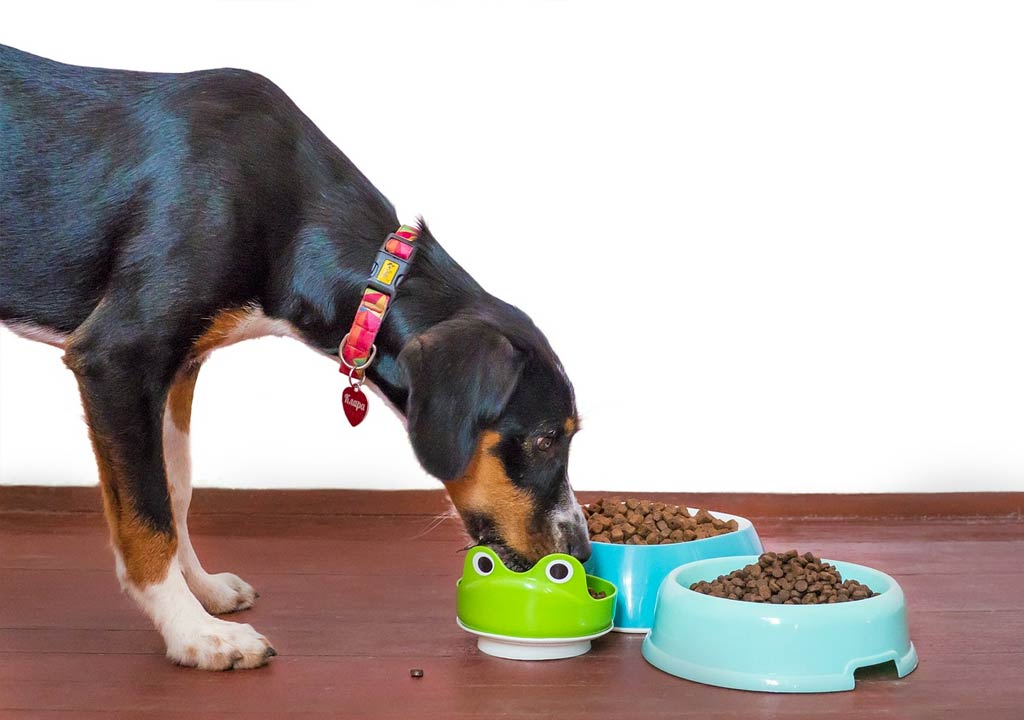
A: It's common to have separate bowls for food and water. This helps keep water clean in hot weather or after meals and reduces the risk of contamination from food particles. If you have limited space, two bowls of different heights and purposes can be arranged side by side.
Conclusion: Turn Mealtimes into a Simple, Healthy Routine
Choosing the right dog bowl is more than an aesthetic choice-it's a practical decision that impacts your puppy's comfort, digestion, and overall happiness. By considering your dog's size, eating style, and health needs, you can select a material that's durable and easy to clean, a size that fits current and future needs, and features that reduce mess and promote good eating habits. A well-chosen bowl helps you create a calmer, cleaner, and healthier feeding routine, which is one of the most important and often overlooked parts of pet care for first-time pup parents.
Remember: the best bowl for your dog is the one that supports their comfort and health today and stays reliable as they grow. Start with the basics-material, size, and anti-skid features-and then tailor your choice with the help of your veterinarian if needed. With a thoughtful approach to bowls and feeding, you'll set up a strong foundation for your pup's well-being and for your peace of mind as a new guardian of a furry family member.
LIKED THIS ARTICLE? SHARE IT: