






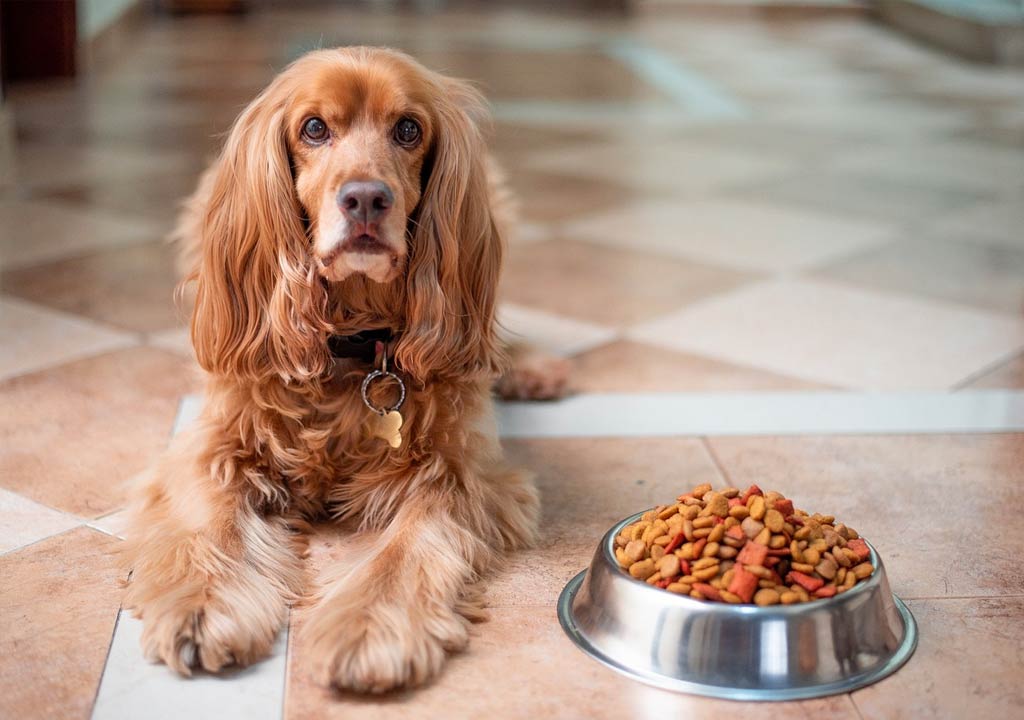
Elevated vs Standard Dog Bowls: Pros, Cons, and How to Decide

How to Choose the Right Dog Bowl Size for Your Dog
Choosing the right dog bowl size isn't just about finding something that fits on the kitchen floor. The size, shape, and depth of a bowl can influence how your dog eats, how comfortable they are during meals, and even how well they digest their food. If you've ever watched a dog gobble down a meal and then chase it with a few extra bites off the floor, you know that the "right" bowl size can make a surprising difference in health, happiness, and everyday routine. In this guide, you'll find a practical, evidence-informed approach to picking the perfect bowl size for your dog, with simple steps, real-world examples, and tips you can apply today.
Why the Right Bowl Size Matters
The size of your dog's bowl affects a few key areas of canine well-being:
A bowl that's too small forces your dog to push food around the edges or gulp down from awkward angles, which can lead to coughing or indigestion. A properly sized bowl helps keep meals calm and steady. Some dogs swallow quickly when a bowl is undersized or shallow. Slow-feeder designs and appropriately sized bowls encourage slower, more controlled eating, which can reduce the risk of bloat in susceptible breeds. For dogs with jaw issues or dental sensitivity, the right depth and reach reduce stress on the facial muscles during meals. A bowl that's too large may invite food to spill or be pushed around the bowl's rim, creating messes. A bowl that fits the portion well tends to stay tidier and easier to clean.
Ultimately, a well-sized bowl supports not just a clean kitchen but also a healthier relationship with meals. It helps your dog feel secure at feeding time, which for many dogs translates into better appetite control and calm behavior during and after meals.
Understanding What "Bowl Size" Really Means
When people talk about bowl size, they usually mean one of three things:
- Volume capacity: how much kibble or wet food the bowl can hold. This is usually measured in cups or milliliters.
- Diameter and depth: the width (opening) and the vertical height influence how food settles, how neck posture feels while eating, and how easy it is to reach the food.
- Shape and interior design: a shallow, wide bowl can reduce whisker contact for some dogs, while a deep, narrow bowl might be better for others or for hydration-focused setups. Some bowls incorporate slow-feed ridges or mazes to slow down fast eaters.
All three aspects matter. A bowl's capacity must align with the day-to-day portion you feed, while the diameter and depth should fit your dog's body size and eating style. A great-fitting bowl balances capacity with ergonomics, making mealtimes smoother and more predictable.
Step 1: Find Your Dog's Daily Food Intake
The starting point for choosing a bowl is understanding how much food your dog eats in a day. This is usually stated on the dog food packaging as a daily recommended amount, often given in cups, grams, or ounces. If you're using more than one brand or mixing wet and dry foods, you'll need to estimate a combined daily amount.
Here's a simple approach:
- Check the current dog food bag for "recommended daily feeding amount" or "calorie guidelines." Note the number of cups (or grams) per day for your dog's weight, age, and activity level.
- If you're feeding wet food in addition to kibble, estimate the daily total by combining dry portion and wet portion. For example, you might have 1 cup of dry kibble plus half a can of wet food per day, depending on the product's feeding chart.
- Consider life stage and activity. An active or working dog may require more calories than a sedentary senior, and puppies often need more calories per pound of body weight than adults.
- When in doubt, ask your veterinarian or a veterinary nutritionist to tailor portions to your dog's needs.
Once you know the daily amount, you can easily derive the per-meal portion based on how many meals you feed per day. The most common feeding patterns are two meals per day (morning and evening), but some owners prefer three meals or free feeding. The per-meal portion will look different depending on this schedule.
Step 2: Determine Per-Meal Portions
Most dogs are fed twice daily, but some dogs thrive on three smaller meals or a single larger meal. To calculate per-meal portions:
- Decide how many meals you feed per day (2, 3, or 1).
- Divide the daily amount by that number of meals. For example, if your dog needs 2 cups of dry food daily and you feed twice daily, that's 1 cup per meal.
- Account for moisture in wet foods. Wet food adds volume without increasing the dry kibble's "cup" measurement. If you're mixing wet and dry, measure accordingly-some owners convert all food to a consistent unit (grams) for accuracy.
Tip: It's helpful to measure portions with a standard measuring cup at least for a week or two. This builds a reliable baseline that you can rely on when you switch foods or adjust activity levels. Note that the size of a "cup" can vary by country (US customary cup is 8 fluid ounces, but dry dog food cups may weigh differently). When in doubt, measure by weight (grams) rather than volume, and you'll have a consistent reference.
Step 3: Choose a Bowl with Adequate Capacity
With your per-meal portion established, you can pick a bowl that comfortably holds that amount and leaves some headroom. A practical rule of thumb is to select a bowl whose capacity is at least 25-50% larger than the per-meal portion. This extra space serves several useful purposes:
- Prevents overfilling when you add water to moisten dry food or to mix in supplements.
- Accommodates any minor fluctuations in portioning from meal to meal.
- Reduces the chance of spillage if your dog nudges the bowl or while you're cleaning up after meals.
For example, if your dog's per-meal portion is 1 cup, a bowl that holds 1.25-1.5 cups is typically a good fit for a standard dry-food meal. If you feed a high-moisture diet or mix in supplements, you might opt for a bowl closer to 2 cups to allow extra space for moisture and add-ins.
In some cases, you might prefer a bowl that holds two to four cups per meal. This is common for larger dogs or for dogs that eat slowly with a slow-feeder bowl. The important thing is to ensure the bowl isn't so large that your dog is tempted to "snack" around the edges or that it becomes awkward to reach the food from their usual eating stance.
Consider Your Dog's Eating Style
Eating speed and behavior are significant when choosing a bowl size and type. Here are common patterns and how bowl size intersects with them:
- Fast eaters: If your dog gulps food, consider a slow-feeder bowl with internal ridges or a maze design. You can pair these with a per-meal portion that fits within the bowl's capacity to prevent overflow as the dog slows down.
- Hoarding or scavenging: Some dogs try to drag food out of the bowl or push it around. A bowl with a stable base or a raised edge can help keep the meal contained and reduce mess.
- Whisker fatigue concerns: For dogs (and cats) sensitive to whisker pressure, a shallower, wider bowl can reduce contact with the sides. This is more of a quality-of-life factor than a medical issue, but many owners report calmer mealtimes with a wider design.
- Arthritic or elderly dogs: Raised or tall bowls reduce strain on the neck and shoulders, making it easier for them to eat without bending down too far. The bowl size should still fit the dog's head and neck comfortably so they can reach the food without craning.
In practice, a fast eater might do well with a medium-sized slow-feeder bowl that accommodates their per-meal portion, while a small, elderly dog might benefit from a short, wide bowl to minimize neck strain and whisker contact.
The Shape and Depth: Does It Matter?
Yes, shape and depth influence both comfort and portion control. Consider these points when evaluating bowl shapes:
- Diameter: A wider opening makes it easier for dogs with broad muzzles to access food without pushing against the sides, while a narrow opening can help keep the food contained in smaller dogs or dogs that push their food forward with their noses.
- Interior design: A plain bowl works well for most dogs; a maze or ridge design slows down fast eaters and can be combined with an appropriate portion size for even more control of eating speed.
When possible, observe your dog during meals with a new bowl. If you notice discomfort, spillage, or unexpected behavior, it's a sign that you might need to adjust either the size, depth, or shape to improve the feeding experience.
Materials, Hygiene, and Durability
While not part of "size" per se, the material can influence how you perceive capacity and how easy the bowl is to keep clean, which can influence the choice of size and design in practical terms.
Durable, dishwasher-safe, and easy to clean. Stainless steel bowls are a common choice for any size and are generally resistant to scratches that harbor bacteria. These can improve comfort for some dogs and, when paired with the right size, help maintain posture during meals for arthritic or older dogs.
Hygiene is the reason many owners choose stainless steel or ceramic over plastic. Regardless of material, wash bowls daily, rinse thoroughly, and ensure they're completely dry before refilling. A simple, regular cleaning routine helps prevent odor buildup and keeps meals appealing for your dog.
Size by Breed and Life Stage: Quick Guidelines
While every dog is unique, you can use these rough guidelines to pick a starting point based on weight and life stage. Remember that activity level, metabolism, and diet type can shift these numbers, so use them as a baseline and adjust as needed.
Per-meal portions often range from 0.25 to 0.75 cups, depending on the dog's activity. A bowl capacity of about 1-1.5 cups per meal is typically adequate for two meals per day, with a potential for a 1-cup slow-feeder bowl for portion control if needed. Per-meal portions commonly fall in the 0.75-2 cups range. A bowl in the 1.5-3 cup capacity zone usually works well, with a slow-feeder option for dogs who eat quickly. Per-meal portions often land around 2-4 cups. A bowl offering 3-5 cups of capacity provides ample headroom while preventing overfill or spillover, especially if you add water or wet food. Per-meal portions can exceed 4 cups. In these cases, consider bowls with higher capacity (4-6+ cups) and, if requested, a raised design to reduce neck strain during meals.
These are not hard rules. The right bowl for a particular dog depends on the dog's eating speed, posture during meals, whether the dog is fed wet or dry food, and the household's preference for raised versus on-floor bowls. Use these guidelines as starting points and adjust after observing your dog during meals for a week or two.
Practical Scenarios: Examples to Help You Decide
Here are three representative scenarios to illustrate how you might choose bowl size in real life. Use them as templates for your own dog's needs.
Scenario A: Lulu the 12-lb Corgi (two meals per day, dry kibble only)
Daily dry food amount on her bag: 1.4 cups. Per-meal portion (two meals per day): 0.7 cups. Recommendation: a bowl capacity of around 1.0-1.5 cups for each meal gives enough headroom and reduces spill risk. If Lulu tends to push the kibble around, you might opt for a shallow, wide bowl with a 1.5-cup capacity and a non-slip base to prevent tipping.
Scenario B: Max the 55-lb Labrador (two meals per day, dry kibble + occasional wet food)
Daily dry food: 2.5 cups. Per-meal portion (two meals): 1.25 cups. If you add water or wet food, a bowl with 2-3 cups capacity per meal is comfortable, or you can use two bowls-one for dry, one for wet-if you mix meals. A raised slow-feeder bowl that holds about 2-3 cups is a good balance for Max's size and eating pace.
Scenario C: Daisy the 95-lb mixed-breed (three meals per day, mostly dry with soft additions)
Daily intake: 4.5-5 cups. Per-meal portion (three meals): about 1.5 cups per meal. Choose a bowl that can hold at least 2-3 cups per meal to keep moisture and extras contained. A wide, shallow stainless steel bowl around 2-3 cups capacity paired with a slow-feeder insert can help manage a slower, steadier pace without overstuffing a too-deep bowl.
These examples demonstrate how meal frequency, food type, and dog size influence your bowl choice. The key is to ensure the per-meal portion fits comfortably within the bowl's capacity, leaving some space to prevent spills and accommodate any moisture you add.
Raised Bowls, Orthopedic Considerations, and Accessibility
Raised feeding dishes can be especially helpful for dogs with arthritis, neck or back issues, or long-bodied breeds. A raised bowl set can reduce neck extension and shoulder strain, potentially improving mealtimes and digestion. When selecting raised bowls, ensure:
- The height allows your dog to eat with a natural, comfortable head posture without having to excessively tilt or bend their neck.
- The bowl's diameter is wide enough so the dog's muzzle can access the food without bumping into the sides.
- The base is stable and non-slip to prevent sliding and tipping on slick floors.
For some dogs, a combination approach works well: use a raised bowl for daily meals and a secondary, low bowl for water. Hydration is essential, and many dogs drink more readily when water bowls are easy to access and keep clean.
Measuring and Adjusting Over Time
Your dog's needs can change with age, weight gain or loss, pregnancy, or changes in activity level. A bowl that was perfectly sized six months ago might need adjustment now. Here are practical steps to ensure your bowl stays a good fit:
If your dog has gained or lost weight, recalculate daily food requirements with your veterinarian or using the food's feeding chart, then adjust per-meal portions and confirm your bowl still accommodates that portion comfortably. If meals become messier, your dog is coughing, or you notice more rapid swallowing, consider switching to a wider or shallower bowl, or adding a slow-feeder element to reduce gulping. If you switch to a wetter diet or increase moisture in meals, you might need a larger bowl or a separate space for water to prevent overflow and keep the eating area neat.
Consistency helps. After adjusting, give it a couple of weeks to observe how your dog adapts before making further changes.
Common Pitfalls and Quick Tips
To help you avoid common mistakes, here are quick, practical tips you can apply now:
On slippery surfaces, even a well-sized bowl can wander. Choose bowls with non-slip bottoms or place a mat under the bowl to keep it steady during meals. If your dog tends to eat with a hunched neck, a raised bowl may help. If your dog is smaller and more compact, a low-profile bowl is often better. Always measure portions with a proper measuring cup or a kitchen scale when possible. This ensures accuracy across meals and foods, especially when mixing brands or wet and dry foods. Water bowls are often better placed away from the food bowl to encourage steady hydration without contamination from food particles. Consistency in meal times helps digestion and appetite regulation. A predictable routine supports your dog's overall health and well-being.
A Quick Reference Checklist
Use this quick checklist to verify you've chosen a sensible bowl size for your dog:
- Know your dog's daily food amount from the feeding chart on the bag or from your vet.
- Decide on meals per day (2, 3, or 1) and calculate the per-meal portion.
- Select a bowl with capacity at least 25-50% larger than the per-meal portion, adjusting for dry vs wet food and any moisture added.
- Consider your dog's eating style; choose a slow-feeder or shallow bowl if needed.
- Account for posture and health needs; consider raised bowls for neck/back comfort if appropriate.
- Choose durable material and ensure easy cleaning to maintain hygiene.
- Observe and adjust after 2-4 weeks based on behavior, spills, and digestion.
Putting It All Together: Your Personal Plan
Here's a simple plan you can implement this week to ensure you're using the right bowl size for your dog:
- Check current feeding guidelines on your dog's food bag and note the recommended daily amount.
- Decide how many meals you'll feed per day (two meals is most common for adults). Calculate per-meal portions.
- Choose a bowl that holds at least 25-50% more than the per-meal portion; consider slow-feeder options if your dog gulps.
- Try a shallow, wide bowl if your dog has whisker sensitivity or a neck/arthritis issue. If your dog is an eager eater, pair the bowl with a stable anti-slip base.
- Prefer stainless steel or ceramic for hygiene and longevity, and clean the bowls daily.
- Evaluate after two weeks and adjust as needed. If you notice spills, coughing, or discomfort, it's time to try a different size or design.
Conclusion: A Small Change That Matters
Choosing the right dog bowl size is a practical, tangible step you can take to improve your dog's eating experience and overall health. A bowl that fits your dog's daily portions, accommodates their eating style, and suits their anatomical needs can reduce mess, support digestion, and make mealtimes more enjoyable for both of you. Start with your dog's daily food amount, calculate a thoughtful per-meal portion, and select a bowl with appropriate capacity and ergonomic features. Then observe, adjust, and enjoy the quiet confidence that comes from knowing your dog is eating from a bowl that was thoughtfully chosen for them.
If you'd like, tell me about your dog's weight, age, and typical daily portions, and I can help you estimate a specific bowl size. I can also suggest a few bowl designs that align with your dog's eating style and any health considerations you're managing.
Happy feeding, and may every meal be a calm, comfortable, and satisfying moment for your four-legged friend.
LIKED THIS ARTICLE? SHARE IT: