
















How to Pick the Perfect-Sized Dog Bowl for Your Dog

Stainless Steel vs Ceramic: Choosing the Right Dog Bowl for Durability and Cleanliness
Choosing a dog bowl might seem like a simple task, but the material you pick can influence how long the bowl lasts, how easy it is to keep clean, and even your dog's eating experience. Stainless steel and ceramic are two of the most popular options on the market, each with its own set of advantages and trade-offs. In this blog post, we'll dive into durability, hygiene, safety, and everyday practicality to help you decide which material is right for your canine companion and your household.
Durability: How the Material Stands Up to Use
One of the most important considerations when choosing a dog bowl is how well the material stands up to daily wear and tear. Dogs can be enthusiastic eaters, especially during meal times or when they're excited by a treat. Here's how stainless steel and ceramic typically hold up in real life:
Stainless steel is celebrated for its toughness. Heavy-gauge stainless steel bowls-often labeled as 18/8 or 18/10 (referring to about 18% chromium and 8-10% nickel)-offer excellent resistance to bending, denting, and everyday abuse. They're hard to crack and far less likely to break if knocked off a table, dropped, or chewed by a determined pup. In households with messy eaters or dogs who like to flip bowls, stainless steel often survives rough treatment with minimal cosmetic damage. Some high-end options even feature reinforced rims or double-walled construction for extra durability and insulation.
However, no material is indestructible. Stainless steel bowls can develop scratches over time. Deep scratches may harbor bacteria if not cleaned properly, and if a bowl is repeatedly dropped onto a hard surface, the rim can dent or warp. Still, with regular use and proper care, stainless steel tends to outlast many other materials. A bowl that's rust-resistant and made of quality stainless steel will typically serve multiple years, even in households with multiple pets.
Ceramic bowls, including stoneware and earthenware, are traditionally sturdy but can be more fragile than stainless steel. Ceramic is fired at high temperatures and glazed, which gives it a heavy, solid feel. In a calm home where bowls are placed on sturdy surfaces and handled gently, ceramic can be perfectly durable. But ceramic is inherently more prone to chipping and cracking if dropped, knocked over, or banged against hard surfaces. If you have a clumsy eater or a dog that likes to nose around bowls, there's a higher risk of chips or cracks accumulating over time. Glazed ceramic is non-porous when intact-great news for hygiene-but a chip can expose porous, unglazed areas that make cleaning more challenging and may harbor bacteria.
In terms of weight and stability, ceramic bowls tend to be heavier than stainless steel, which can be an advantage for preventing tipping (especially with larger dogs) but a disadvantage on travel or in small apartments with limited storage space. Some ceramic bowls also come with non-slip bases to reduce sliding, but the anti-slip feature on stainless steel bowls-often a silicone ring or rubber feet-tends to be more robust and reliable for keeping the bowl in place during meals.
Cleanliness and Hygiene: What Happens Under the Surface
Keeping your dog's bowl clean is essential for preventing bacterial growth and potential health issues. The material you choose influences how easy it is to sanitize and how likely it is to harbor germs between washings.
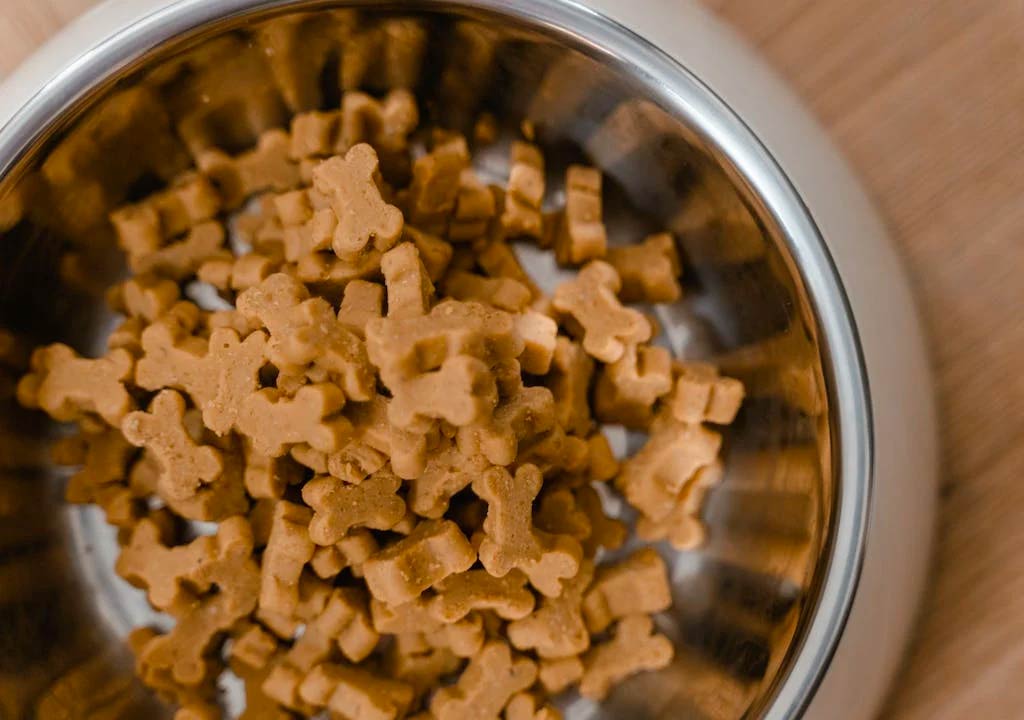
Stainless steel is a non-porous metal, which means it doesn't absorb food particles or liquids. That makes it highly resistant to staining and bacterial penetration. When properly cleaned, stainless steel bowls are among the most hygienic options. They're typically dishwasher-safe, and many veterinarians and pet care experts recommend stainless steel for this reason. Brushed finishes or satin finishes can show fewer water spots and smudges, while mirror finishes might show more fingerprints but are still easy to sanitize with standard cleaners.
Maintenance tips for stainless steel to maximize cleanliness include:
- Wash daily, ideally in hot soapy water or in the dishwasher, to remove food residues.
- Use a bottle brush or sponge to reach the inside corners and the bottom where grime can accumulate.
- Inspect the bowl for scratches. Deep scratches can harbor bacteria; if a bowl is heavily scratched, consider replacing it.
- Rinse thoroughly to remove all soap residue, which can deter your dog from finishing their meal if left behind.
- If you use a nail brush or abrasive pad, avoid harsh abrasives that could dull finishes or create micro-scratches where bacteria hide.
Ceramic bowls can be just as clean, but their non-porous glaze is only as strong as the glaze itself. A well-glazed ceramic bowl is resistant to penetrating moisture and stains, making it fairly hygienic. The risk, however, lies in chips or cracks within the glaze. A chipped glaze can create tiny crevices where bacteria accumulate. If you notice cracks or a dull glaze, it's wise to replace the bowl. Additionally, ceramic is generally dishwasher-safe, but if your dishwasher uses aggressive drying cycles or high heat, it can stress glaze over time and increase the chance of crazing (fine cracks in the glaze).
Another practical hygiene note: glaze safety. Modern ceramic glazes used in pet bowls are designed to be food-safe and free of lead and cadmium. However, it's smart to buy from reputable brands and verify that the glaze is certified for food contact and pet use. When in doubt, check the product specifications or opt for bowls explicitly labeled as lead-free and cadmium-free.
In short, stainless steel tends to be the easier material to clean consistently and sanitize thoroughly, especially in households with multiple pets or busy feeding routines. Ceramic offers excellent hygiene when intact but requires careful inspection for chips and cracks and mindful handling to avoid damage that could compromise cleanliness.
Safety and Health Considerations: Allergies, Toxins, and Comfort
Beyond durability and cleanliness, safety and health considerations are essential. Your choice should align with your dog's health needs, any allergies, and practical concerns like dishwasher use and outdoor exposure.
Allergies and sensitivities. Some dogs may have sensitive skin or allergies that manifest around the mouth or chin. The smooth surface of stainless steel is generally gentle on the skin and easy to wipe, which helps minimize irritation caused by residue on the bowl surface. Ceramic can also be gentle, but if a glaze chip exposes rough edges, it could irritate a dog's chin or whisker lines. For dogs with sensitive gums or dermatitis, a bowl that's easy to clean and free from rough edges is especially important.
Nickel and metal concerns. Most reputable stainless steel dog bowls use food-grade alloys such as 18/8 (304) stainless steel, which includes nickel. For dogs with nickel sensitivities (rare but possible), there are nickel-free options or bowls marketed as hypoallergenic. If your dog has shown skin irritation around a metal bowl in the past, you may want to look for a high-quality, nickel-tested stainless steel bowl or consider a ceramic option instead.
Glazes and toxins in ceramic. The primary safety concern with ceramic is glaze quality. As mentioned, modern pet ceramics should be lead- and cadmium-free. If you're shopping second-hand ceramic bowls, it's wise to test for glaze safety or avoid older wares that may not meet current standards. When in doubt, buy from trusted brands that provide safety certifications and clearly label the product as non-toxic for pets.
Chewing and safety for curious dogs. Some dogs, especially puppies or doggy chewers, may chew on bowls. Stainless steel is virtually impossible to chew through, whereas ceramics can be chipped or broken by strong chewing. A damaged ceramic bowl can have sharp edges that pose a risk to your dog's mouth. If your dog has a habit of chewing, stainless steel is generally the safer long-term bet. If you opt for ceramic, supervise early use and replace if you notice any chips or cracks.
Slips and spills. A bowl that slides around can cause food waste and potential choking if the dog bites at a moving target. Stainless steel bowls frequently come with anti-slip bases, silicone rings, or weighted bottoms. Ceramic bowls can also feature non-slip grips, but you may need to add a separate rubber mat to keep them stationary. Slippage also contributes to cleanliness concerns-spilled water and food can create soggy messes and attract pests.
Practical Scenarios: Matching Bowls to Your Dog's Size and Lifestyle
Choosing between stainless steel and ceramic also depends on your dog's size, eating style, and daily routine. Here are some common scenarios and how each material fares:
Big dogs with serious appetite or messier eaters. For large breeds or dogs that push bowls around or scatter kibble, stainless steel with a wide, heavy base is often the better option. The weight reduces tipping, and the ability to ruggedly withstand bumps helps maintain a tidy feeding area.
Small dogs or puppies. For tiny mouths, both materials can work, but a smaller ceramic bowl might be aesthetically pleasing and easy to handle for a caregiver. Just ensure the bowl is light enough to lift and not prone to breaking if dropped. A stainless steel option with a low profile and a non-slip base can be particularly practical for small dogs who are prone to tipping.
Senior dogs or dogs with dental issues. Elevation can reduce neck strain and improve comfort during feeding. Raised bowls in stainless steel are common and can be adjusted for height. Ceramic raised bowls exist as well but tend to be heavier. If your senior dog drinks water quickly, consider a slow-feed or weighted bowl to reduce gulping and splashing.
Travel and outdoor use. If you travel a lot or hike with your dog, stainless steel bowls are typically more durable and less prone to breakage in transit. They're often a better choice for crates and car travel due to their resilience. Ceramic bowls, while beautiful, are heavier and more fragile in transit.
Multi-pet households. If you feed multiple pets, stainless steel bowls with distinct colors or shapes can prevent cross-use and confusion. Stainless steel is easy to sanitize between meals and can be swapped quickly during busy mornings. Ceramic bowls for each pet can also work, but you'll want to ensure they are labeled and kept separate to avoid mix-ups and to minimize the chance of accidental sharing of bowls during feeding.
Maintenance and Cleaning: Easy Care for Long-Term Use
Maintenance is a big part of the decision, because a bowl that's easy to clean saves time and ensures better hygiene over time.
Cleaning stainless steel bowls is straightforward. Most stainless steel bowls are dishwasher-safe, but you should always check the manufacturer's instructions. If washing by hand, hot water and dish soap with a non-abrasive sponge usually do the trick. For stubborn residues like yogurt or peanut butter, a brief soak followed by a thorough rinse can help. Periodically, you can use a mild baking soda paste to scrub tough spots and deodorize bowls. Drying thoroughly after washing helps prevent water spots and keeps the interior pristine.
Tips to maximize stainless steel longevity and cleanliness:
- Avoid abrasive cleaners that can scratch the interior surface.
- Inspect for dents and scratches regularly; replace if deep scratches appear.
- Pair with a stable, non-slip base to reduce movement and spillage.
Cleaning ceramic bowls often involves similar steps, with emphasis on inspecting glaze integrity. You can typically put ceramic bowls in the dishwasher, but avoid extreme temperature changes that could cause cracking. If you hand-wash, a soft cloth or sponge with mild soap is ideal. For stubborn stains, a paste of baking soda and water can be effective-test on a small area first to ensure it won't dull the glaze. Dry completely to prevent moisture buildup that could lead to mold in any cracks or porous areas.
Maintenance reminders for ceramic bowls:
- Look for chips, cracks, or glazing imperfections regularly; replace if any significant damage is found.
- Avoid sudden temperature changes (hot water after cold water) to minimize stress on the glaze.
- Consider using a separate, non-slip mat to keep the bowl stable and reduce chance of cracking if bumped.
Cost, Availability, and Aesthetics: Balancing Form with Function
Price and appearance can also influence your decision. Stainless steel bowls are typically affordable, durable, and widely available. You'll find a wide range of sizes, thicknesses, and base designs, from simple, utilitarian options to stainless steel bowls with silicone rims and attractive finishes. Because they're common, replacement parts and accessories (like silicone mats and adjustable stands) are easy to source.
Ceramic bowls come in a broad spectrum of styles, colors, and patterns. If you value aesthetics-matching kitchen décor or feeding stations with a specific look-ceramic can be a strong choice. The trade-off is that ceramics can be pricier per unit and, as noted, more vulnerable to chips. For households that want a "look" as well as function, ceramic bowls with coordinating stands or decorative glazes can offer satisfying style without sacrificing performance, provided you handle them with care.
From a practical standpoint, if you're choosing for a multi-pet home or for households with active dogs, you might lean toward stainless steel for its durability and ease of cleaning. If you're prioritizing style and you're comfortable with careful use and inspection, ceramic can be a lovely, sturdy option as long as you're mindful of the potential for chips and cracks.
Choosing the Right Bowl: A Quick, Actionable Guide
To help you quickly decide which material fits your lifestyle, here's a practical checklist you can use when shopping:
- Dog size and strength: Larger, stronger dogs benefit from heavy-gauge stainless steel bowls with a stable base. Small dogs can tolerate either material, but consider weight and ease of handling.
- Eating style: If your dog tends to push bowls around, opt for a non-slip base (often silicone) or a heavier bowl that stays put.
- Daily cleaning routine: If you want a low-maintenance option, stainless steel is typically the easiest to sanitize and keep free of odors.
- Travel and durability needs: Stainless steel is generally better for travel and outdoor use due to its resilience.
- Aesthetics and home décor: If you want a bowl that complements your kitchen or dining area's look, ceramic can provide a more decorative option, provided you're okay with careful handling.
- Allergies and sensitivities: If your dog has known metal sensitivities, consider ceramic or a nickel-free stainless steel option and verify product safety certifications.
- Budget and replacement cycles: Stainless steel usually offers greater longevity for the price, while ceramic may require more careful handling and potential replacement costs if chips occur.
Myths and Misconceptions About Dog Bowls
As with any pet product, there are a few common myths worth addressing:
- Myth: Stainless steel always rusts. Reality: High-quality stainless steel used in pet bowls is highly resistant to rust. Look for bowls labeled "rust-resistant" or "18/8 stainless steel" for best results.
- Myth: Ceramic bowls are indestructible. Reality: Ceramics can chip or crack if dropped or knocked. Check for glazing quality and inspect regularly.
- Myth: All ceramic glazes are unsafe. Reality: Most modern ceramic glazes used in pet bowls are lead- and cadmium-free, but it's wise to buy from reputable brands and verify safety certifications.
- Myth: One material is always superior. Reality: The best choice depends on your dog's behavior, lifestyle, and your maintenance preferences.
Real-World Tips from Pet Owners
What works for one household might not for another. Here are some practical tips drawn from pet owners who have used both stainless steel and ceramic bowls:
- Use a non-slip mat or a raised stand to reduce sliding with both materials, especially for puppies and dogs who push dishes during meals.
- Rotate bowls for variety. Some dogs enjoy alternating between materials, which can also help with routine cleaning by distributing wear and reducing the chance of bacteria buildup in a single bowl.
- Label individual bowls in multi-pet households to prevent mix-ups and ensure each dog gets the right portions and food types.
- Inspect bowls weekly for chips, cracks, or dull finishes. Replace damaged bowls promptly to prevent injury or hygiene issues.
- For dogs with sensitive mouths or picky eating habits, consider a bowl with a shallow, wide mouth to reduce whisker fatigue and make eating more comfortable.
Conclusion: Making the Right Choice for Durability and Cleanliness
In the stainless steel vs ceramic debate, there isn't a one-size-fits-all answer. Both materials offer notable benefits that can align with different dogs, households, and priorities. If durability, ease of cleaning, and long-term value are your top priorities, stainless steel is typically the more practical pick, especially for larger dogs, rough eaters, and households with multiple pets. If you're drawn to aesthetics, are careful with handling, and want a ceramic bowl that complements your décor, ceramic can be a beautiful and reliable option-provided you keep an eye out for chips and cracks and choose a glaze that's certified safe for pets.
Ultimately, the right dog bowl should be a blend of form and function: a material that stands up to daily life, keeps foods and water clean, feels comfortable for your dog to use, and fits your home's lifestyle. By considering durability, hygiene, safety, and maintenance, you can choose a bowl that serves your dog well for years to come. And remember that the best bowl is the one you consistently clean, store safely, and use with the care your furry friend deserves.
What I Recommend for Different Scenarios
To help you take action, here are concise recommendations based on common scenarios:
- Family with multiple dogs and busy mornings: Choose stainless steel bowls with a sturdy, non-slip base. Easy to sanitize and unlikely to break if bumped.
- Minimalist home, high aesthetic priority: Ceramic bowls with clean glazes and matching stands can elevate your feeding station, as long as you're comfortable with gentle handling and occasional replacement if chips occur.
- Home with puppies or dogs that chew: Stainless steel is the safer bet to resist chewing and prevent hazards from broken ceramic edges.
- Dogs with sensitive mouths or skin: Both materials can work; prioritize bowls with smooth interiors and easy-to-clean surfaces. If nickel sensitivity is a concern, verify alloy composition and safety certifications.
- Traveling or crate use: Stainless steel collapsible or lightweight bowls are convenient and durable for on-the-go meals and crate setups.
In the end, the decision may come down to a balance between practicality and personal preference. Both stainless steel and ceramic bowls can keep your dog healthy, happy, and well-fed when cared for properly. By understanding the durability and cleanliness aspects of each material-and by applying simple maintenance practices-you can make a confident choice that works for your dog's size, eating style, and your household routine.
LIKED THIS ARTICLE? SHARE IT: