






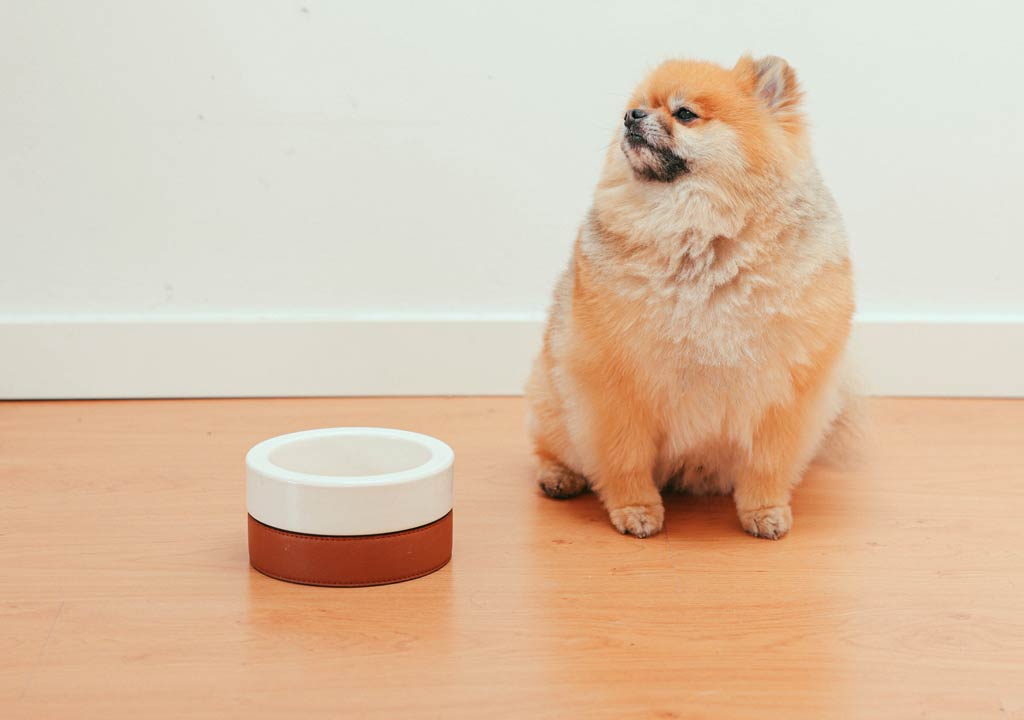
Hydration and Nutrition: How Water and Different Foods Fit Together

Hydration and Mealtimes: Tips to Keep Your Dog Well-Hydrated During Feeding
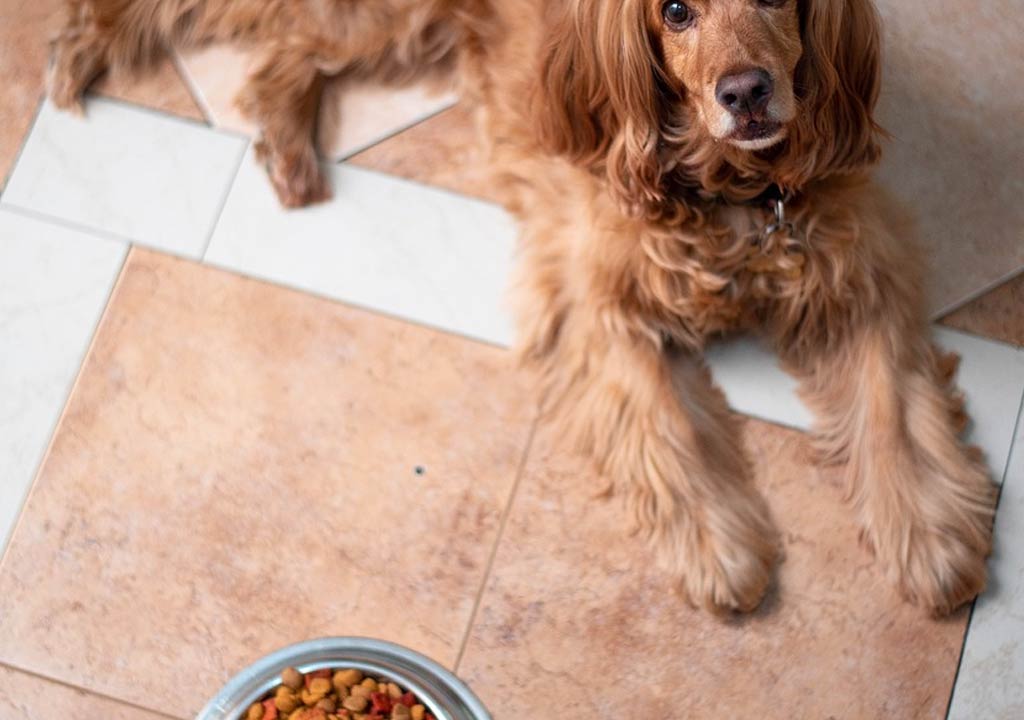
Every dog owner knows that water is essential, but many of us overlook how mealtimes influence a dog's hydration status. Dry kibble can be filling, but it tends to be less hydrating than wet foods, and some dogs simply don't drink enough between meals. The result can be subtle dehydration, which can affect energy, digestion, and overall health. This guide explores practical, vet-informed strategies to keep your dog well-hydrated during feeding, without turning mealtimes into a battle or adding unnecessary stress for you or your dog.
Hydration isn't just about having a bowl of water nearby. It involves understanding your dog's feeding routine, the moisture content of their food, their individual preferences, and their age, breed, and health status. The good news is that there are many simple, effective ways to improve hydration around meals-without drastic changes to your routine or expensive equipment. Below, you'll find a mix of science-backed tips, practical steps you can implement today, and dog-friendly ideas to make hydration a natural part of every feeding.
Why hydration matters at mealtimes
Hydration supports every system in a dog's body, from digestion to joint health and temperature regulation. During meals, dogs may be more focused on chewing and swallowing, which can temporarily distract them from drinking. In puppies and senior dogs, or in dogs with certain health conditions, the risk of dehydration can be higher. Dehydration can sneak up gradually: a mild water deficit can lead to dry gums, reduced skin elasticity, decreased energy, and darker urine. By paying attention to mealtime hydration, you help ensure that the dog's organs receive adequate fluids for digestion, nutrient absorption, and toxin removal.
It's also important to recognize that not all water is created equal for a dog's needs. Clean, fresh water should be available at all times, but the timing, temperature, and presentation of water around meals can influence how much dogs drink during or after eating. If your dog is on a special diet or has a medical condition, hydration becomes even more critical, and subtle changes around feeding times can have a meaningful impact.
Understanding your dog's drinking patterns
Dogs have individual hydration rhythms. Some lap up water first and then eat, others eat first and drink after, and a few might not drink much at all during a meal. Observing your dog's routine for a week or two can provide valuable insights into where hydration gaps exist. Consider the following questions as you observe:
• How much water does your dog typically drink in a day?
• Do they drink more water on days when they eat dry kibble versus wet food?
• Do they drink water readily before meals, during meals, or after meals?
• Are there times of day when hydration seems easier or harder for your dog?
• Are there any medical issues (such as dental disease, kidney concerns, or GI sensitivities) that affect thirst or appetite?
By tuning into these patterns, you can tailor hydration strategies to your dog's natural tendencies rather than fighting against them. Always discuss persistent changes in thirst with your veterinarian, as increased thirst can signal health issues requiring professional assessment.
Hydration strategies during meals
Below are practical, humane strategies you can implement to improve hydration around feeding time. You can mix and match these ideas to fit your dog's preferences, your daily routine, and your budget. The key is consistency and gradual adjustments rather than overwhelming changes all at once.
1) Offer water before, during, and after meals
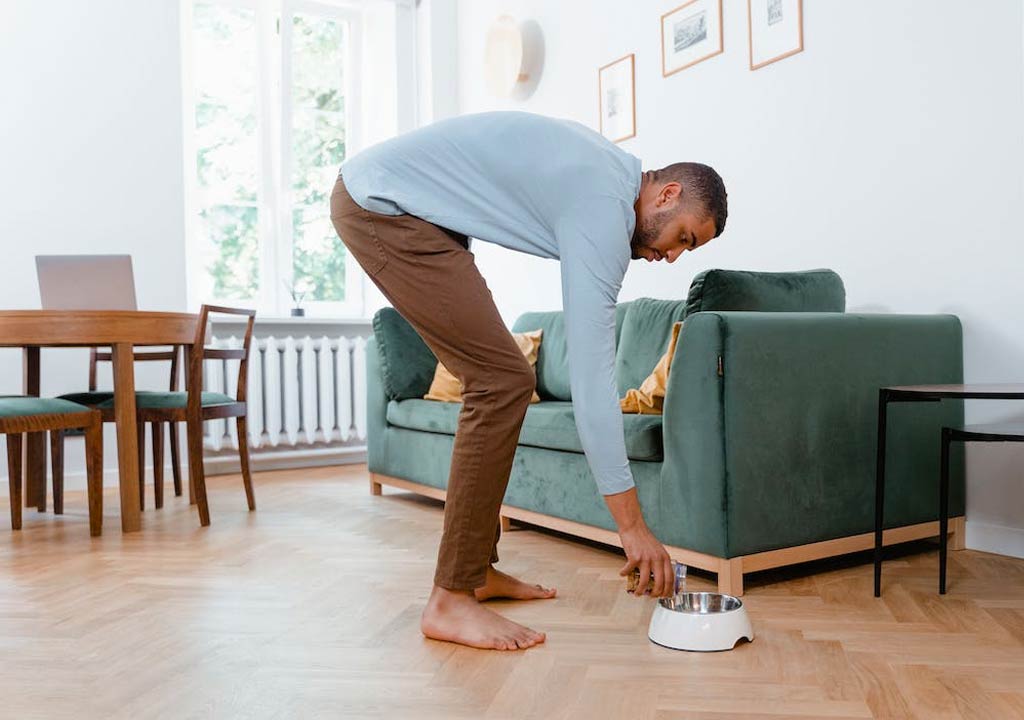
Make a habit of offering fresh water right before you start feeding, and place a bowl nearby so your dog can drink as needed during and after eating. A simple routine could be:
• 5-10 minutes before mealtime: offer fresh water and allow a sip or two
• During meals: have the water accessible, but not so close that your dog is forced to choose between water and food
• After meals: refill with fresh water and offer a short rest period so your dog can drink if thirsty
Even a few extra sips can make a noticeable difference in hydration status, especially for dogs that tend to gulp down meals quickly and ignore water between bites.
2) Use a water flow or gentle fountain
Some dogs are attracted to moving water. A low, quiet fountain can entice reluctant drinkers to sip more often, including around mealtimes. If you choose this option, look for a model that is easy to clean and has a stable base to prevent spills. A fountain should never replace regular water changes; keep the bowl clean and refill with fresh water daily. If your dog shows interest in the fountain but then refuses to drink elsewhere, try alternating between fountain water and a regular bowl to see what they prefer.
3) Temperature and freshness matter
Most dogs prefer cool, fresh water, especially after a meal when their mouth and throat may be warm from chewing. If you notice your dog drinking less in hot weather, consider keeping multiple bowls in different rooms, or using cool, not ice-cold, water. In some dogs, cooler water is more appealing, while others prefer room temperature. Avoid warm water left out for extended periods, as it can become stagnant and less appealing.
4) Try hydration-friendly food options
Food moisture is a major factor in overall hydration. If your dog is primarily on dry kibble, consider these options:
• Mix a little warm water or low-sodium broth into meals to soften kibble and release moisture
• Add unsalted bone broth or a thin layer of moist toppers designed for dogs to increase dietary moisture
If your dog tolerates wet food (canned or pouched meals), these naturally contain higher moisture content and can greatly aid hydration. For dogs that struggle with swallowing or teeth issues, consult your veterinarian about appropriate moisture-rich options.
5) Use wet foods strategically
Incorporate wet food into your dog's feeding schedule a few days a week if feasible. Wet foods have higher moisture content than dry kibble, which helps with hydration and can be especially beneficial for dogs who drink less water overall. If you feed only dry kibble, alternate days with a portion of wet food or add a moistened topping to meals to introduce more hydration gradually.
6) Make mealtimes a hydration-friendly routine for puppies
Puppies require frequent meals and consistent access to water. Establish a predictable schedule, offer water before and after each meal, and ensure that their water bowl is cleaned regularly to prevent a sour-taste aversion. For very young puppies, consider offering small amounts of water frequently but not in an overabundance that could lead to accidents or choking hazards during rapid growth phases.
7) Consider portioning and pacing
Some dogs inhale meals, which can reduce their opportunity to drink during the feeding window. If your dog eats very quickly, you can try paced feeding methods (such as using a puzzle feeder or placing obstacles in the bowl to slow down eating). Slower eating may give your dog more time to drink water between bites, and it can also aid digestion and reduce the risk of choking.
8) Check your bowl setup and placement
Where and how you place the water bowl matters. If the water bowl is far from the feeding area, your dog might skip routes to drink. Place a clean bowl of water within easy reach of the feeding station, and consider a second bowl in a different room if you notice your dog drinks more when they have options. Ensure bowls are stable and easy to access for dogs with arthritis or mobility issues. Stainless steel or ceramic bowls are durable and easy to clean, reducing the risk of bacterial buildup that could deter drinking.
9) Hydration reminders for dogs with dental issues
Dental discomfort can discourage dogs from drinking water, especially if the bite experiences pain when lowering the head. If your dog has dental problems, consider softer hydration options like a thin broth or moistened kibble, and consult a veterinarian for dental treatment or pain management strategies. Regular dental care not only helps hydration but also improves overall comfort and appetite during meals.
10) Hydration during illness or travel
When dogs are sick or traveling, dehydration risk increases. For minor illnesses, ensure continuous access to fresh water and consider offering small, frequent water breaks. For travel, use leak-proof travel bowls or collapsible containers, and pack a small amount of water and a disposable absorbent mat to manage spills. If a dog is vomiting or has diarrhea, consult a veterinarian promptly, as dehydration can escalate quickly in such cases.
Choosing the right hydration tools and foods
The tools you choose can influence how readily your dog stays hydrated around meals. Practical considerations include the type of bowl, the surface where you place it, and the moisture content of the food itself. Here are some practical recommendations to help you select wisely:
• Bowl material: Stainless steel and ceramic bowls tend to be more durable and easier to sanitize than plastic bowls, which can harbor bacteria and develop scratches that collect odors. If your dog chews the bowl, opt for a sturdier material and consider a non-slip base to prevent spills during a meal.
• Bowl height: The height of the bowl should match your dog's size and comfort. For some dogs, especially older ones with neck or back stiffness, a raised bowl can reduce strain and make sipping easier during meals, which in turn supports hydration consistency.
• Portability and accessibility: If you live in a multi-bedroom home or have a dog that moves around, portable bowls or multiple bowls can encourage regular drinking without forcing a dog to walk long distances between meals and water stations. This can be particularly helpful for senior dogs or those with mobility challenges.
• Cleaning routine: Clean water bowls daily and wash them with warm, soapy water to prevent slime or odor buildup. Regular cleaning reduces the risk of birds of bacteria and may encourage your dog to drink more readily.
Age and health considerations: tailoring hydration to the dog
Different life stages and health conditions influence hydration needs. Puppies, adult dogs, and senior dogs each have unique patterns of water intake and energy use. Chronic illnesses, such as kidney disease, diabetes, or GI issues, can alter thirst and fluid loss. Here are considerations to keep in mind:
• Puppies: They have high energy needs and may drink often but in small amounts. Consistency is key; provide fresh water frequently and avoid large volumes that could cause accidents or deter them from finishing meals.
• Adult dogs: For most healthy adults, a steady supply of water through the day, with heightened attention around meals, suffices. Adjust hydration strategies if you switch to new foods or start a new exercise routine that increases sweating and fluid loss.
• Senior dogs: Aging can affect taste, mouth comfort, and the ability to climb to a water source. Consider accessible water at multiple levels or a raised bowl to ease the drinking process, and watch for signs of dehydration that can be more subtle in older dogs.
• Dogs with medical conditions: For dogs with kidney disease, diabetes, or heart conditions, hydration strategies should be coordinated with a veterinarian. Some conditions require specific fluid guidelines or restricted fluid intake, so always follow medical advice and monitor changes in thirst, appetite, or weight.
What to watch for: signs of dehydration
Recognizing dehydration early can prevent complications. Common signs include:
• Dry mouth and gums; sticky or tacky gums
• Sunken eyes or reduced tear production
• Lethargy or reduced activity, especially after meals
• Decreased skin elasticity (skin tent test: gently pinch the skin on the back of the neck; if it doesn't snap back quickly, hydration may be compromised)
• Dark yellow or strongly concentrated urine
If you notice any combination of these signs, especially in a dog with a history of kidney disease or other chronic conditions, contact your veterinarian promptly. Severe dehydration requires urgent veterinary care, often with intravenous fluids or subcutaneous injections to restore balance quickly.
Hydration and meals: a practical daily plan
Here is a sample plan you can adapt to your routine. The goal is to maintain steady hydration across the day while supporting a comfortable, enjoyable mealtime for your dog. You can mix and match these elements based on your dog's preferences and lifestyle:
Morning
• 15-30 minutes before breakfast: offer fresh water or a small, measured amount to encourage a sip
• Breakfast: if you serve dry kibble, moisten it with a small amount of warm water or low-sodium broth to improve moisture content
Midday
• Afternoon snack or meal: include a portion of wet food if possible or add a moisture-rich topper to dry kibble
• Ensure water is available in a location convenient to the feeding area, with the bowl kept clean and fresh
Evening
• Pre-dinner: offer a short water break to hydrate before eating
• Dinner: serve with a moisture-rich topper or mixed in water to soften the kibble and boost hydration
Bedtime
• Overnight water access: a clean bowl left within reach, and a second bowl in the living area if your dog tends to drink more during the night
Regularly evaluate this plan and adjust for changes in weather, activity level, or health. A routine that includes predictable meals and hydration is often the best guard against subtle dehydration.
Special situations: puppies, seniors, and dogs with health issues
Puppies and seniors require particular attention to hydration around meals. Puppies are growing rapidly and need consistent fluids to support digestion and development. Senior dogs may experience dental discomfort, reduced mobility, or organ concerns that affect drinking behavior. Dogs with health issues (kidney disease, diabetes, digestive disorders) may need tailored hydration plans provided by a veterinarian. In all these cases, you should monitor thirst cues, adjust water access, and seek veterinary guidance if there are sudden changes in appetite, weight, or energy levels.
For dogs with known health issues, hydration management often involves balancing fluids with dietary restrictions, such as sodium intake or protein needs. Always follow your veterinarian's guidelines. If your dog is on medications that influence thirst or hydration, ensure that you understand potential side effects and monitor for unexpected changes in drinking patterns or appetite.
Common myths vs. reality about dog hydration
Myth 1: If a dog has access to water, they will drink enough on their own. Reality: While most dogs regulate thirst well, some may not drink as much as needed, particularly during changes in routine, weather, or diet. Proactive hydration around meals can help ensure adequate intake.
Myth 2: Water must be ice-cold to be effective. Reality: Most dogs prefer cool or room-temperature water. Extremely cold water can cause stomach discomfort for some dogs; cooler, fresh water often works best around meals.
Myth 3: Hydration is only about water. Reality: Food moisture, broth, and high-water-content treats contribute significantly to hydration. Don't rely on water alone-use moisture-rich foods strategically to boost overall fluid intake.
Creating a simple, repeatable hydration checklist
To make hydration an easy, everyday habit, consider a lightweight checklist you can reuse daily. You can adapt it to your routine and print it for easy reference.
• Before meals: check that water bowls are clean and filled
• During meals: ensure water is accessible and not a barrier to eating
• After meals: offer a sip or two if your dog is inclined to drink; monitor for any signs of reluctance
• Midday: if your dog tends to drink more in the afternoon, place a water bowl in the living area or yard
• Evening: confirm water is refreshed and accessible before bedtime
• Weekly: clean bowls thoroughly and inspect for any signs of wear or damage
Frequently asked questions about hydration at mealtimes
Q: My dog drinks fine at home, but not when we're traveling. What can I do?
A: Bring a reliable travel bowl, a small bottle of water, and a collapsible dish. Offer small, frequent sips and avoid overloading with water-hydration is important, but comfort matters during travel.
Q: Is it okay to put broth in my dog's water to increase hydration?
A: Low-sodium, onion-free broth can be a hydrating addition to meals, but use sparingly and ensure it is truly dog-safe. Avoid broth with onions, garlic, or excessive salt. Always consult your veterinarian before introducing new liquids, particularly if your dog has a health issue.
Q: My dog is picky and refuses to drink water after meals. Any tips?
A: Try offering water from a different bowl material, position the bowl nearer to the feeding area, or use a water fountain to stimulate drinking. You can also moisten meals or mix in a small amount of water to boost moisture intake times when they finish their meal.
Conclusion: a hydration-first mindset for happier meals
Hydration is a foundational aspect of canine health, and mealtimes present an excellent opportunity to support your dog's fluid balance. By combining mindful water offering, moisture-rich foods, appropriate tools, and an understanding of your dog's unique needs, you can make hydration a natural, stress-free part of every feeding. Remember to monitor hydration cues, maintain clean bowls, and adjust strategies as your dog grows, ages, or experiences health changes. When in doubt, your veterinarian is your best source for personalized guidance tailored to your dog's body, lifestyle, and medical history.
With a little planning and consistent routines, you can help your dog stay well-hydrated, energized, and happy at every mealtime. Hydration isn't a one-size-fits-all task; it's a daily practice of observation, care, and adjustments that fit your dog's life. Here's to healthier meals and a well-hydrated, thriving companion by your side.
LIKED THIS ARTICLE? SHARE IT: