














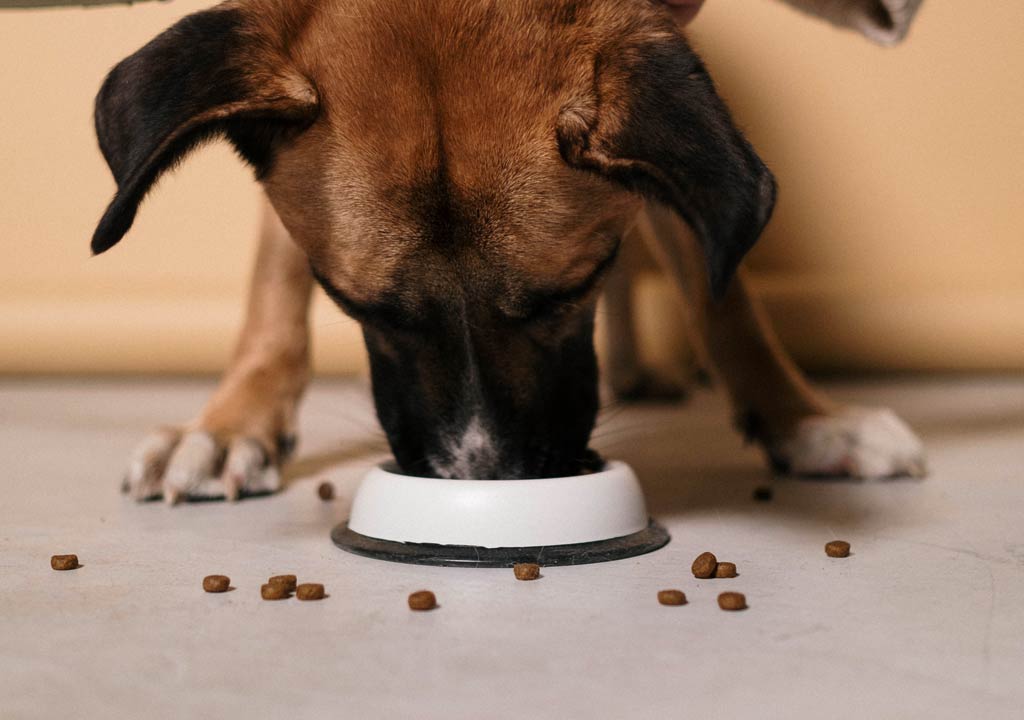
Bowl Designs That Minimize Spills, Choking, and Injury Risk

Safe Materials for Dog Bowls: Stainless Steel, Ceramic, and BPA-Free Plastics
Choosing the right bowl for your dog isn't just about color or shape. The material a bowl is made from can affect hygiene, safety, and even your dog's health over time. In this guide, we'll explore three popular options-stainless steel, ceramic, and BPA-free plastics-so you can make an informed choice for your furry friend. We'll cover what makes each material safe, common pitfalls to avoid, maintenance tips, and how to pick the best option based on your dog's needs and lifestyle.
Why bowl material matters
The material a dog uses for food and water bowls can influence several key factors:
- Porosity and hygiene: Porous surfaces can trap food particles, moisture, and bacteria, making bowls harder to clean thoroughly.
- Durability and wear: Strong chewers or playful dogs may dent, crack, or scratch bowls, creating crevices where bacteria can hide.
- Chemical safety: Some materials can leach flavors or chemicals into food, especially with repeated exposure to heat, detergents, or worn finishes.
- Allergies and sensitivities: Some dogs may react to certain materials or finishes, so choosing a non-irritating option is important.
- Cleaning and sanitation: Dishwasher compatibility, cleaning frequency, and ease of sanitization all influence long-term safety.
When you understand these factors, you can narrow down to materials that deliver durability, ease of cleaning, and safety-without sacrificing your dog's comfort or your peace of mind.
Stainless steel bowls
Stainless steel bowls are a perennial favorite for many dog owners. They're widely available, affordable, and known for their hygienic properties. Here's what to know about stainless steel bowls for dogs:
Benefits
• Non-porous and easy to sanitize: Stainless steel forms a smooth, non-porous surface that resists staining and bacterial growth when cleaned properly. Regular washing with hot water and dish soap, followed by thorough rinsing, is usually enough to keep them clean.
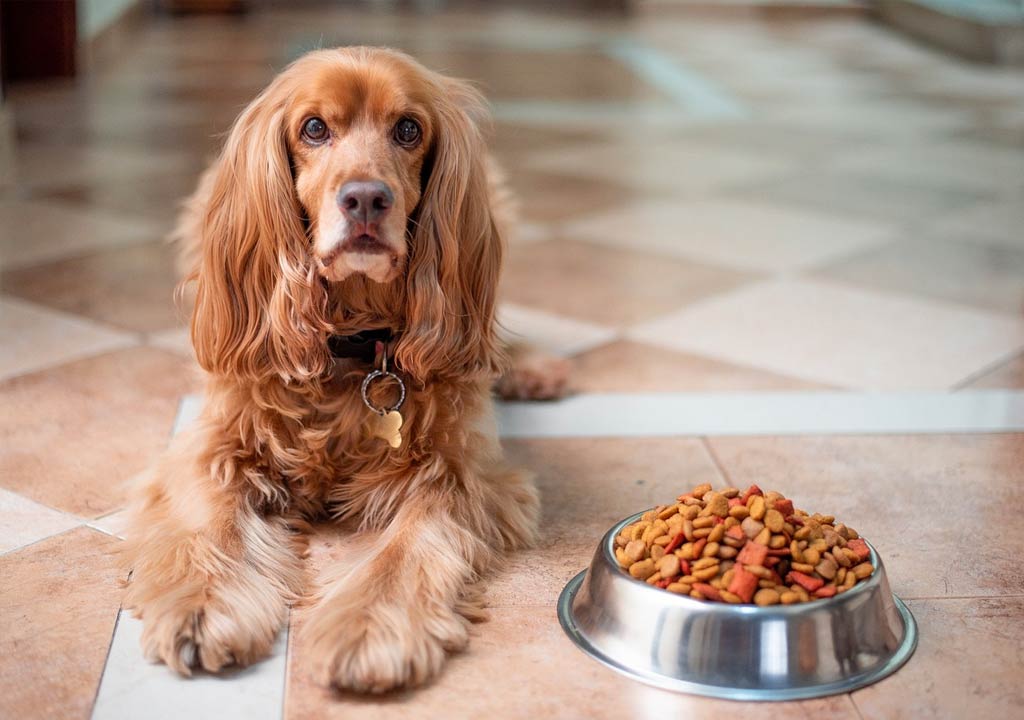
• Durability: High-quality stainless steel bowls-especially those labeled 18/8 or 18/10-are strong, resistant to rust, and unlikely to shatter if dropped. They're a solid choice for active dogs and homes with kids or other pets.
• Dishwasher-friendly: Most stainless steel bowls are dishwasher-safe, which makes routine sanitation easier. If you use a dishwasher, place bowls on the top rack to avoid any potential heat-related warping of rims or protective coatings on other kitchen items.
• Heavy and stable: Stainless steel bowls are often heavy enough not to slide around during meals, which can be helpful for larger dogs or enthusiastic eaters. Some models include non-slip bases to further reduce sliding.
• Hygienic with proper care: The interior surface is smooth, which helps prevent buildup and makes cleaning straightforward. Over time, regular use naturally creates a patina, but this does not typically affect safety.
Common concerns and how to address them
• Noise and banging: Stainless steel bowls can be noisy against hard bowls or bowls stands. A rubberized base or anti-slip mat can dampen noise and protect floors.
• Chipping or denting: While stainless steel is durable, cheap or thin-walled bowls can dent. Choose sturdy bowls rated for regular use, and avoid cheap, ultra-light options that deform easily.
• Rims and sharp edges: Inspect bowls for burrs or rough edges, especially on older or budget models. Deteriorated rims can irritate a dog's lips. If you notice any rough spots, replace the bowl.
• Coatings and coatings-related concerns: Some bowls come with plastic rims or protective coatings. If you see coatings peeling or chipping, switch to a pure stainless steel interior bowl or a different material.
What to look for when buying
• Food-grade stainless steel: Look for bowls labeled as 18/8 or 18/10 stainless steel, indicating a high nickel and chromium content that resists corrosion and keeps a bright, non-reactive surface.
• No plastic liners on the interior: Some bowls have plastic linings or interiors; if possible, choose bowls with a fully stainless interior to maximize hygiene.
• Solid construction: Avoid hollow or thin-walled designs that can deform. A solid, well-made bowl is more durable and easier to sanitize.
• Non-slip base or weight: A rubber base or weighted design helps prevent sliding during meals and reduces noise.
Maintenance tips
• Wash daily with hot, soapy water or run through the dishwasher. Rinse thoroughly to remove detergent residues.
• Dry completely before storing to prevent water spots and potential mineral buildup.
• Periodically inspect for dents, cracks, or dull spots. Replace any bowl showing significant wear that could harbor bacteria or injure your dog.
• If your dog loves to gulp water, consider keeping a separate water bowl stainless steel for water and a separate bowl for food to minimize contamination risk between meals.
Bottom line
For most dogs, stainless steel bowls provide a robust blend of safety, hygiene, and durability. They're particularly well-suited for households with multiple pets, dogs with allergies (since the surface doesn't harbor residues), or owners who want dishwasher-safe options. If cost is a concern, stainless steel often offers excellent value over the long term due to its longevity.
Ceramic bowls
Ceramic bowls are another widely used option. They come in an array of shapes, colors, and sizes, and many are visually appealing. Ceramic bowls can be a good fit for dogs with sensitive noses because they don't retain odors as easily as some plastics. Here's what to know about ceramic bowls:
Benefits
• Non-porous interior when properly glazed: A well-fired, high-quality glaze creates a smooth interior surface that resists absorbing flavors and odors, making cleaning easier and more effective.
• Heft and stability: Ceramic bowls tend to be heavier, reducing the likelihood of sliding during meals and minimizing noise on hard floors.
• Aesthetics: Ceramic bowls come in many colors and patterns, which can match your home decor and may encourage your dog to eat from a dish you like looking at.
• Chemical inertness when glazed: When the glaze is properly formulated and fired, ceramic surfaces are relatively inert and safe for food contact.
Common concerns and how to address them
• Chips and cracks: The most important risk with ceramic bowls is damage to the glaze or ceramic itself. Chips or cracks can harbor bacteria and may cause sharp edges that injure a dog's mouth. Inspect bowls regularly for any cracks, chips, or crazing (fine cracks in the glaze).
• Lead and cadmium fears (older or imported wares): Some older or lower-cost ceramic bowls may use glazes containing lead or cadmium. This is far less common in modern, certified food-safe ceramics, but it's prudent to verify labels or purchase from reputable brands. If a glaze is damaged or chipped, stop using the bowl immediately, regardless of material.
• Staining and odors: Ceramic bowls can stain over time, especially with certain foods or supplements. Regular cleaning and thorough rinsing can minimize this, and some owners prefer glazing with a darker color that shows wear less.
What to look for when buying
• Food-safe glaze: Look for bowls labeled as food-safe, lead-free, and cadmium-free. Certifications or brand reputations can be helpful indicators.
• Durable glaze and dense ceramic: Choose bowls with a sturdy, well-fired glaze and a thickness that reduces the risk of cracking. Avoid ultra-thin rims that are more prone to chipping.
• Dishwasher-safe and microwave-safe considerations: Many ceramic bowls are dishwasher-safe, but some may crack with repeated exposure to extreme heat. If you use a microwave, ensure the bowl is microwave-safe and avoid metal accents or decorations.
Maintenance tips
• Inspect for chips and cracks regularly. If you notice any damage, replace the bowl to prevent bacteria from taking hold in cracks or chips.
• Hand-washing with a non-abrasive sponge helps preserve the glaze and prolongs the life of the bowl. If you use a dishwasher, place the bowl securely to avoid tipping and cracking in the machine.
• Avoid harsh cleaners or scouring pads that can wear down the glaze over time.
Bottom line
Ceramic bowls can be a safe and attractive option when you choose high-quality, food-safe glazes and regularly inspect for damage. They're a good pick for dogs who prefer a heavier dish or owners who want a visually appealing bowl. As with any ceramic item, damage or chipped glaze requires prompt replacement to maintain safety.
BPA-free plastics
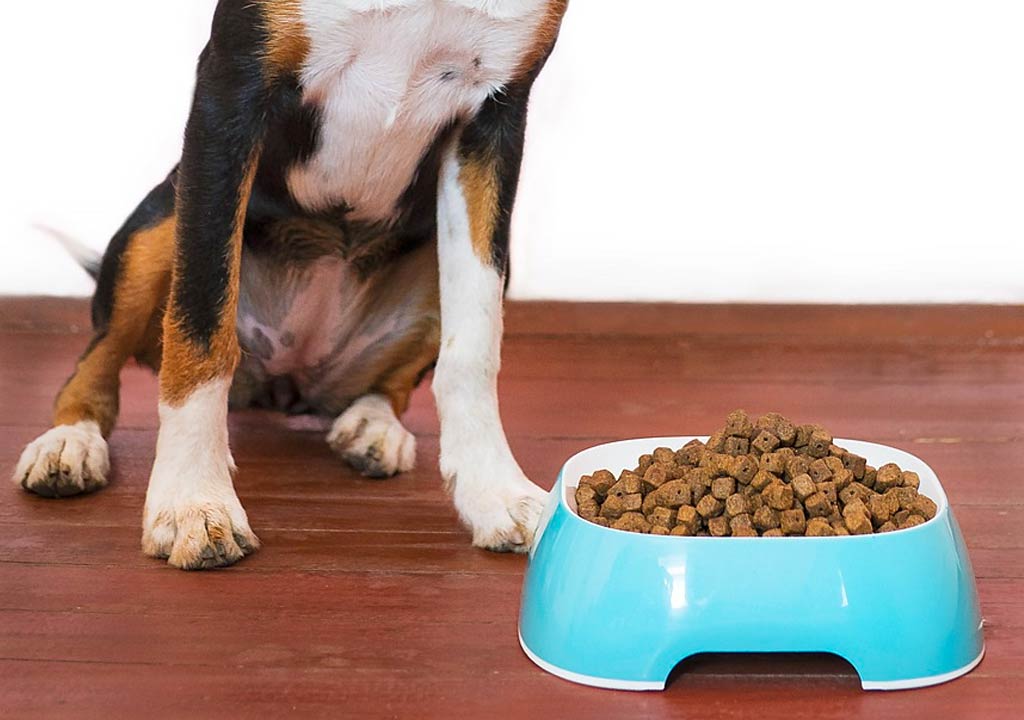
Plastic bowls have long been popular due to their light weight, affordability, and color variety. However, not all plastics are created equal, and even "BPA-free" claims deserve close examination. Here's what to know about BPA-free plastic dog bowls:
Benefits
• Lightweight and affordable: Plastic bowls are easy to handle, transport, and replace if needed. They're a practical option for travel or households with multiple pets.
• Variety of styles and sizes: From small puppies to large breeds, plastic bowls come in many shapes and colors, enabling you to find a fit that suits your dog and kitchen decor.
• Low risk of breakage: Unlike glass or ceramic, plastic is not prone to shattering if dropped, making it a good option for households with curious puppies or seniors who may drop items.
Common concerns and how to address them
• Scratch-prone surfaces and bacteria: Plastic bowls can scratch more easily than metal or ceramic, creating tiny crevices where bacteria and food particles can accumulate. Replace bowls with deep scratches or gouges, even if they seem minor, to maintain hygiene.
• Chemicals and off-flavors: Some plastics can retain odors or flavors and may interact with certain foods. Regular replacement helps prevent lingering odors and taste transfer. For some dogs, plastic can be more likely to trigger sensitivities or allergies.
• BPA-free is not the same as risk-free: The term "BPA-free" means the molecule BPA is not used to produce the plastic. Some BPA alternatives, such as BPS or other bisphenols, may still raise concerns about safety. While not proven to be as problematic as BPA in all cases, many pet owners prefer options with minimal chemical exposure or choose the safest materials for their situation.
What to look for when buying
• BPA-free labeling: Look for bowls explicitly labeled BPA-free. It's a useful indicator, but also pay attention to the overall material quality.
• High-density polyethylene (HDPE) or polypropylene (PP): These plastics are generally more durable and easier to sanitize than some cheaper options. They tend to resist cracking and deep scratches better than softer plastics.
• Smooth interior surface: A smooth, non-porous interior helps with cleaning and reduces places where bacteria can harbor. Avoid overly rough interiors or patterns that trap food particles.
Maintenance tips
• Regular washing with hot, soapy water. Use a soft brush or sponge to reach into any grooves or scratches.
• Avoid exposing plastic bowls to high heat, including microwaves, as repeated heat exposure can warp or degrade plastic over time.
• Inspect for deep scratches, cracks, or discoloration. Replace bowls showing wear to prevent bacterial buildup.
• Consider rotating bowls between food and water to reduce wear on a single dish and to help minimize bacterial growth if a dog frequently chews or mouths the bowl.
Bottom line
BPA-free plastic bowls can be a practical option for many households, especially where cost, weight, and variety are important. However, they require more proactive maintenance to prevent scratches and bacterial buildup. If you opt for plastic, choose higher-quality plastics labeled BPA-free, preferably with a smooth interior and a sturdy construction. Be prepared to replace plastic bowls more frequently than stainless steel or high-fired ceramic to maintain optimal hygiene.
Choosing the right bowl for your dog
When selecting a bowl material, consider your dog's size, chewing behavior, age, and any health concerns. Here are some quick decision guidelines:
- Active or heavy chewer: Stainless steel is typically the best long-term choice due to its durability and ease of cleaning.
- Puppies and beginners: Stainless steel or high-quality ceramic bowls are good options, as they're less likely to harbor odors and are easy to clean as training progresses. Consider a non-slip base to prevent tipping.
- Sensitive noses or odor concerns: Ceramic bowls with a high-quality glaze can be appealing, but ensure no chips or cracks. Stainless steel remains a strong alternative if odors are a concern.
- Travel or multiple pets: BPA-free plastic bowls can be convenient for travel or multi-pet households, provided you're diligent about cleaning and replacement.
- Dogs with allergies or dermatitis: Stainless steel and glass (if you tolerate glass in your home) are non-porous options that are less likely to harbor allergens compared with some porous plastics.
Remember, the best bowl for your dog is the one you can clean consistently, inspect regularly for wear, and replace when signs of damage appear. The health and safety of your dog come first, so prioritize materials that remain hygienic with regular checks and maintenance.
Care and maintenance best practices
No matter which material you choose, routine care makes a big difference in safety and hygiene. Here are practical practices you can adopt:
- Daily cleaning: Wash bowls after each meal with hot water and mild dish soap. Rinse thoroughly to remove any soap residue that could irritate your dog's mouth or stomach.
- Sanitizing: Periodically sanitize bowls, especially if multiple dogs share a bowl or if your dog has a compromised immune system. Use a pet-safe sanitizer or a mild diluted bleach solution (follow label instructions for dilution and thorough rinsing). Rinse completely after sanitizing.
- Drying: Dry bowls completely between uses to minimize bacterial growth in residual moisture.
- Inspection routine: Check for scratches, chips, cracks, and dull surfaces. Replace worn bowls promptly to avoid bacterial harbor points.
- Rotation and replacement schedule: Even the best bowls wear out. Set a replacement plan (for example, every 1-2 years for stainless steel, 1-3 years for ceramic with intact glaze, more frequently for plastic) based on usage and wear.
- Placement and usage: Use a stable bowl stand or mat to prevent tipping and to protect your floors. If your dog eats quickly or gulps, consider a slow-feed bowl option to promote healthier eating habits, regardless of material.
Special considerations
If your dog has a history of mouth injuries, dental disease, or sensitivity to textures, you may prefer a smooth, non-porous surface and one that's easy to clean. If you notice your dog avoid a bowl due to texture or noise, it may be worth trying a different material or a bowl with a quieter design.
Common myths and misconceptions
Myth 1: "Ceramic bowls are unsafe because they crack."
Reality: Ceramic bowls are safe when you choose high-quality, glaze-coated pieces and inspect them regularly for chips or cracks. Don't use bowls with visible damage, as cracks can harbor bacteria.
Myth 2: "Plastic is always unsafe for dogs."
Reality: Plastic bowls can be unsafe if they are scratched, discolored, or release chemicals after aging or high-heat exposure. Choosing BPA-free plastics and replacing worn bowls can mitigate risk, but stainless steel remains a durable, widely accepted choice for many dogs.
Myth 3: "Any stainless steel bowl is non-toxic."
Reality: The most important factor is using food-grade stainless steel (18/8 or 18/10) and ensuring there are no coatings that can chip away. Regular inspection helps ensure ongoing safety.
Myth 4: "All glass bowls are fragile and unsafe."
Reality: Glass bowls, including tempered glass used for some pet bowls, can be safe if used carefully and kept away from impact-prone areas. They're not as common as steel or ceramic due to breakability, but they're a safe option for some dogs and households.
Takeaway
There's no one-size-fits-all: the safest bowl depends on your dog's behavior, your cleaning routine, and your willingness to replace worn items. Prioritize materials that are non-porous, durable, and easy to sanitize, and inspect regularly for any signs of wear or damage.
Environmental impact and sustainability
When choosing a dog bowl, many owners also consider environmental footprint. Here are some sustainability considerations for the three main materials:
- Stainless steel: Extremely durable and long-lasting, stainless steel bowls generate minimal waste over time. They're recyclable at the end of life, though the recycling process depends on local facilities. Their longevity often makes them a favorite for eco-conscious households.
- Ceramic: Ceramic bowls are durable but weighty, and they can crack if dropped. The environmental impact largely depends on the glaze and clay source. Reputable manufacturers with responsibly sourced materials and low-energy firing processes are preferable.
- BPA-free plastics: Plastics are lightweight and low-energy to produce, but they may need more frequent replacement due to wear. Choose high-quality plastics and recycle where possible, but be mindful of the shorter lifespan compared to stainless steel or ceramic.
To minimize environmental impact, consider investing in a single high-quality bowl that lasts years, rather than multiple cheaper bowls that wear out quickly. Maintain your bowl properly to extend its life, and recycle or repurpose items at the end of their useful life according to local guidelines.
Frequently asked questions
Q: Are stainless steel bowls safe for all dogs?
A: For most dogs, yes. Stainless steel is non-porous, easy to clean, and durable. If a dog has a history of chewing through metal, you may want to monitor closely or choose a different option. Ensure you select food-grade stainless steel with a durable finish.
Q: Can I microwaved plastic dog bowls?
A: It's generally not recommended. Some plastics can warp or release chemicals when heated. If you need to warm water or soft foods, use a bowl material that is microwave-safe and appropriate for that purpose, or warm water separately and then pour into the bowl.
Q: How often should I replace my dog's bowl?
A: It depends on the material and wear. Stainless steel bowls can last many years with proper care. Ceramic bowls should be replaced if there are chips or cracks. Plastic bowls should be replaced when scratches or discoloration become noticeable or after a certain period of regular use. Follow your own inspection routine to determine replacement timing.
Q: Are BPA-free plastics truly safe for dogs?
A: BPA-free indicates that the specific chemical BPA is not used, but some alternative chemicals may still be present. They can be safe, but they may wear differently than other materials and can be more prone to scratches. If your dog chews or mouths the bowl often, you might prefer a more durable option like stainless steel or ceramic.
Q: Do I need a slow-feed bowl?
A: If your dog eats too quickly, a slow-feed bowl can help prevent digestive issues and reduce the risk of choking or bloat. Slow-feed designs come in stainless steel, ceramic, and plastic options. Choose one that suits your dog's size and eating style while being easy to clean.
Final thoughts
Safe, hygienic bowls are essential for keeping your dog healthy and happy. Stainless steel bowls offer excellent durability, ease of cleaning, and broad compatibility with a range of households. Ceramic bowls provide a sturdy, visually appealing option with excellent non-porous surfaces when properly glazed. BPA-free plastic bowls deliver light, affordable flexibility, but they require mindful maintenance and timely replacement to prevent wear-related hygiene issues.
Ultimately, the best choice for your dog balances safety, practicality, and your ability to maintain the bowl well. Regular inspection, proper cleaning, and mindful replacement when wear becomes evident are the keys to ensuring that your dog's feeding routine remains clean, safe, and enjoyable. By understanding the strengths and limitations of stainless steel, ceramic, and BPA-free plastics, you can select a bowl that suits your dog's needs today and for many meals to come.
Note: Always consult with a veterinarian if you have concerns about material-related allergies, sensitivities, or dietary issues related to your dog. The information above is intended to help you make informed choices about dog bowls and is not a substitute for professional veterinary advice.
LIKED THIS ARTICLE? SHARE IT: