












Slow Feeder and Anti-Gulp Bowls: A Guide to Gentle Eating

Clean, Safe, and Stylish: How to Choose the Right Dog Bowl for Your Home
Choosing a dog bowl may seem like a small decision, but the right bowl can impact your dog's health, your cleaning routine, and the overall vibe of your home. A well-chosen bowl supports easier mealtime, reduces mess, and complements your decor. The problem is that there are more options than ever: materials range from stainless steel to ceramic to silicone, designs include standard and elevated, and features like anti-slip bases and slow-feed diameters can dramatically change how your dog eats. In this guide, you'll learn how to evaluate the practicalities, safety considerations, and style elements all at once so you can pick a bowl that ticks all the boxes for your home and your dog's needs.
Why the Right Dog Bowl Matters
Every dog has a unique eating style-and every home has its own layout and cleaning routine. A bowl that's the wrong size or made from the wrong material can introduce a cascade of issues: spillage that ends up on rugs or hardwood, chipped dishes that shed fragments, or bowls that harbor bacteria after a few meals. For puppies and senior dogs, the design matters even more because ease of access and swallowing comfort influence digestion and energy levels. More than anything, the bowl should be a simple, reliable tool that makes mealtime pleasant rather than a source of stress for you or your dog.
Beyond functionality, bowls are part of your home's daily ritual. They sit in a corner of the kitchen, in a feeding station, or in a living area where guests may notice them. A well-chosen bowl can blend with your interior design-while still meeting your dog's needs. The aim is to find a balance: something durable and safe for daily use, easy to clean, and aesthetically aligned with your space. With that in mind, let's explore the core considerations that will guide your selection.
Materials Matter: Stainless Steel, Ceramic, Plastic, and More
The material of a dog bowl is the foundation of durability, hygiene, and safety. Each option has strengths and caveats, so start by thinking about your dog's habits (do they chew, drag bowls, or gulp quickly?) and your cleaning routine (dishwasher schedule, sanitizing methods, etc.).
Stainless steel is the most durable and hygienic option for many households. It resists staining, is easy to clean, and is unlikely to harbor odors when properly maintained. Look for bowls labeled as food-grade stainless steel and with a rolled edge to protect your dog's muzzle. Many stainless steel bowls have a non-slip base or a weighted bottom to prevent tipping. Over time, stainless bowls resist scratches that can harbor bacteria, but metal can dent if dropped.n
Tip: If your dog is a persistent chewer, monitor for any pitting or sharp edges and replace promptly.
Ceramic bowls are often heavier and come in a wide range of colors and patterns, which can be a stylish addition to your kitchen or dining area. They are easy to clean and non-porous when properly glazed, which discourages bacteria growth. However, ceramic bowls can crack or chip if dropped, and unglazed or poorly glazed ceramics can harbor bacteria in tiny pores. If you choose ceramic, inspect the glaze for chips and opt for lead-free, food-safe glazes. Also consider the base: some ceramic bowls sit in a rubber ring or a non-slip mat to prevent sliding.
Plastic bowls are lightweight and inexpensive, making them popular for travel or households with multiple dogs. Modern plastics can be BPA-free and food-safe, but plastic scratches easily, which can trap bacteria. Some dogs develop allergies or sensitivities to certain plastics, and deeply scratched surfaces are harder to sanitize. If you select plastic, replace bowls once you notice deep scratching or discoloration. Also look for dishwasher-safe plastics and a non-slip base.
Silicone bowls are flexible, portable, and often collapsible for travel. They're great for on-the-go feeding and for pups who are sensitive to metal heat. However, silicone can harbor odors and may be more challenging to sanitize if the interior is not smooth. If you opt for silicone, choose a brand with a smooth interior, and use a dedicated bottle brush to scrub any crevices.
When evaluating materials, also consider environmental impact and lifecycle costs. Stainless steel and high-quality ceramic have longer lifespans than lower-cost plastics, which can help reduce waste in the long run. If you're unsure, start with one durable option (such as stainless steel) and observe how your dog responds during meals before expanding to other materials.
Elevated vs. Standard Bowls: Ergonomics and Digestive Health
Elevated bowls sit on stands or legs, raising the feeding surface to a more natural height for many dogs. They can reduce neck and joint strain, particularly for large breeds, older dogs, or dogs with arthritis. They may also help with swallowing and digestion by promoting a more neutral head position. However, elevated bowls aren't universally better for all dogs-some overenthusiastic drinkers or dogs with certain nasal shapes may be more prone to splashing or gulping when their bowls are elevated.
Standard bowls sit on the floor and are often the simplest and most versatile option. They're easy to move, clean, and replace. If you have a small, active dog or a dog who loves to paw at bowls, a non-slip mat under a standard bowl can help keep the feeding area tidy without introducing additional height. If you're unsure about elevation, try a temporary setup first: place a sturdy, non-slip mat and observe how your dog eats for a week. If you notice strain in the neck or a change in swallowing, consider an adjustable or differently raised model.
When choosing elevated bowls, evaluate the height: for most adult dogs, the top of the bowl should align roughly with the chest for a comfortable posture. For small breeds, even a modest 4-6 inch height can be beneficial, while larger breeds might benefit from 8-12 inches or more depending on leg length. Many elevated bowls come with adjustable heights or different insert bowls; this flexibility can extend their usefulness as your dog grows or changes with age.
Anti-Slip and Stability: Keeping Mealtime Calm
A bowl that slides or tips during meals can cause frustration and mess. Anti-slip features are essential for dogs who are enthusiastic eaters or who enjoy nudging bowls with their noses or paws. Look for bowls with weighted bases, silicone rings, or rubberized feet that grip the surface under the bowl. Some bowls feature a Y-shaped or silicone grip under a standard bowl to prevent sliding, while others attach to a mat or stand securely.
Floor trim, rug texture, and the surface of your kitchen or feeding area all influence how much a bowl moves. If your dog tends to push bowls around, consider a dedicated feeding station with a sturdy mat and a bowl that snaps into a fixed base. You'll appreciate the cleaner floor and the calmer mealtime, especially in households with multiple dogs or curious puppies.
Slow-Feed and Anti-Guzzle Design for Better Digestion
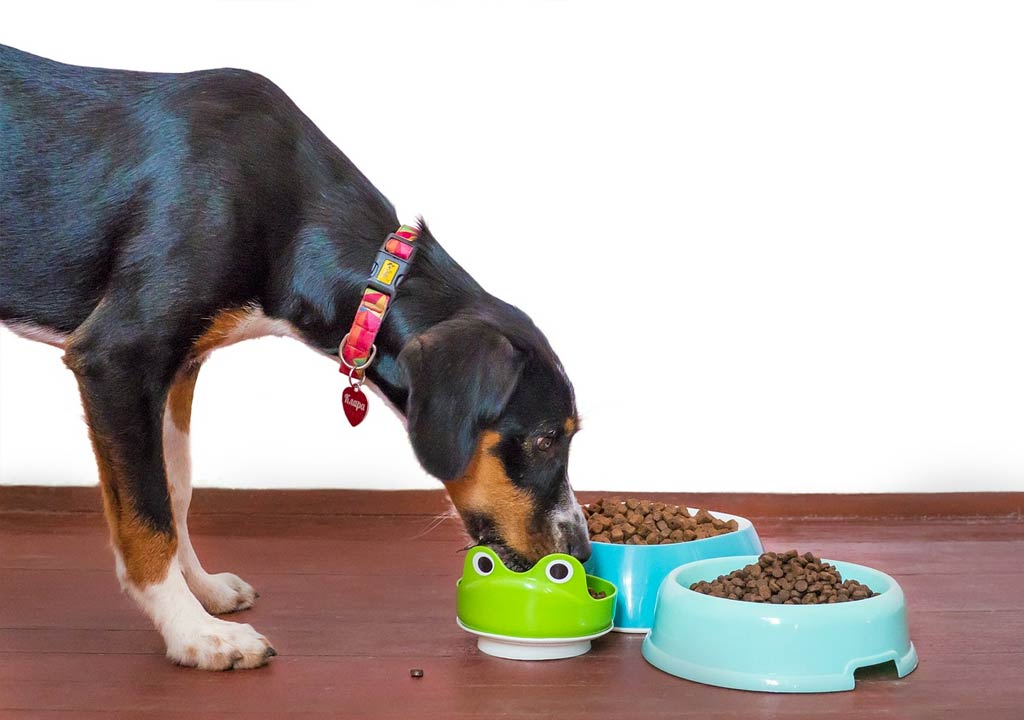
Some dogs gulp their food, swallowing large amounts at once, which can lead to bloating, gassy stools, and discomfort. Slow-feed bowls, maze bowls, and curved insert designs can help by forcing the dog to work around obstacles to reach the food. These bowls can be particularly helpful for fast eaters or dogs prone to bloat, a serious condition that requires veterinary attention.
When shopping for slow-feed bowls, consider the dog's breed and mouth size. A maze or chunky insert should not be so complex that it frustrates the dog or makes mealtime feel punitive. Look for features like gentle ridges, wide openings, and smooth interiors that prevent food from becoming trapped in corners. Some slow-feed designs are ceramic or stainless steel with a built-in maze; others are silicone or plastic with movable inserts. A good test is to drop a handful of kibble into the bowl and observe how easily your dog can retrieve it without excessive frustration.
Hygiene, Cleaning, and Sanitation: How to Keep It Safe
Mealtime hygiene is a cornerstone of responsible dog care. Bacteria can rapidly accumulate in bowls, especially if food sits in the bowl for extended periods or if a dog loves to lick the bowl after finishing. Here are practical hygiene considerations:
- Dishwasher compatibility: If you rely on a dishwasher, confirm the bowl is dishwasher-safe and that it can withstand high temperatures and detergents without losing finish or integrity.
- Ease of cleaning: Smooth interiors with minimal seams are easier to sanitize. Bowls with ridges or decorative accents can trap residues and require extra scrubbing.
- Sanitation schedule: Rinse bowls after each use and wash thoroughly every day or two, depending on your dog's diet and feeding schedule. Replace bowls when you notice cracks, chips, or persistent odor.
- Material-specific care: Stainless steel is generally dishwasher-safe and rinses quickly. Ceramic bowls should be hand-washed if they show crazing or hairline cracks. Plastic bowls can harbor scratches; if you see scratches, consider replacing them, as scratches can harbor bacteria even after washing.
- Odor control: If odor lingers after cleaning, run through a mild sanitizing routine (a vinegar-water rinse or a dedicated pet-safe cleaner) and ensure bowls are completely dry before the next meal.
Sanitation isn't just about food safety; it also helps keep your home smelling fresh. A fast-drying, non-porous surface is your friend here. Remember to wipe down the feeding area as part of your routine, especially if you use a mat or stand that can collect crumbs and moisture.
Size and Capacity: Getting the Right Fit for Your Dog
Choosing the correct bowl size is essential for comfort, digestion, and portion control. A bowl that's too deep or too shallow can make eating awkward or inefficient. Here's how to determine what size you need:
Step 1: Weigh your dog and note their daily food intake. Step 2: Check the feeding guidelines on the dog food packaging; adjust for your dog's activity level and age. Step 3: For most dogs, bowls that hold 2-3 days' worth of food per meal are not necessary; one to two cups for small breeds or one to two bowls per larger dog is often sufficient for a single meal, but you'll adjust based on your dog's consumption and schedule. Step 4: For water, ensure your dog has constant access to fresh water; choose a bowl with a comfortable water depth for sipping without splashing.
Tip: Some dogs eat slowly, while others devour their meals. For fast eaters, slow-feed bowls may help prevent gulping, but ensure the bowl's capacity matches the daily intake. If you're unsure, you can estimate the bowl size by measuring your dog's normal portion per meal and picking a bowl that can comfortably hold 1.5-2 times that amount without overflowing.
Aesthetics and Home Decor: Matching Your Style
Bowl design can be a subtle, stylish element of your home. If your kitchen or dining area is a showcase of design, you may want to select bowls that echo your decor while still meeting safety and usability requirements. Consider:
- Color and finish: Choose colors that complement your countertop, cabinets, or flooring. Matte finishes tend to show fewer water marks, while glossy finishes can highlight clean lines.
- Shape and silhouette: Round bowls with smooth rims feel classic, while square or oval designs offer a modern vibe. If you have a dedicated feeding station, select bowls that fit the station's dimensions and look cohesive with the stand or mat.
- Materials as statement: A hand-painted ceramic bowl or a sleek stainless steel bowl with a minimalist stand can function as a visual anchor in a room that highlights design.
If aesthetics are a priority, invest in a feeding station or bowl set that blends well with your furniture and has a durable finish. A small upgrade-the right color or an elegant stand-can make mealtime feel more intentional and enjoyable for you and your dog.
Health and Safety: Vet-Grade Peace of Mind
Safety considerations go beyond material choices. Here are essential checks to protect your dog's health:
- Lead and glaze safety: For ceramic bowls, ensure the glaze is lead-free and food-safe. Look for labels or certifications indicating compliance with safety standards.
- BPA-free plastics: If you choose plastic, verify the material is BPA-free and that it's labeled as food-safe. Replace plastic bowls if you notice deep scratches or discoloration, as scratches can harbor bacteria.
- Choking hazards: Avoid bowls with loose parts that a dog could chew off, especially for puppies who might chew the stand, lid, or nearby accessories.
- Durability for chewers: Some dogs chew their bowls. If yours does, consider reinforced stainless steel or heavy-duty ceramic, and inspect for chips or cracks regularly.
- Sanitization compatibility: The bowl should withstand hot water and safe cleaning agents without degrading. This reduces the risk of chemical residues on food.
Remember that a bowl is just one part of your dog's feeding environment. Ensure your dog's overall feeding routine-portion control, feeding schedule, and water availability-supports digestion and health in conjunction with the bowl you choose.
Budget, Value, and Warranties: Getting the Most for Your Money
Investing in a quality bowl is usually a wise decision because it's a long-term purchase. Here are the factors to consider when budgeting:
- Cost per year: Compare initial cost against expected lifespan. A slightly pricier bowl with better durability and a longer lifespan can be more economical over time.
- Maintenance costs: Dishwasher-safe bowls save time and reduce the wear from hand washing, which can lower maintenance costs and preserve the finish.
- Warranty and return policy: A manufacturer warranty can offer peace of mind if the bowl warps, chips, or loses finish. Check return policies, especially for online purchases where fit and function may vary by dog.
- Replacement cycles: Plastic bowls tend to need replacement more often than stainless steel or ceramic. If you're shopping on a budget, factor in the replacement timeline in your calculations.
Ultimately, the best bowl for your home is one you can rely on daily-one that your dog enjoys using, that aligns with your cleaning routine, and that remains an attractive and practical part of your space for years.
Cleaning and Care: Quick Routines to Keep Bowls Fresh
Consistency is key. A simple, repeatable cleaning routine makes mealtime cleaner and more enjoyable. Here are practical steps to maintain bowl hygiene without turning cleaning into a chore:
- Rinse after meals: A quick rinse removes food residues that can dry and become harder to scrub later.
- Daily wash: Most bowls should be washed daily, or at least every other day, especially if your dog has a sensitive stomach or eats a raw or mixed diet where bacteria can multiply more quickly.
- Deep clean weekly: Soak bowls in warm, soapy water or a pet-safe cleaner, then scrub with a dedicated brush to reach interior grooves and necks. Rinse thoroughly to remove all soap residues before the next meal.
- Dry completely: A dry bowl helps prevent bacterial growth. If possible, air-dry on a rack rather than stacking wet bowls.
- Replace as needed: If you notice cracks, chips, or deep scratches, replace the bowl to avoid bacterial buildup and injury.
For stain and odor control, you can occasionally use a mild, pet-safe sanitizer. Always rinse well after sanitizing to ensure no residue remains that could irritate your dog's mouth or skin.
Special Cases: Puppies, Seniors, and Multi-Dog Homes
Different life stages and household configurations call for tailored bowl choices. Here are quick guidelines for common scenarios:
- Puppies: Choose a bowl with a lighter weight and a wide, shallow lip to make it easier for tiny mouths to access. A slow-feed option may be less critical, but a sturdy, anti-slip base helps with early training when puppies are learning not to push the bowl around the room.
- Seniors: For older dogs with neck or joint issues, elevated bowls can reduce strain. Ensure the height is appropriate for their reach, and consider a non-slip, easy-to-clean surface.
- Multiple dogs: A feeding station with individual bowls at separate heights can prevent resource guarding and reduce mealtime chaos. A mat underneath can help contain spills, and color-coding bowls can help you quickly identify each dog's dish.
- Travel and outdoors: Collapsible silicone bowls or lightweight stainless options are ideal for travel. If you're often outdoors, choose durable, UV-resistant finishes and easy-to-clean materials to withstand weather exposure.
Top Brands, Trends, and How to Test Before You Commit
There's a wide range of brands and designs, from minimalist stainless steel to designer ceramic bowls with decorative finishes. When evaluating products, consider:
- Customer reviews and real-world usage: Look for comments about durability, ease of cleaning, and whether the bowl met the dog's eating style.
- Material guarantees: Some brands offer BPA-free plastics, lead-free glazes, or manufacturer warranties. A longer warranty can signal confidence in durability.
- Fit with your setup: Consider not just the bowl but the stand, mat, or feeding station it will sit on. Ensure compatibility in height, width, and overall aesthetics.
Before purchasing, if possible, try a test setup. You can borrow a bowl from a friend or a store that offers demonstrations and observe how your dog interacts with the bowl for a week. Pay attention to spills, ease of access, and whether the dog shows signs of neck strain or discomfort during meals. A short trial can save you money and frustration in the long run.
Quick Buying Checklist
To help you decide quickly, here's a compact checklist you can print or save on your phone:
- Dog's size, age, and eating style (fast eater, chows, picky eater).
- Material: stainless steel preferred for durability; ceramic for aesthetics; plastic for travel or budget; silicone for portability.
- Elevation: standard or elevated; consider dog's neck comfort and joint health.
- Stability: anti-slip base or mat; ensure the bowl won't slide during meals.
- Design for hygiene: smooth interior, minimal seams, dishwasher-safe if possible.
- Maintenance: ease of cleaning; replace if scratched or cracked.
- Household style: color and finish that complements your space.
- Budget and warranty: value over time; check return and replacement policies.
With this checklist in hand, you can compare several options side by side and choose a bowl that meets your practical needs while adding a touch of style to your home.
Putting It All Together: Practical Scenarios
To illustrate how these considerations play out in real life, here are three practical scenarios and recommended approaches:
Scenario A: You have a medium-sized dog who gulps his meals and enjoys a clean, modern kitchen. Recommendation: Start with an elevated, stainless steel slow-feed bowl set with a non-slip mat. The durability and hygiene of stainless steel paired with the anti-gulp design will reduce breathing difficulty and spills, while the sleek mat maintains the kitchen's minimalist vibe.
Scenario B: You share your home with two small dogs with very different eating styles. Recommendation: Use two shallow bowls made of ceramic with a non-slip silicone base, positioned on a small, matching feeding station or tray. One bowl should be slightly taller than the other if the dogs have different heights, and the station keeps mess contained for easy cleaning.
Scenario C: You travel frequently and want a flexible option. Recommendation: Invest in a set of collapsible silicone bowls for water and food on the go. Pair with a lightweight stainless steel plate for at-home use and a portable travel mat. This combination keeps travel practical while preserving a consistent feeding routine for your dogs at home.
Final Thoughts: Making the Right Choice for Your Home
The right dog bowl is more than just a container for food and water. It's a tool that supports your dog's health, your household cleanliness, and your interior design. By focusing on safety (materials and glaze quality), ergonomics (height and stability), hygiene (ease of cleaning and sanitation), and aesthetics (how well it fits your home), you can choose a bowl that enhances daily life for you and your canine companion.
Take your time, assess your dog's feeding style, and consider how the bowl will fit into your daily routines. A small upgrade can make a big difference-fewer spills, easier cleaning, and a more enjoyable mealtime for your dog. And if you ever feel uncertain, a test run with a single durable option is a smart first step before expanding to a full feeding station or set.
A Quick Recap: Your 5-Step Guide to the Right Dog Bowl
1) Pick the material that suits your dog's temperament and your cleaning routine (stainless steel for durability; ceramic for aesthetics; plastic for travel; silicone for portability).
2) Decide on standard or elevated height based on your dog's size and joints; test the fit visually and physically before committing.
3) Check for anti-slip features to prevent spills and reduce frustration during mealtime.
4) Consider slow-feed options if your dog gulps or tends toward digestion issues; ensure the design is appropriate for your dog's mouth size and chewing style.
5) Prioritize hygiene and maintenance; ensure dishwasher compatibility if that's part of your routine and replace bowls when needed to maintain a safe feeding environment.
With these steps in mind, you'll be well on your way to selecting a dog bowl that is clean, safe, and stylish-one that makes mealtime something you and your dog enjoy every day, not just a routine chore. Here's to happier mealtimes and a tidier, more harmonious home.
LIKED THIS ARTICLE? SHARE IT: